Western Wall (Kotel) Guide: The Holiest Site in Jerusalem
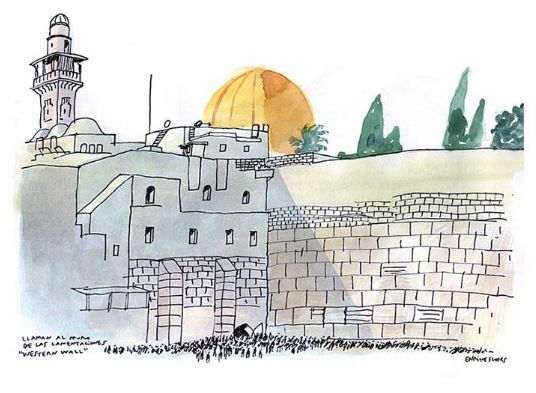
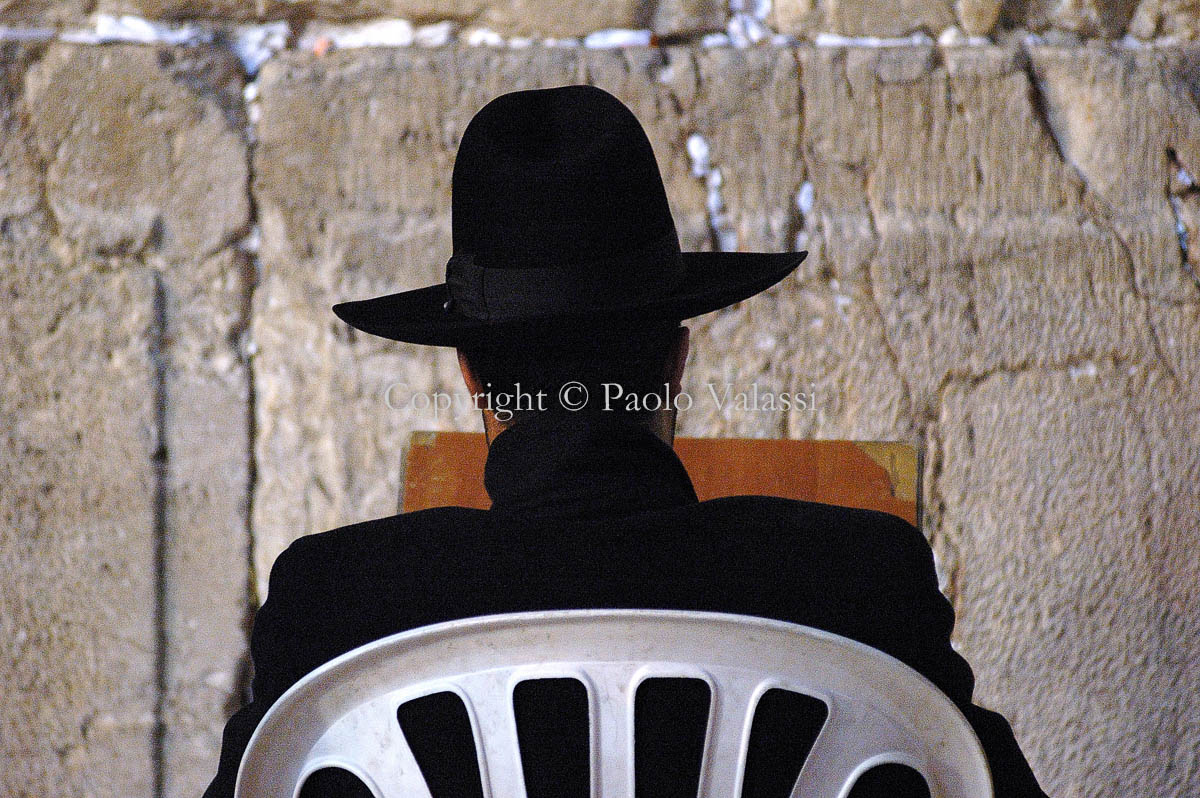
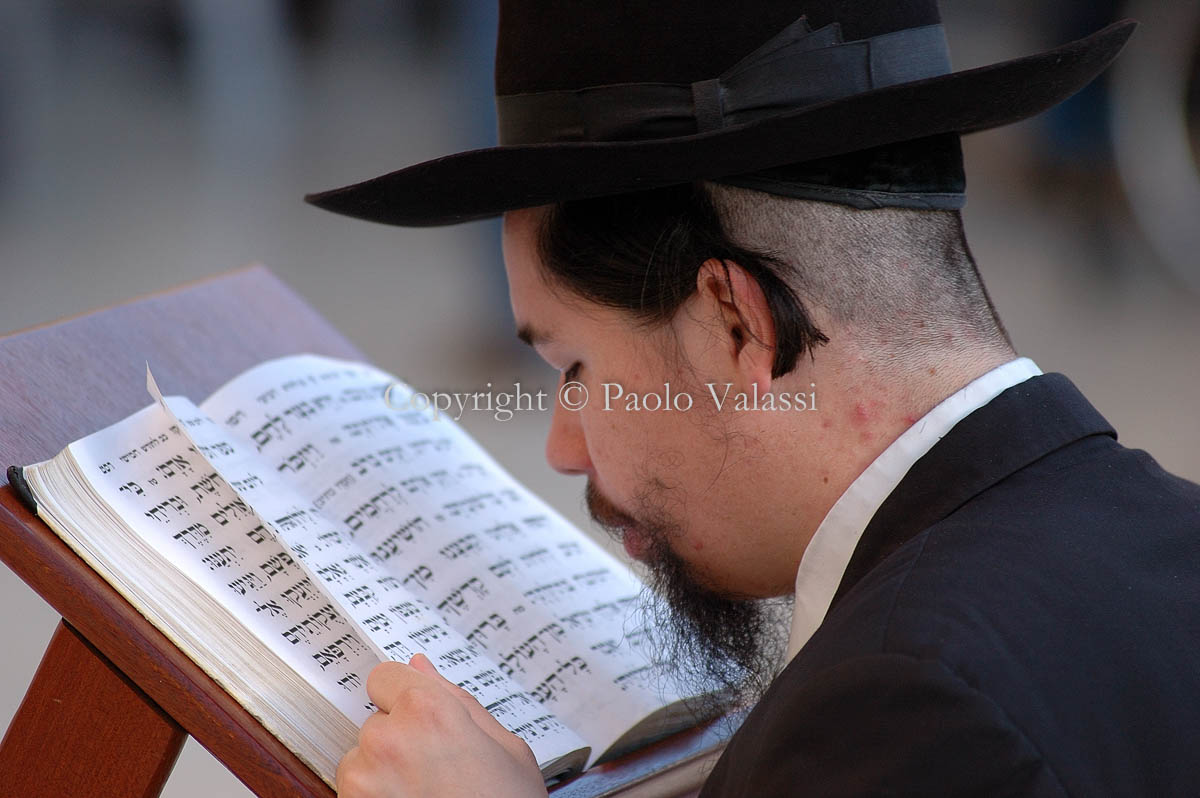
The Western Wall, known in Hebrew as the Kotel and often referred to as the Wailing Wall, is the most significant site of prayer and pilgrimage in the Jewish world. Located in the heart of the Old City of Jerusalem, this ancient limestone structure is not only a historical monument but the spiritual epicenter for millions of people worldwide.
History and Architecture: The Legacy of Herod the Great
The Wall is a massive remnant of the retaining structure built by King Herod the Great during the expansion of the Second Temple in the 1st century BCE.
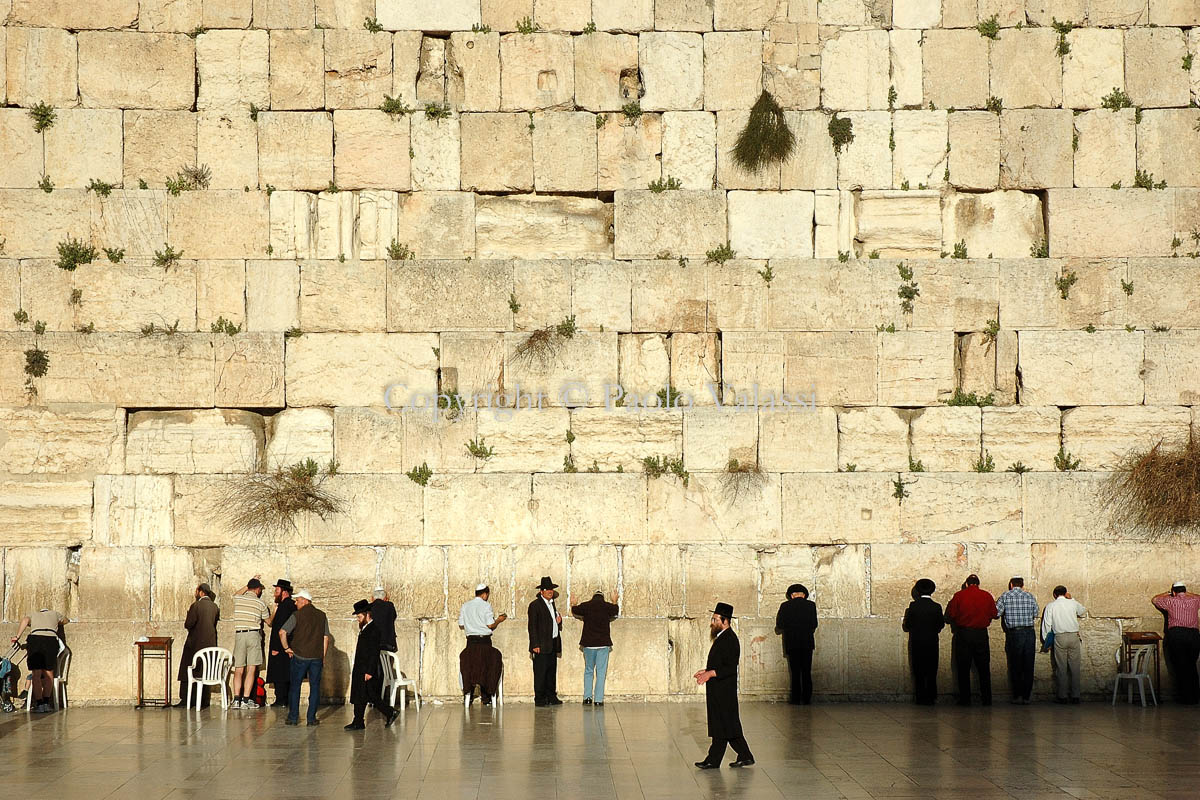
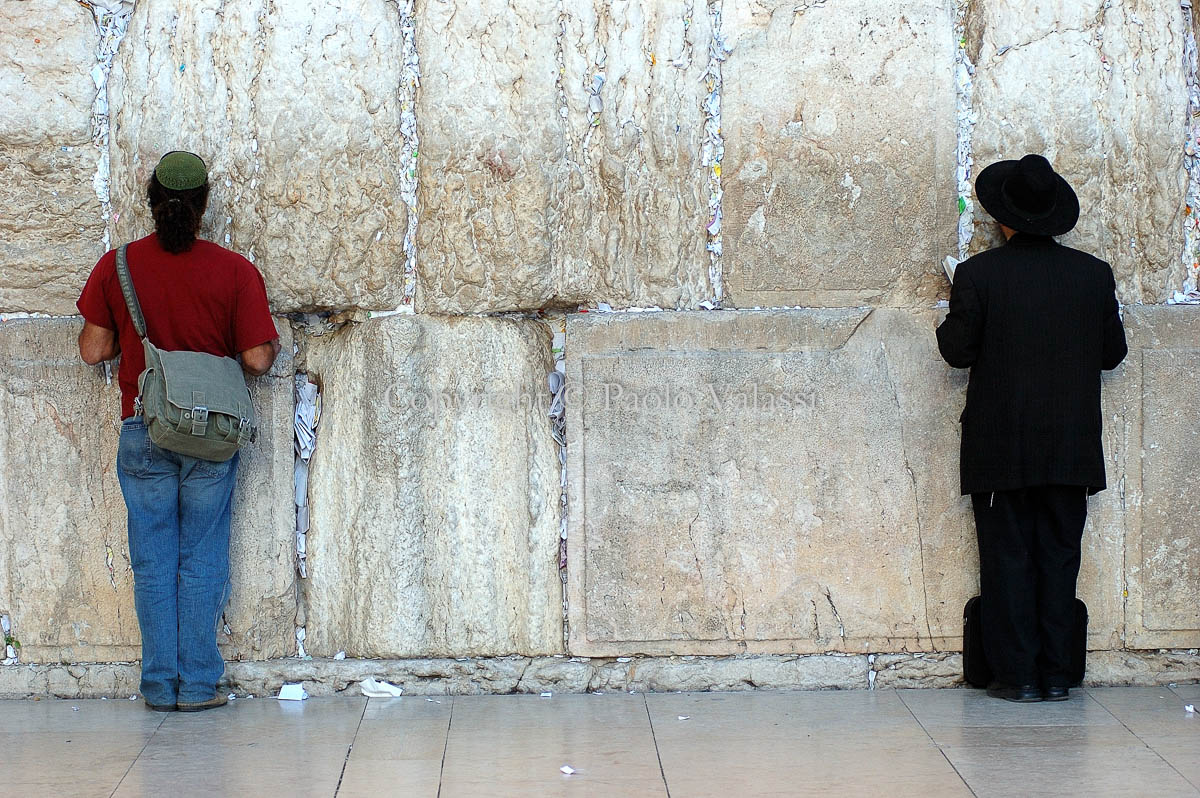
Structure and Materials: Constructed with massive blocks of Jerusalem limestone (Meleke), the visible section of the wall stands approximately 19 meters (62 ft) high. While the prayer plaza section is about 57 meters long, the entire western retaining wall stretches for 488 meters (1,601 ft), much of which is located underground.
Archaeological Survival: Following the Roman destruction of the Temple in 70 CE, this section remained standing, becoming the closest accessible point to the Holy of Holies (Kodesh HaKodashim).
Religious Significance and Traditions
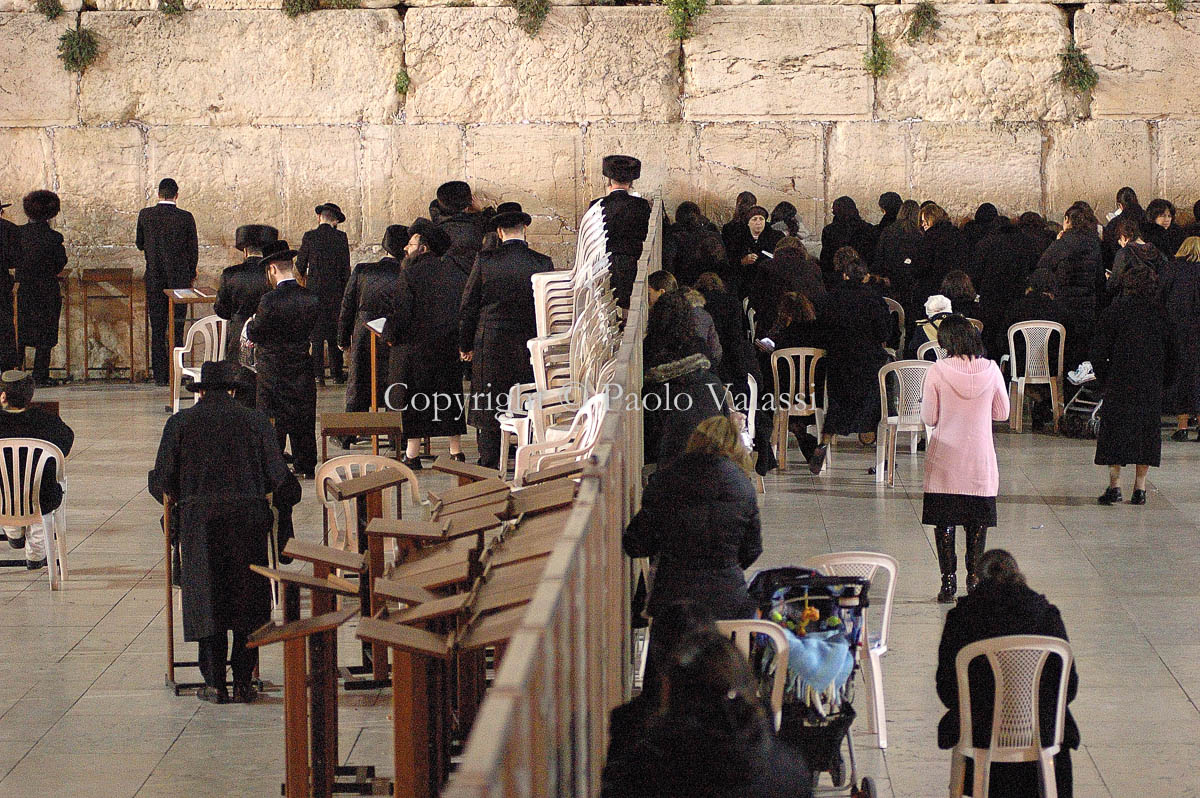
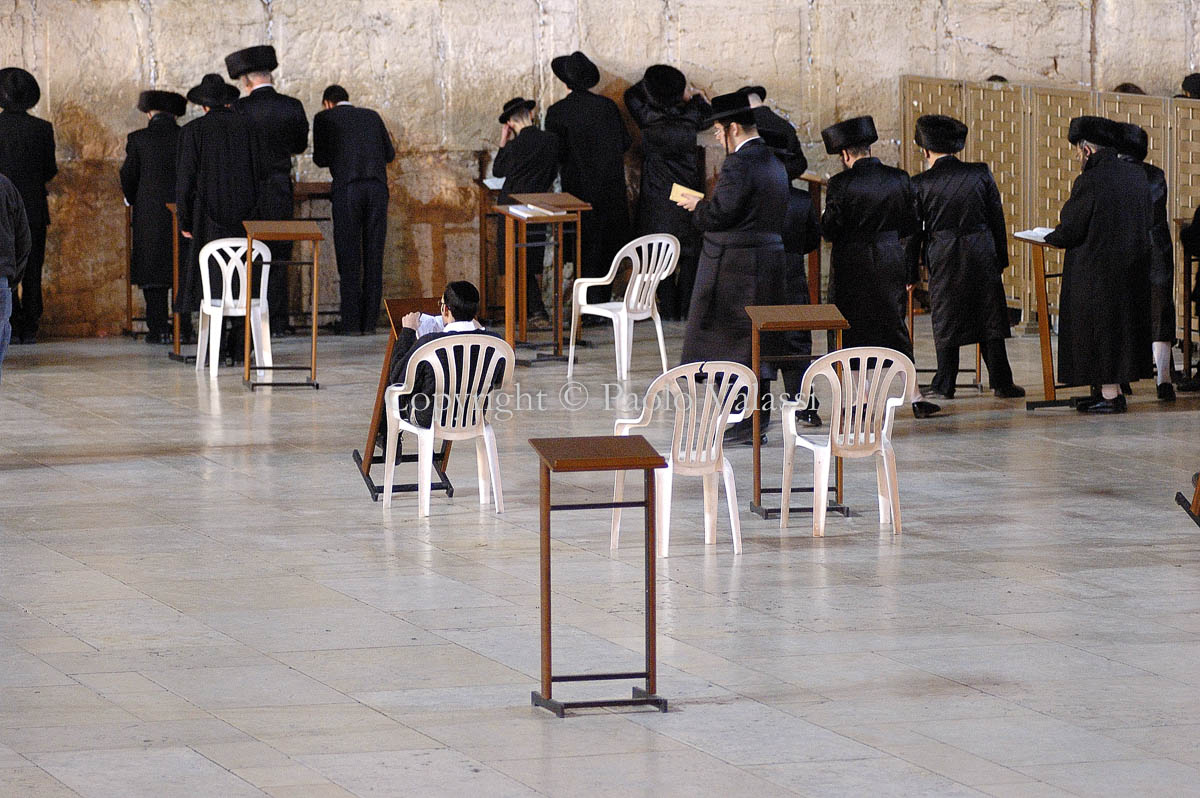
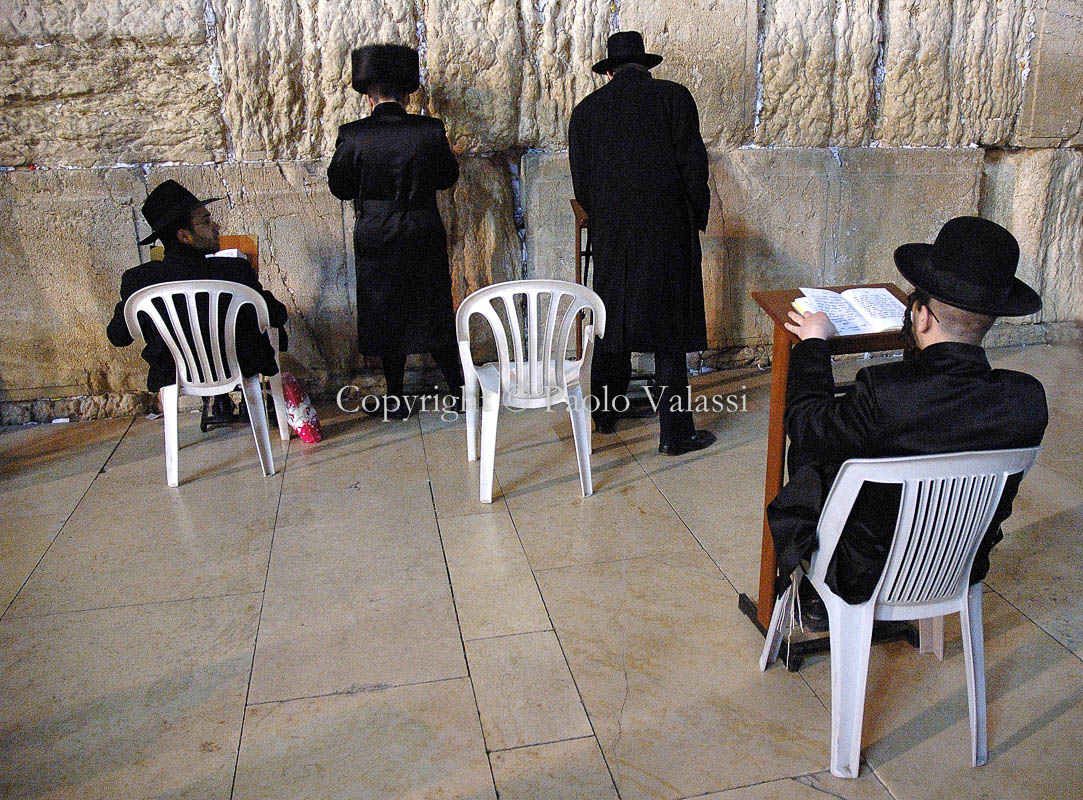
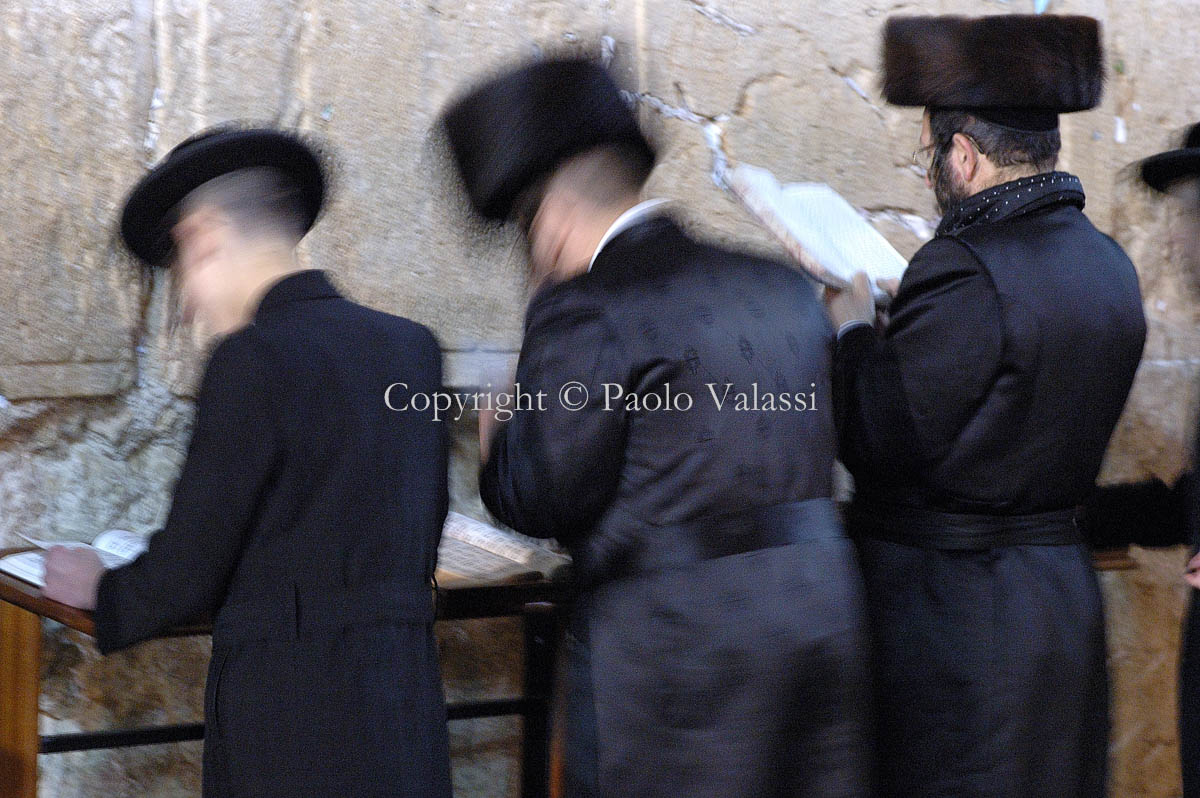
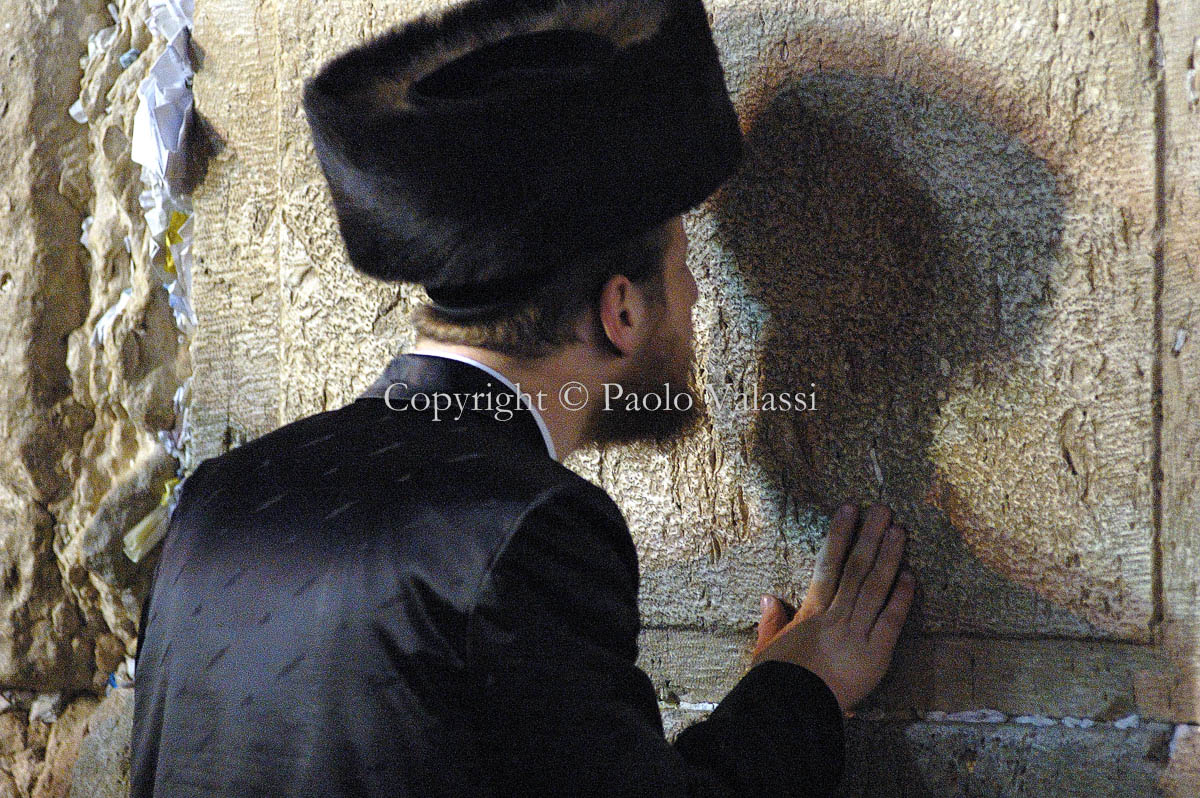
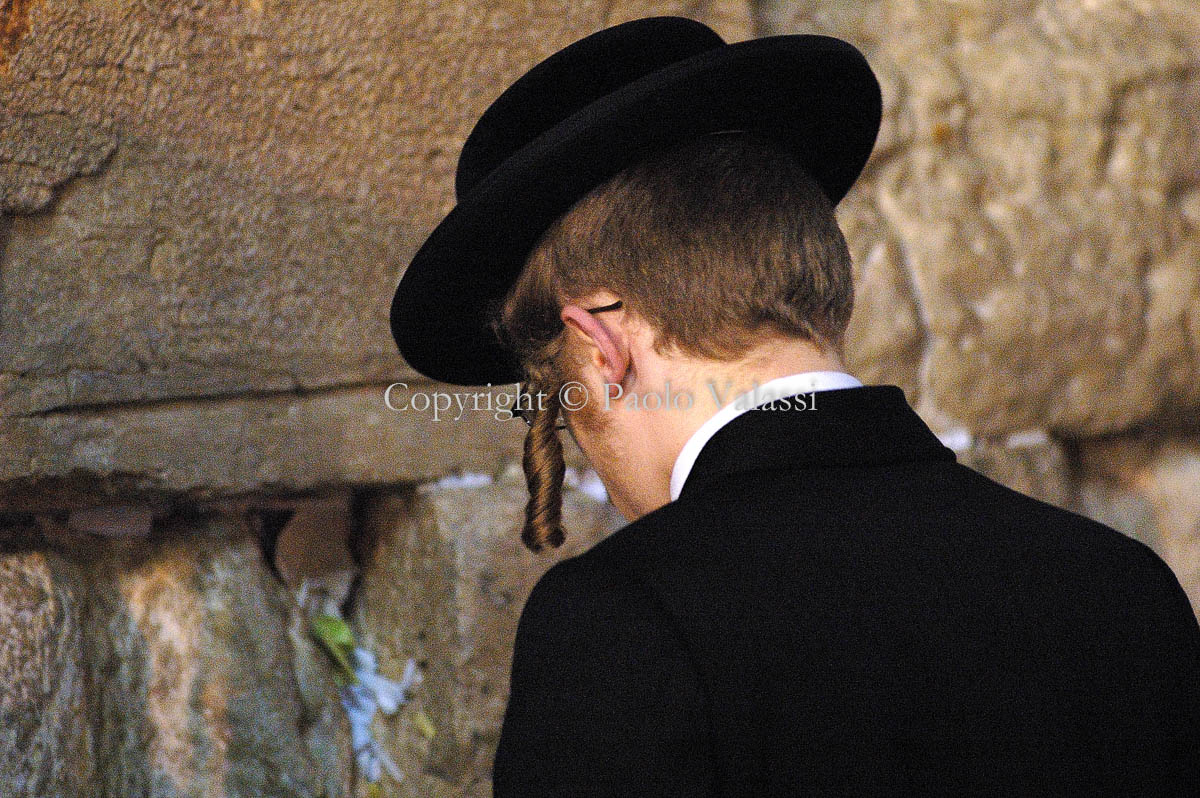
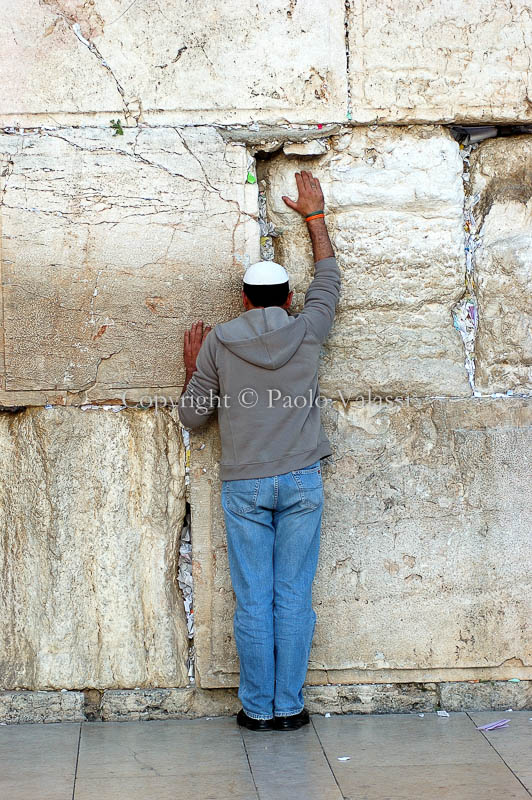
Situated in the Jewish Quarter at the foot of the Temple Mount, the Western Wall is the holiest site where Jews are permitted to pray.
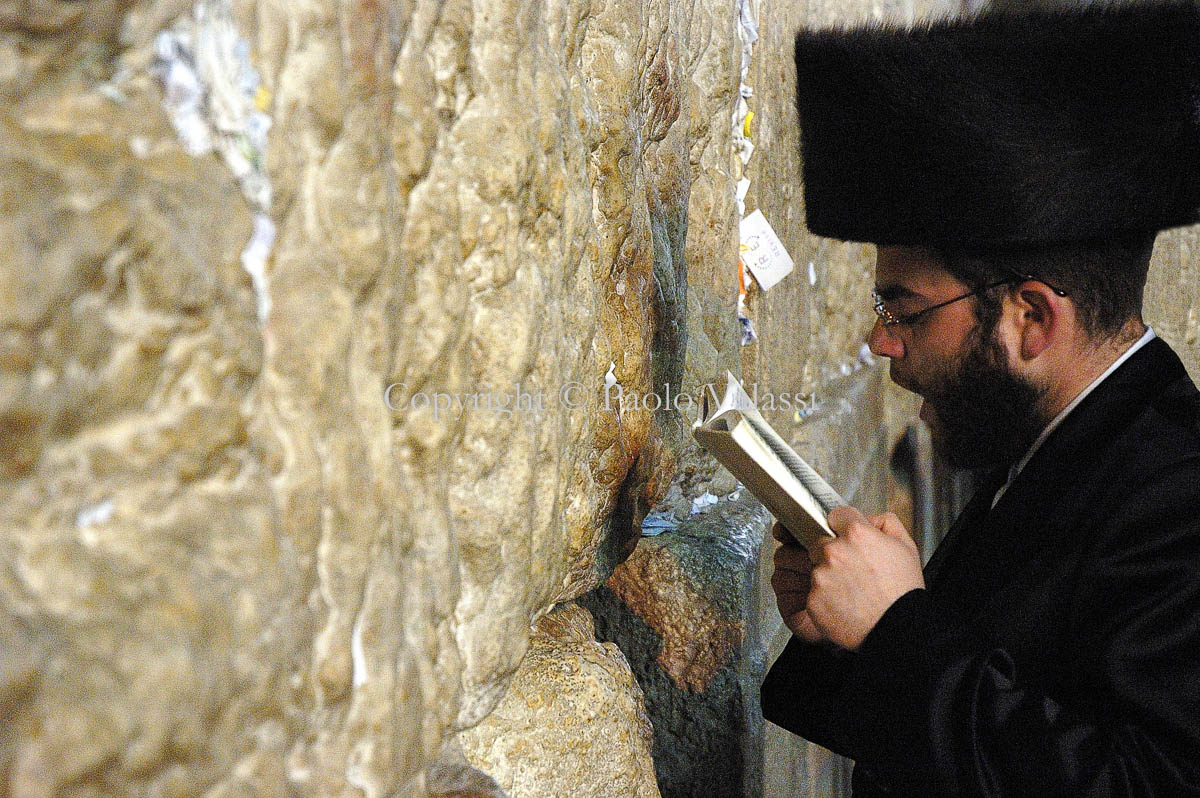
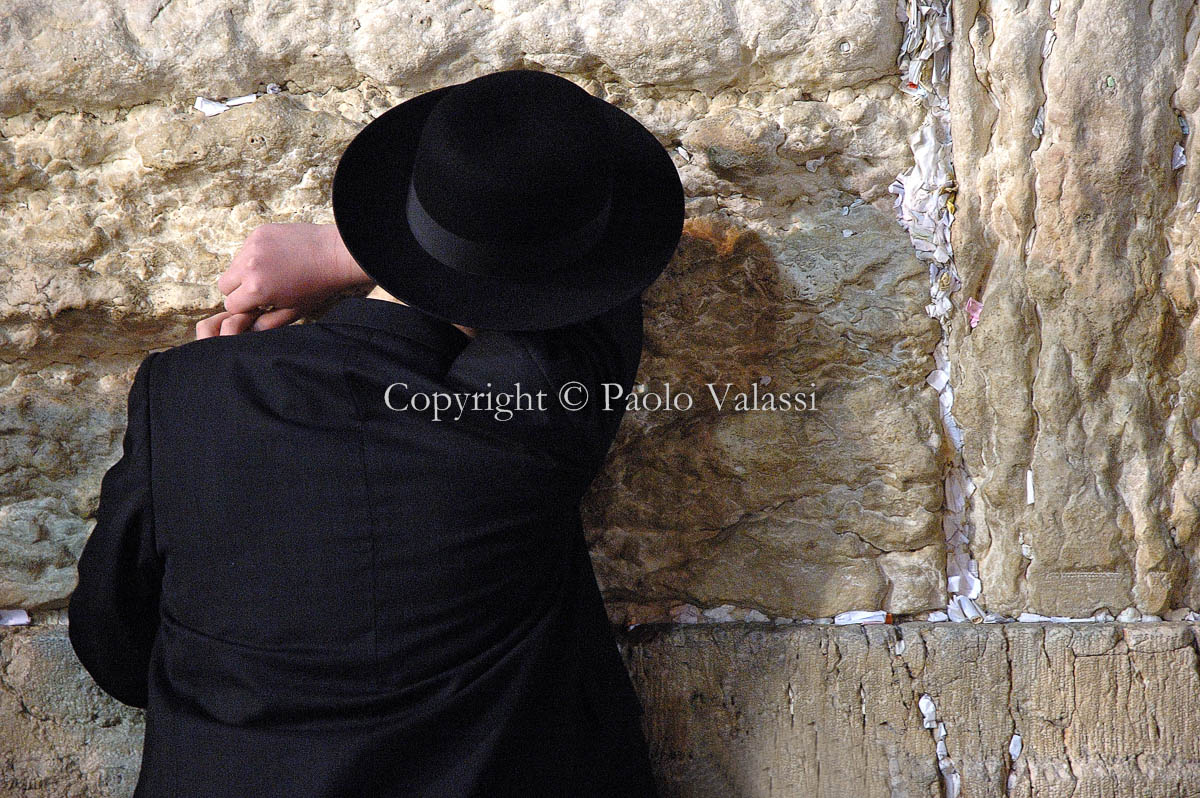
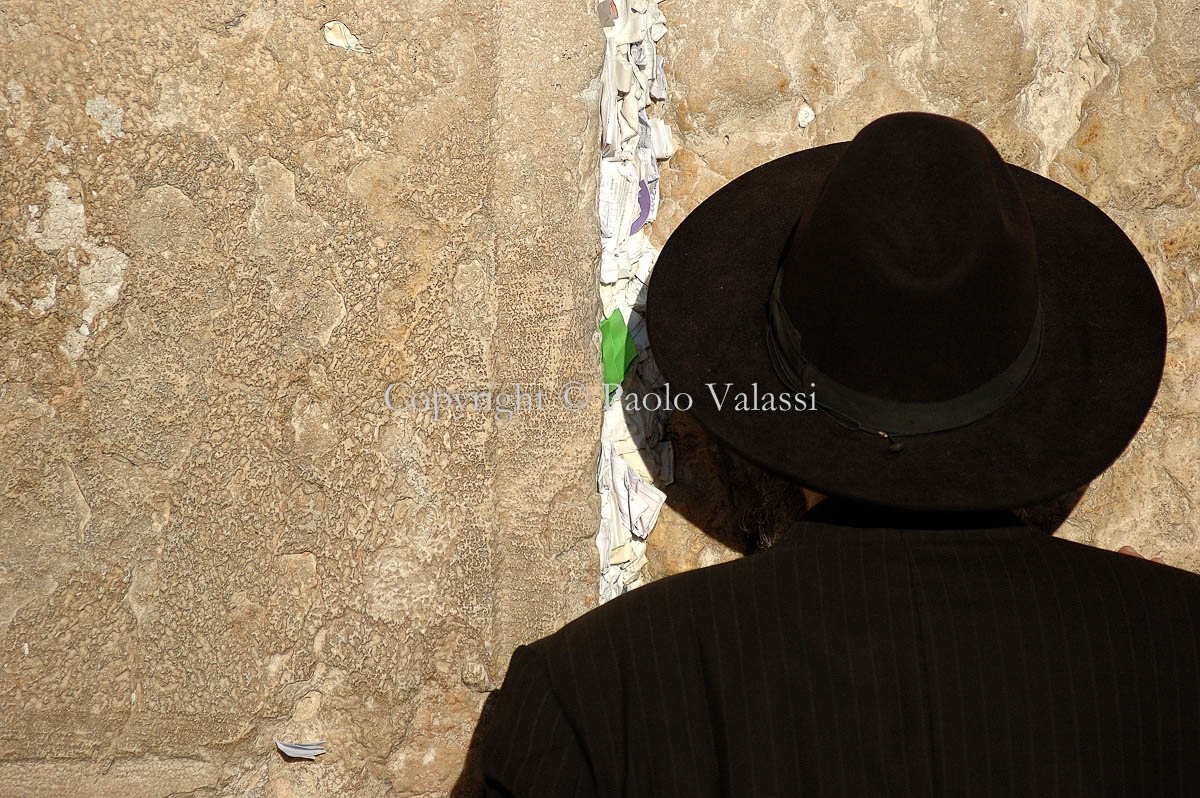
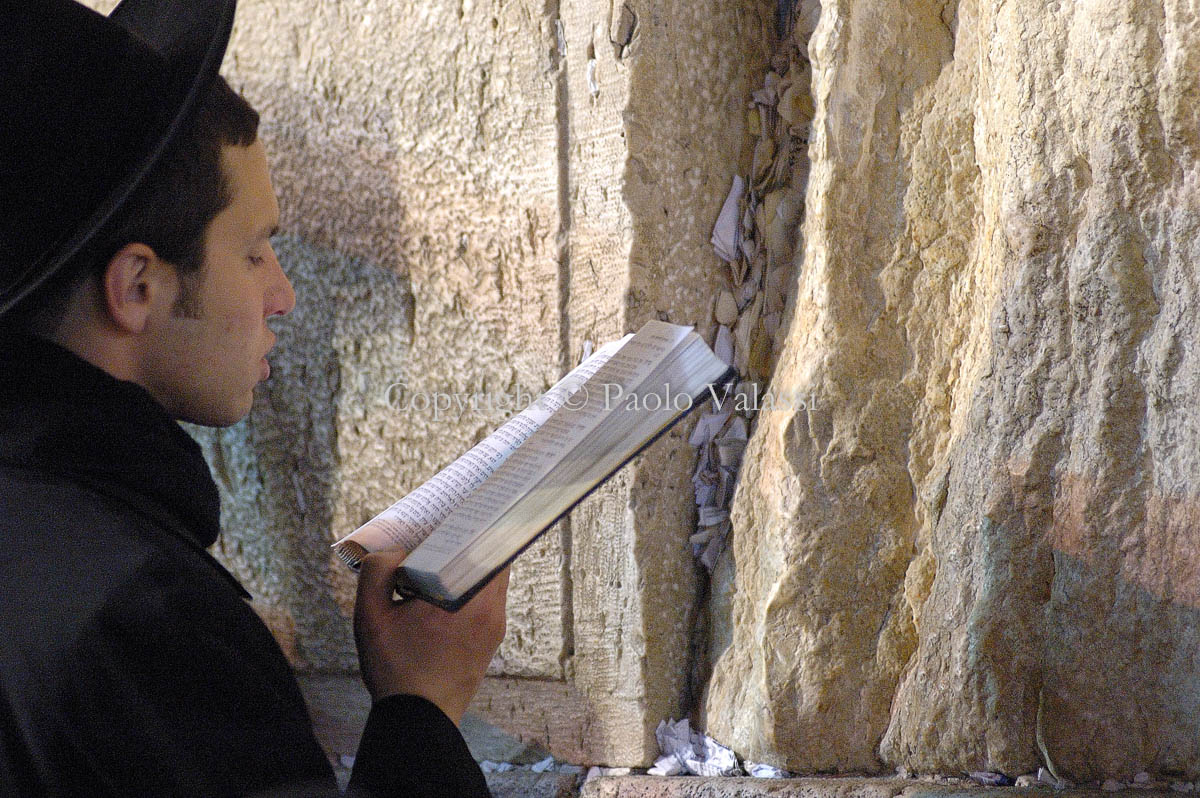
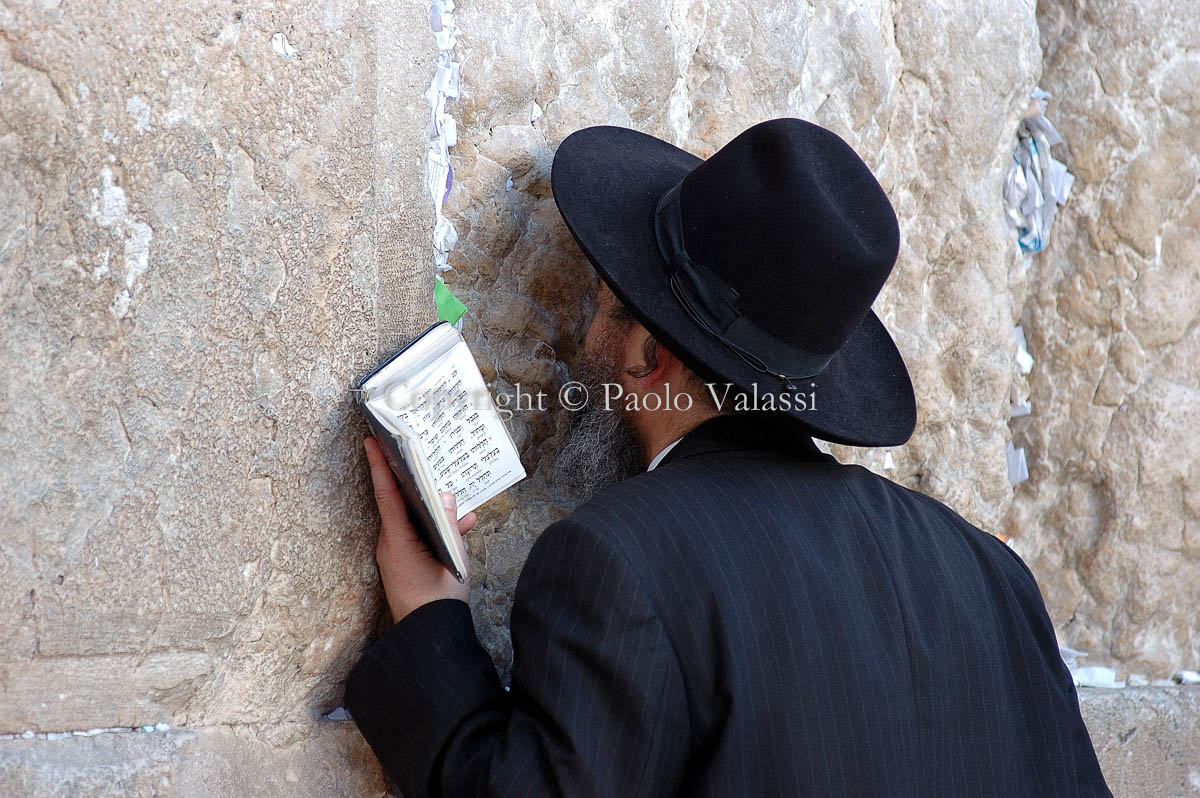
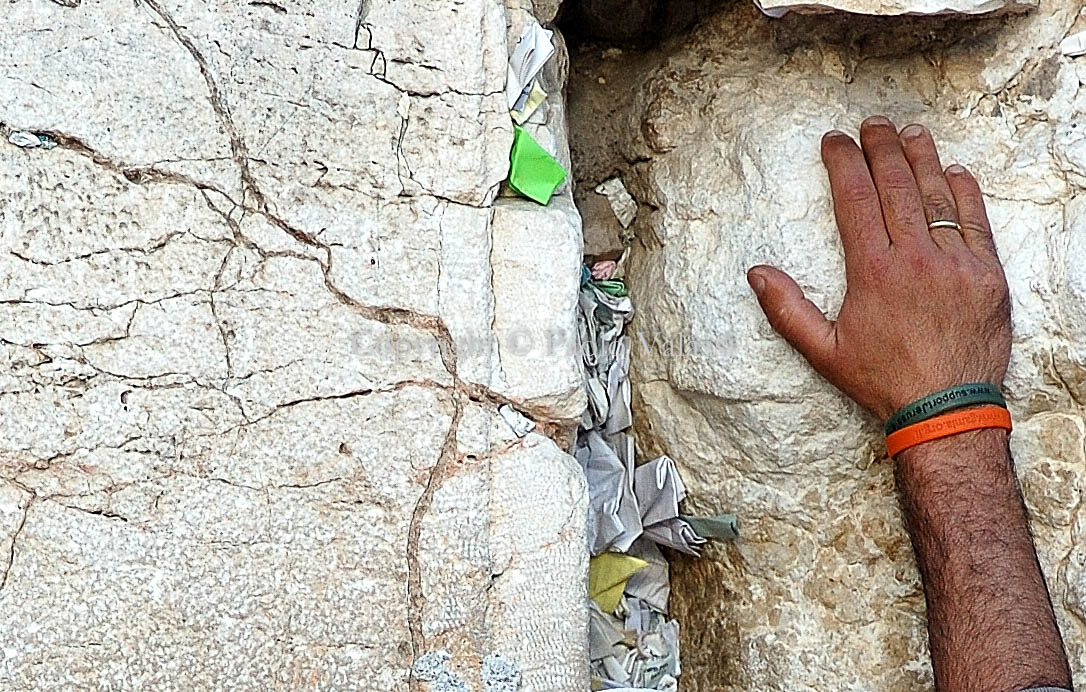
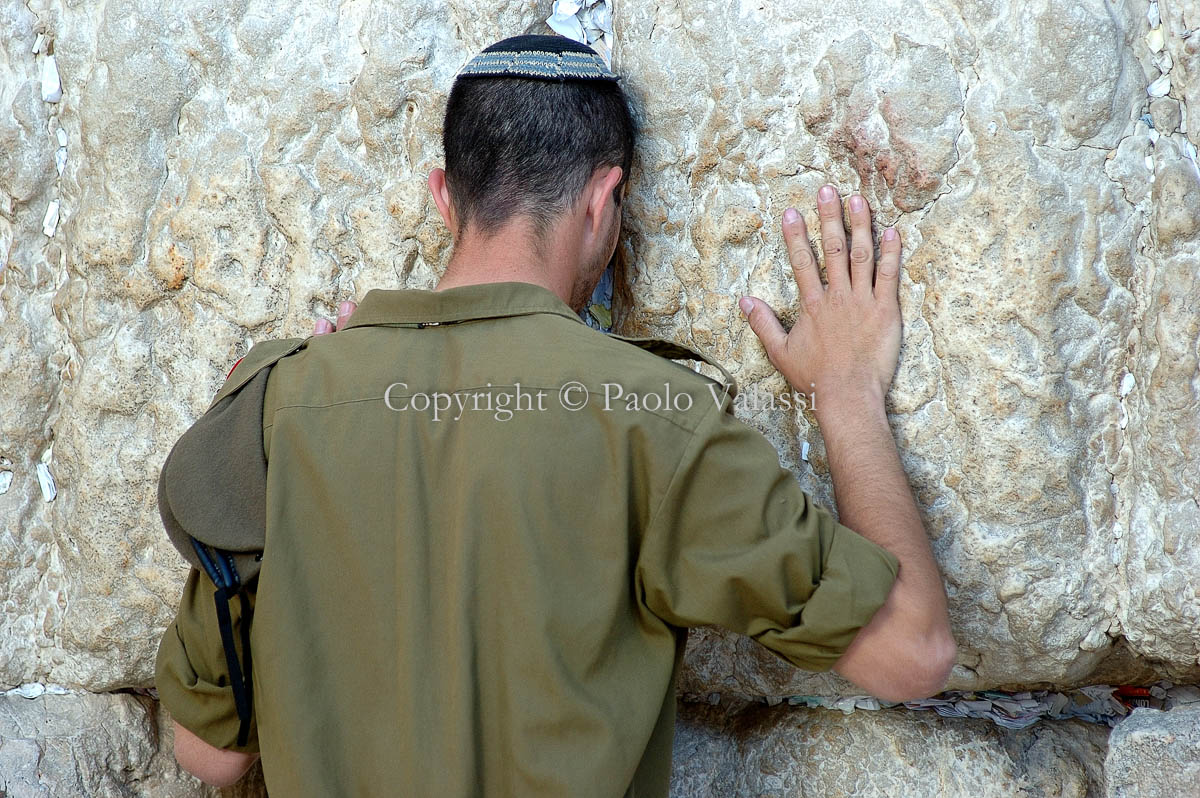
The Tradition of Notes: It is a centuries-old custom for visitors to place small slips of paper containing prayers and petitions into the crevices of the ancient stones.
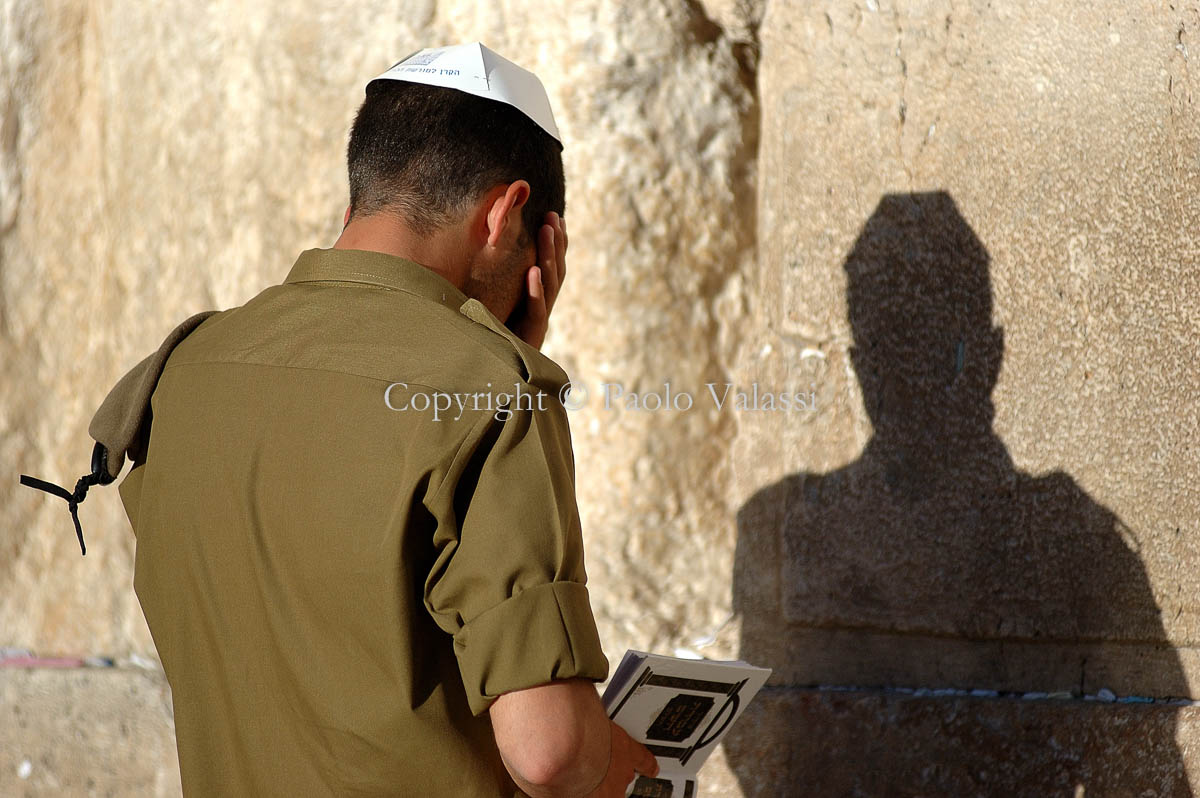
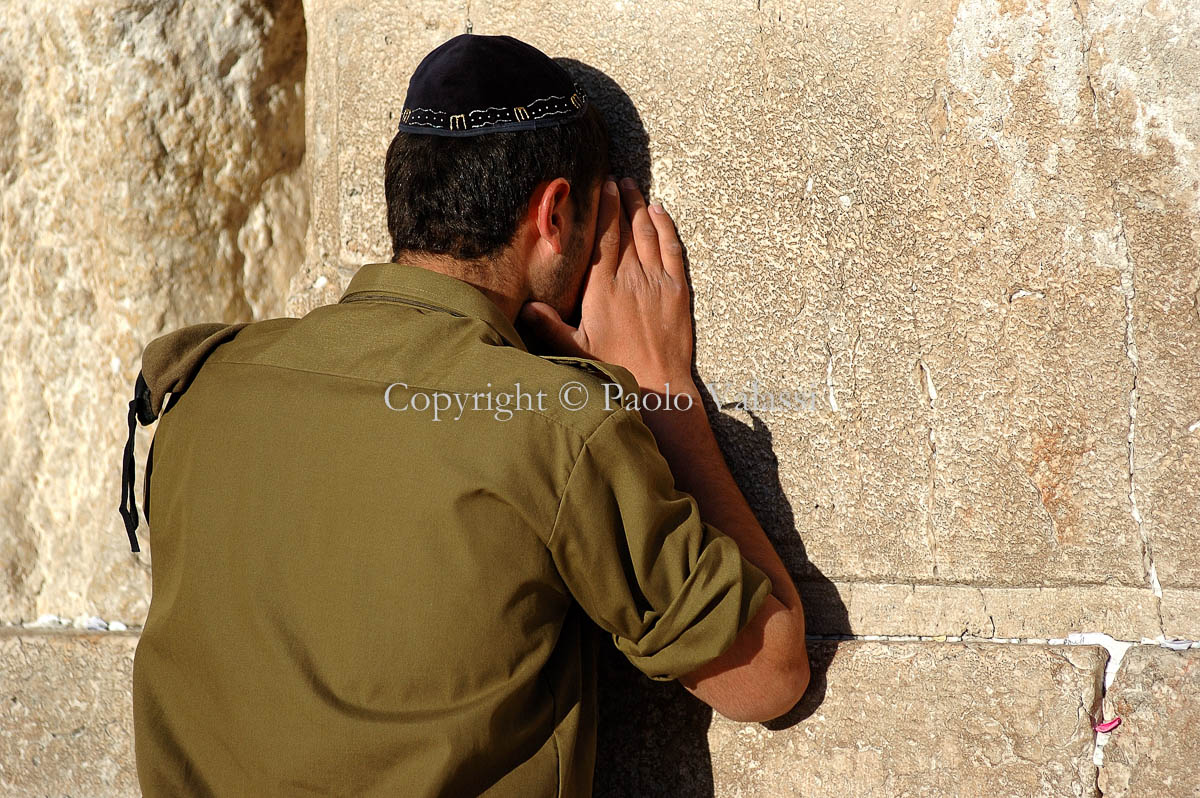
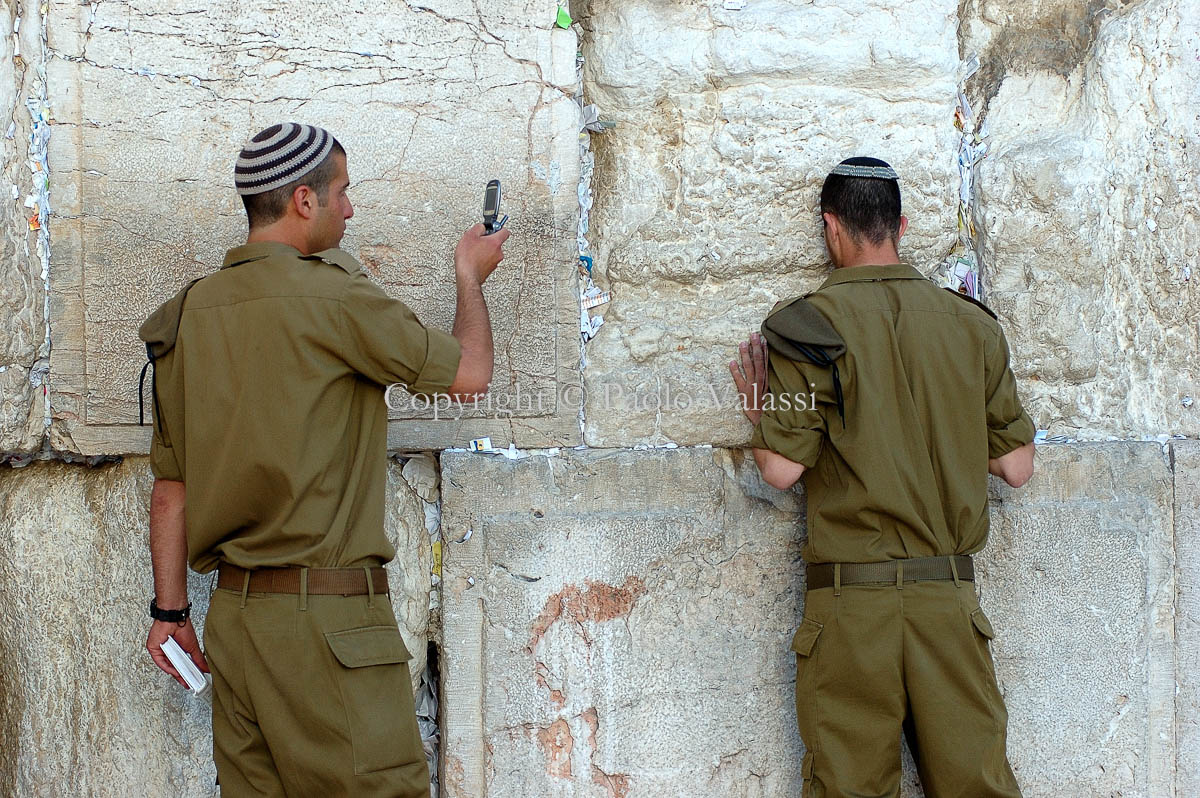
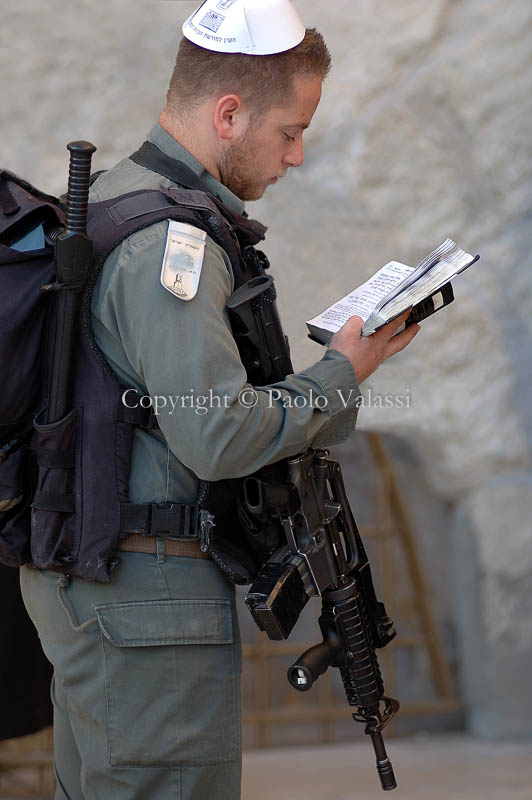
Ceremonies and Events: The plaza serves as a venue for Bar Mitzvahs, military swearing-in ceremonies, and solemn holidays such as Tisha B'Av.
Visiting the Western Wall: Logistics and Tips
As one of the premier tourist destinations in Israel, the site is open to the public 24/7, 365 days a year, with no admission fee.
Western Wall Tunnels: For a deeper historical experience, travelers can book a tour of the underground tunnels to see the hidden sections of the wall and massive foundation stones.
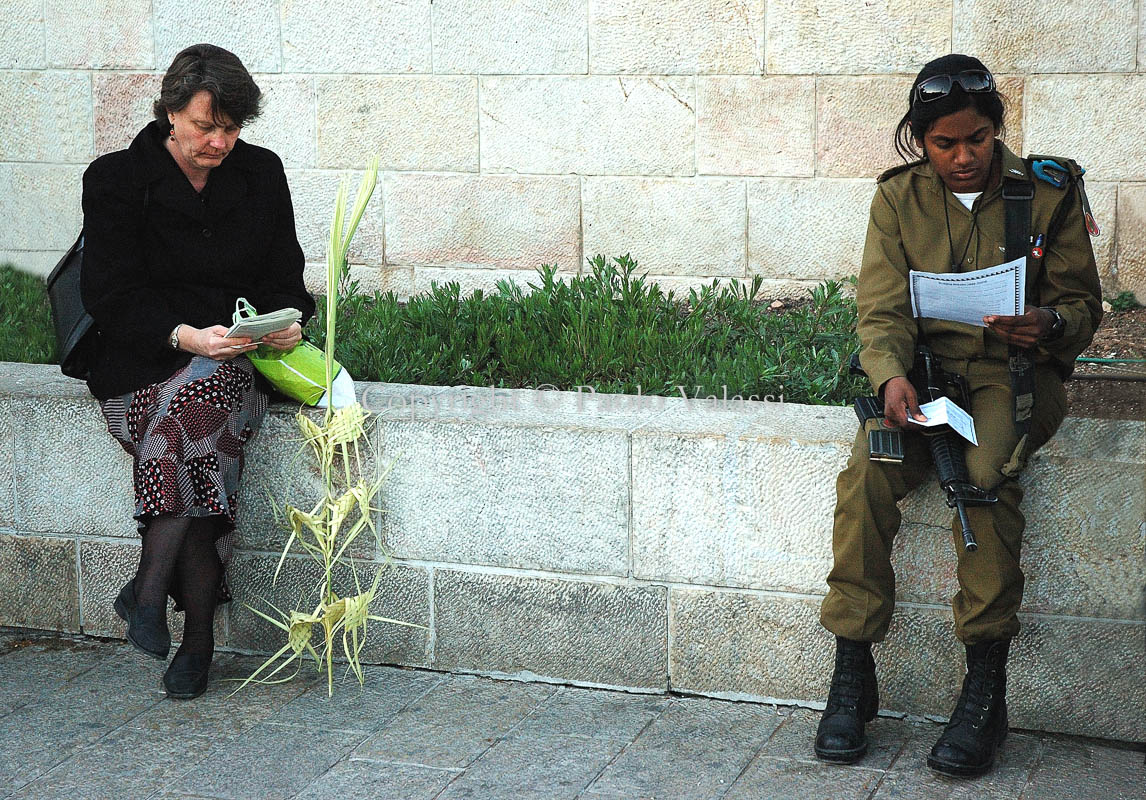
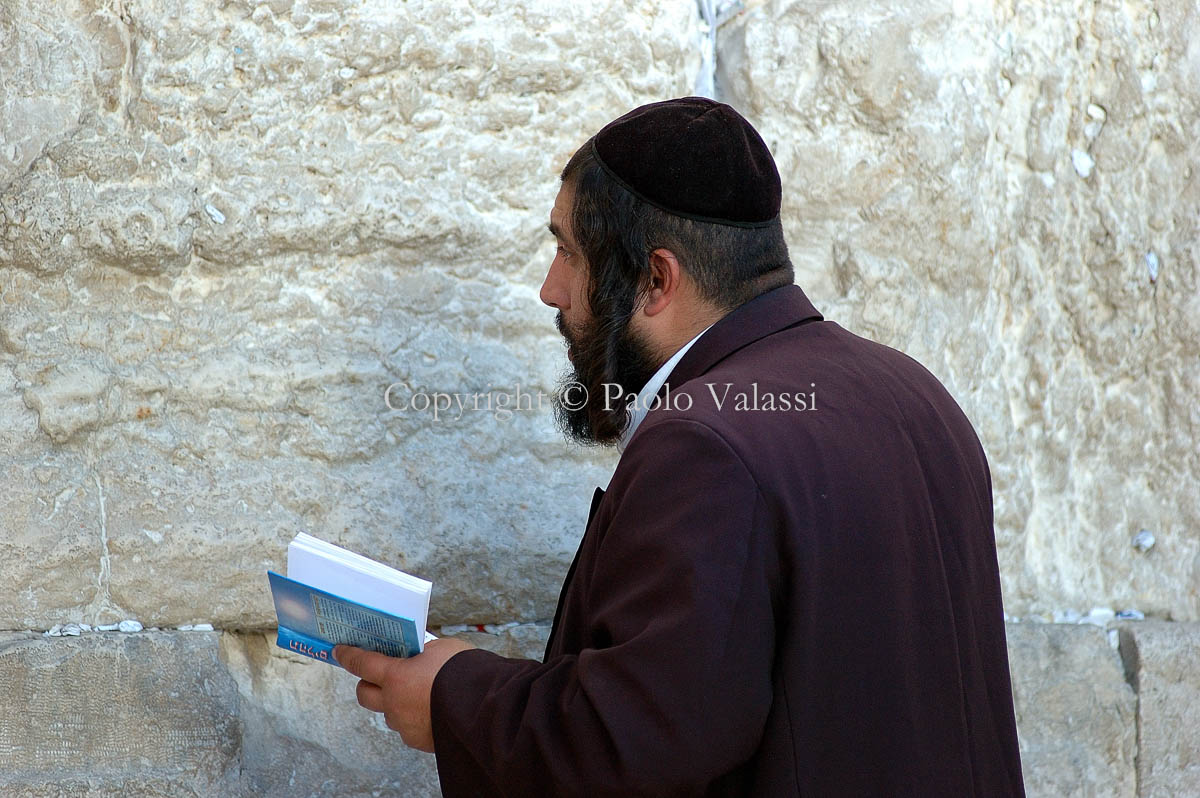
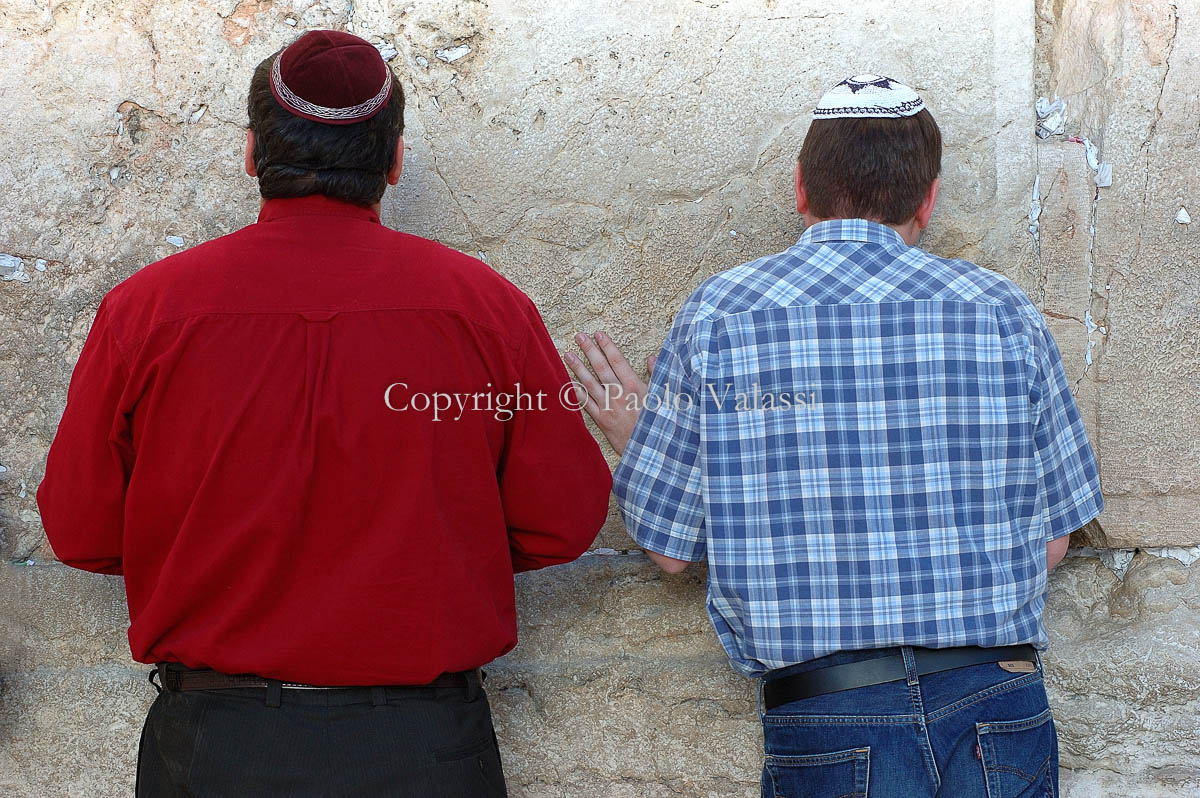
Site Etiquette: As an active place of worship, modest dress is required (shoulders and legs covered). Men are provided with a kippah (head covering) upon entering the prayer area.
Accessibility: The site is most easily reached via the Dung Gate, which is the closest entrance for taxis and public buses serving the Old City.