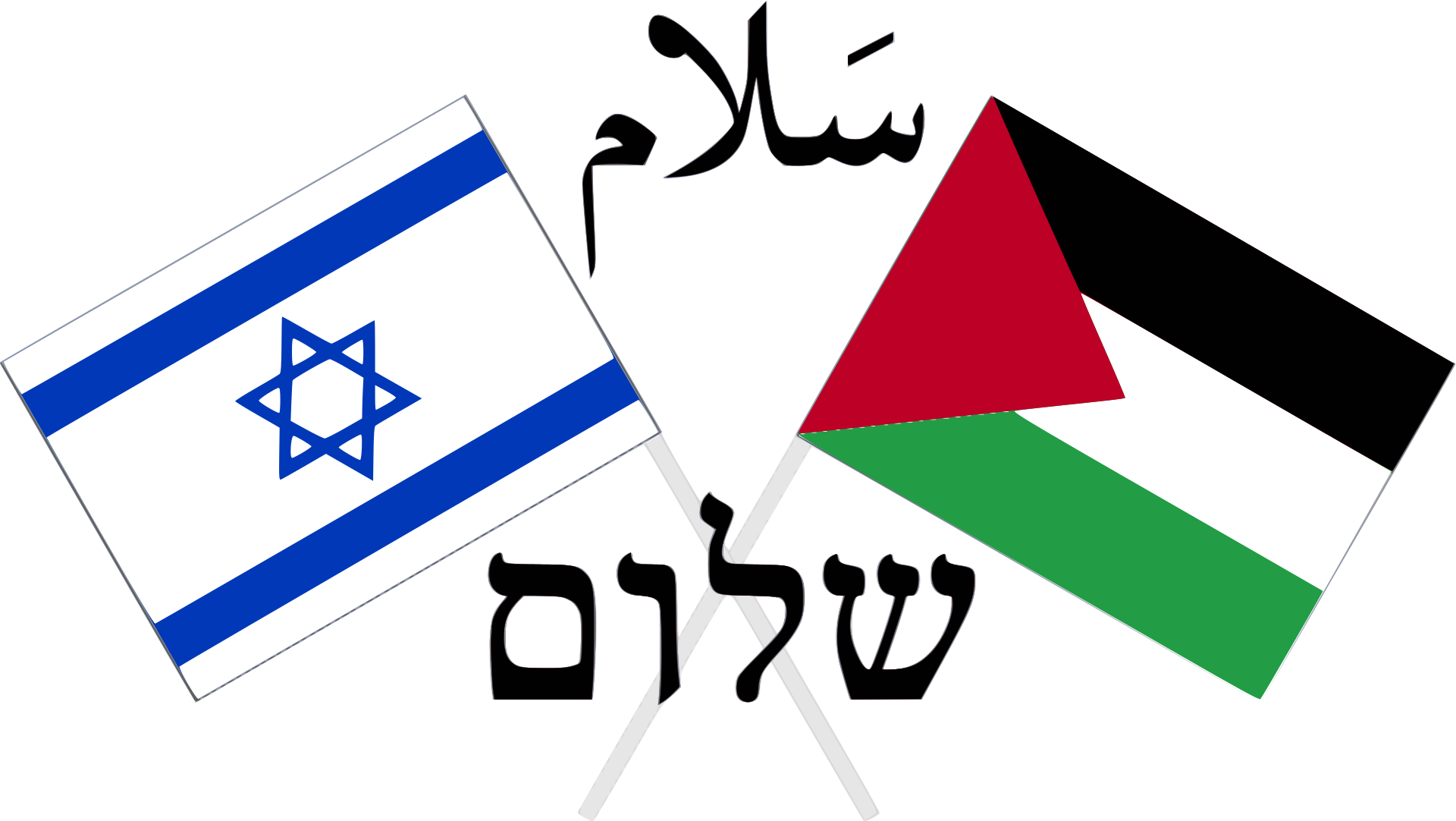
Israel
"In Israel, in order to be a realist, you must believe in miracles".
David Ben-Gurion, Israeli Prime Minister
"In Israel, in order to be a realist, you must believe in miracles".
David Ben-Gurion, Israeli Prime Minister
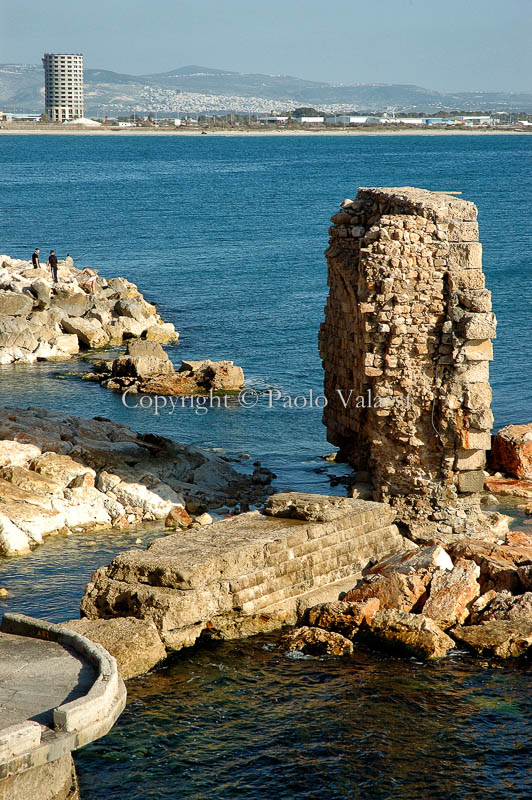
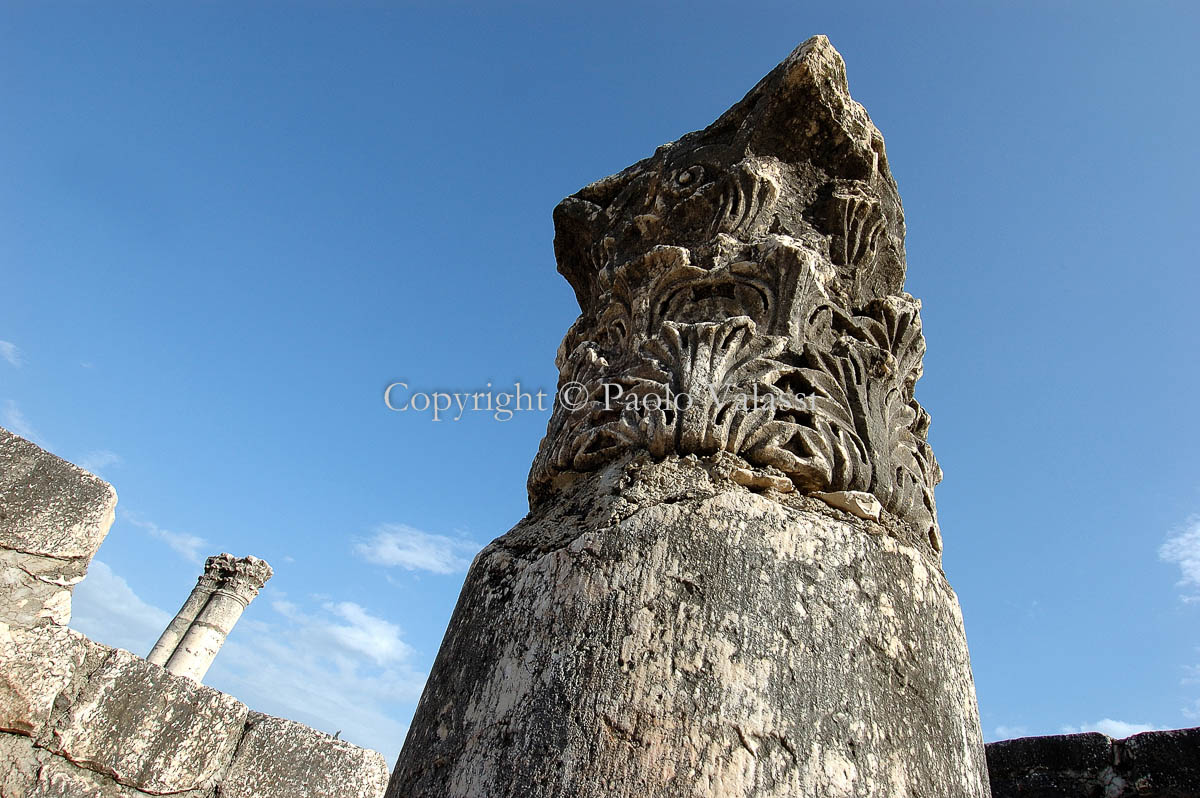
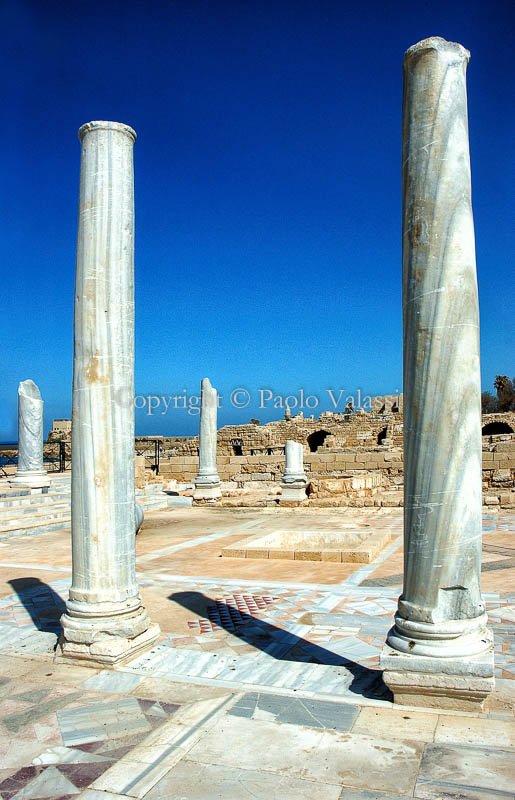
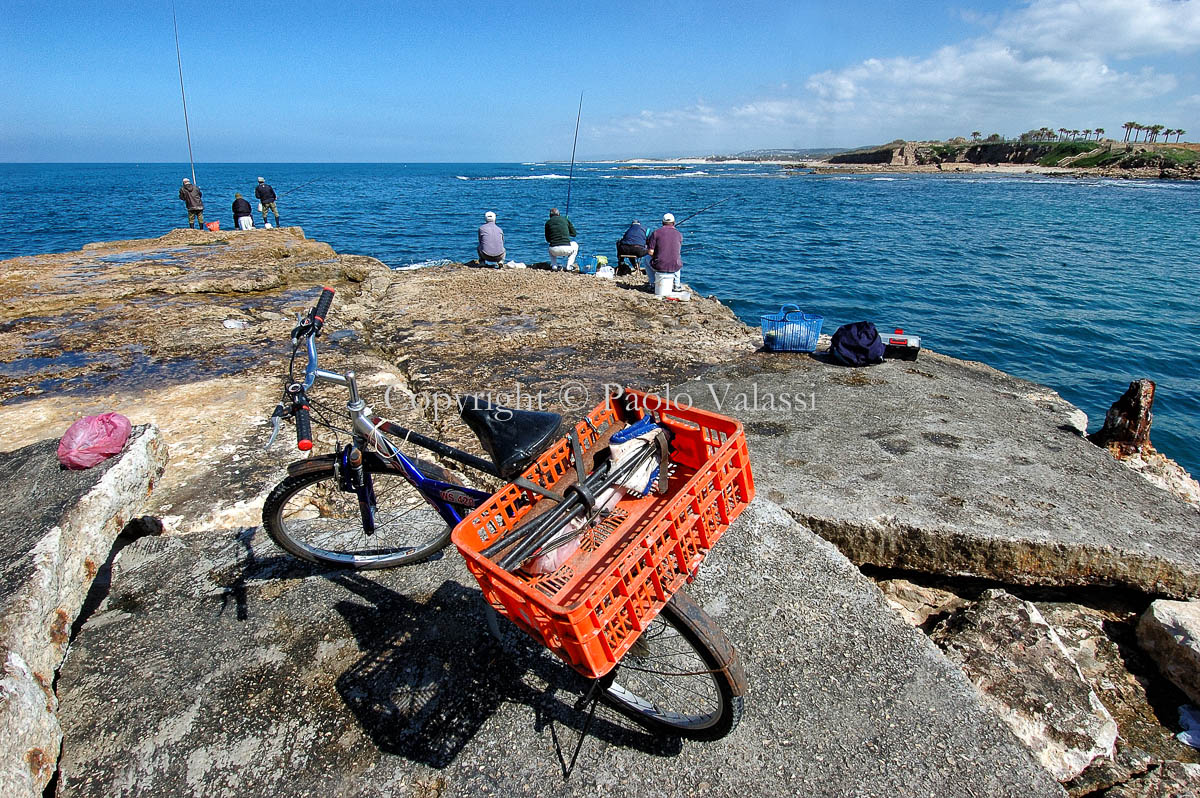
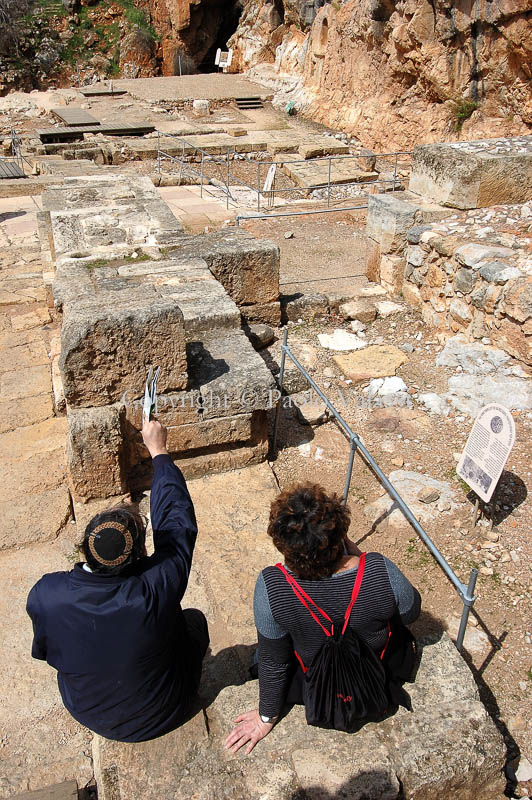
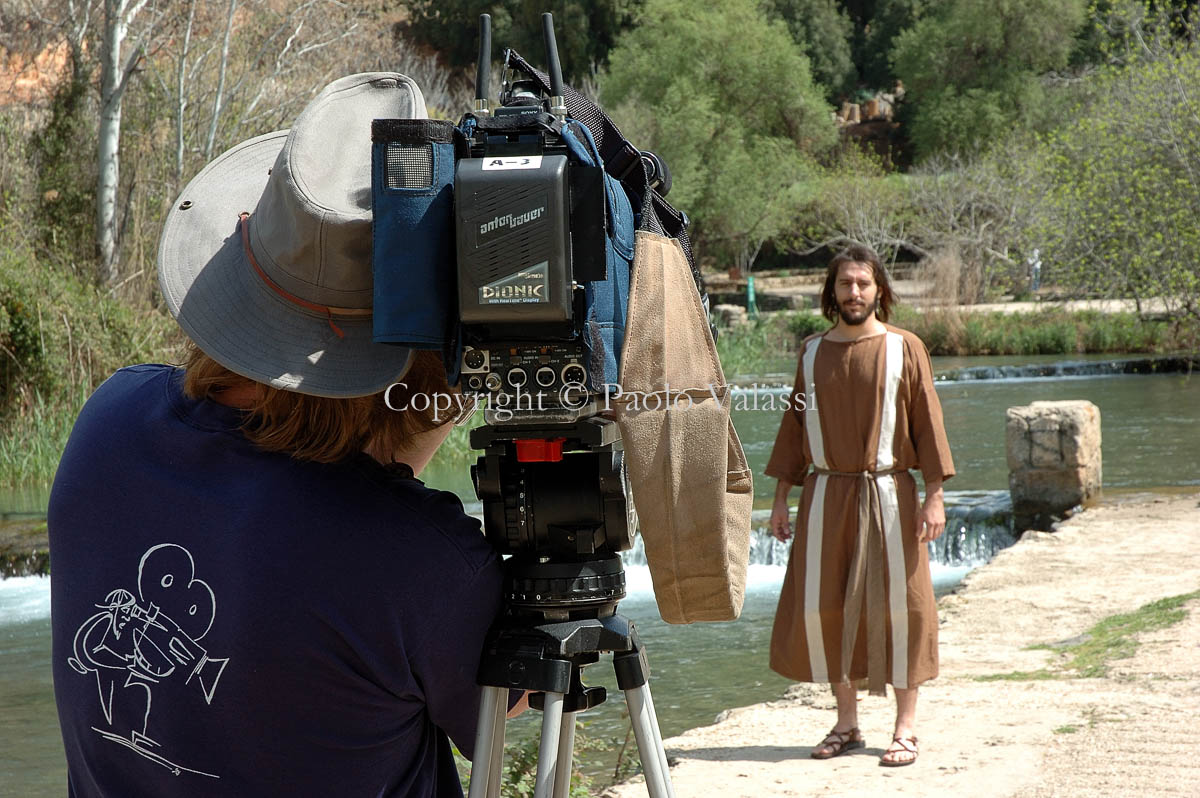
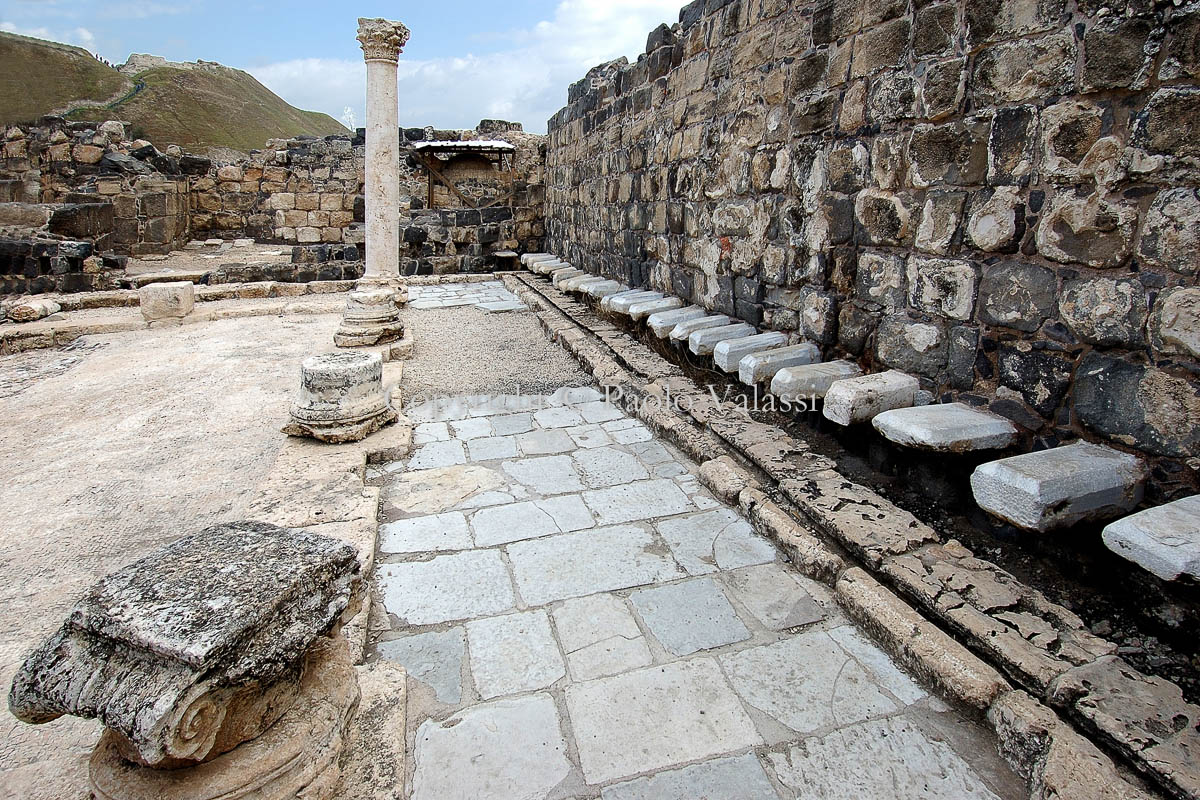

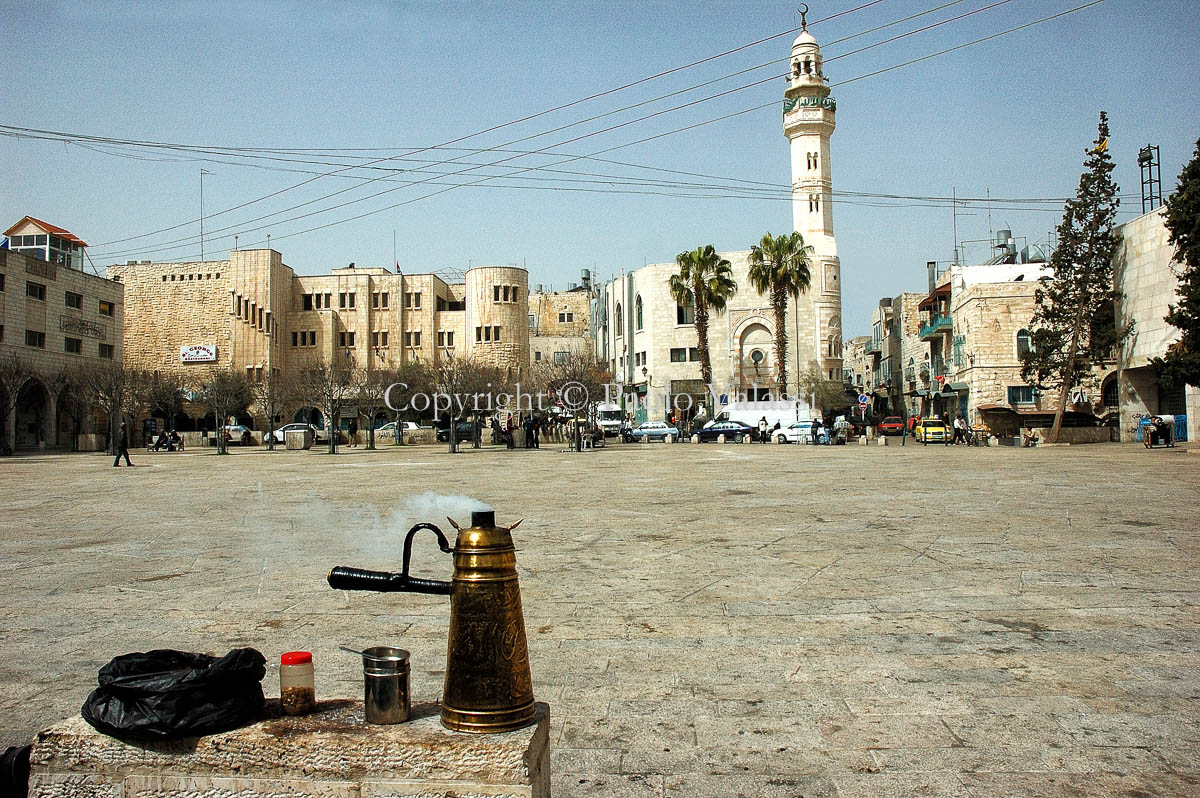
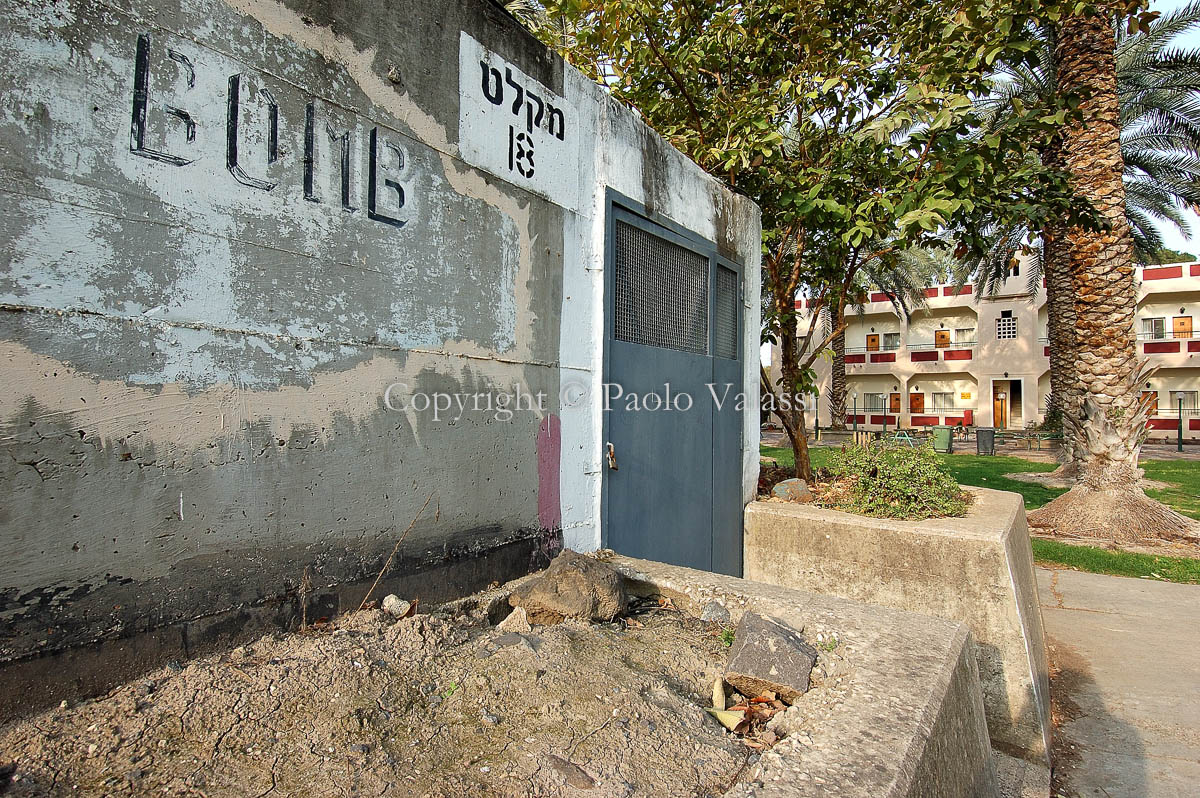

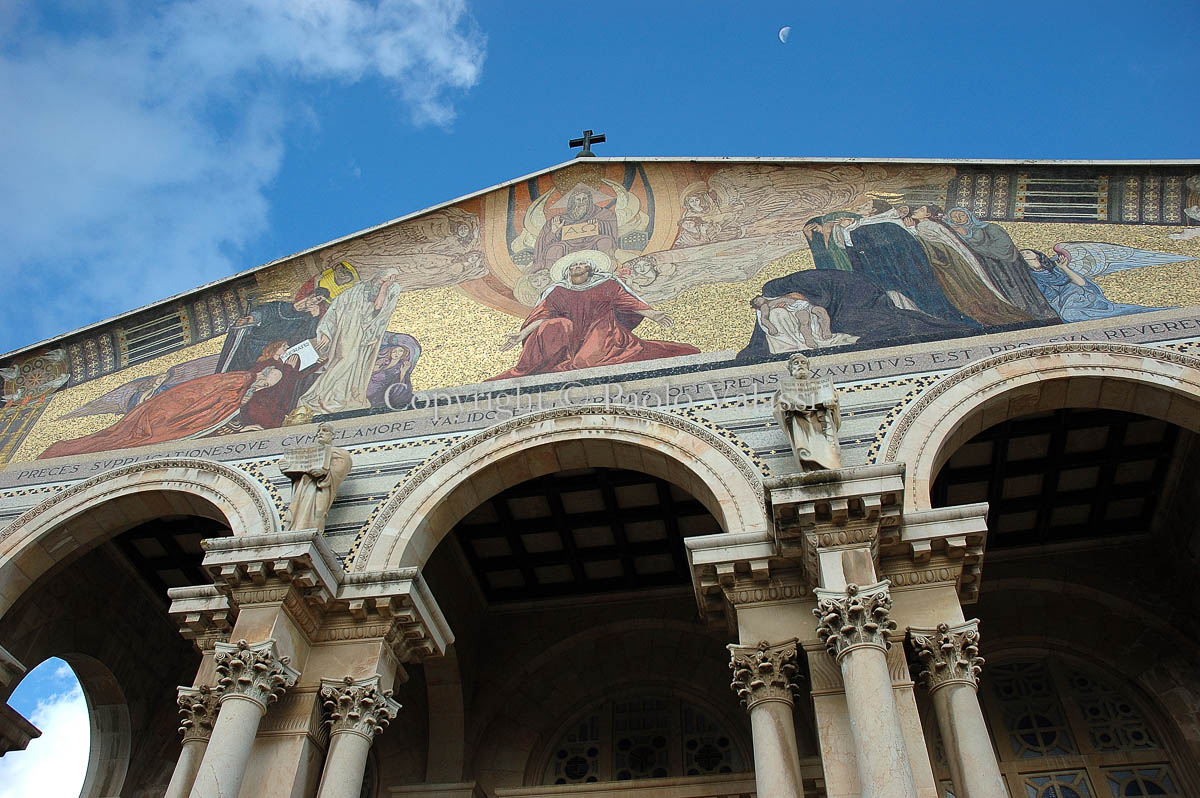
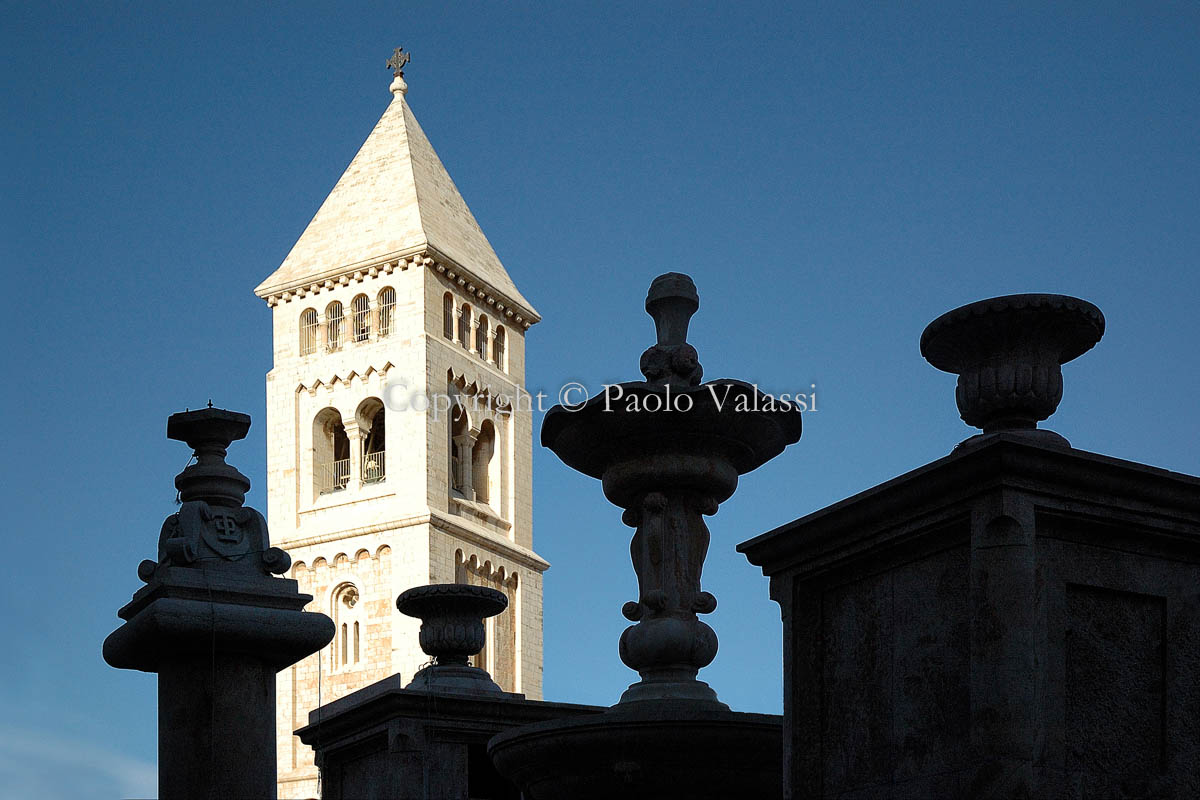

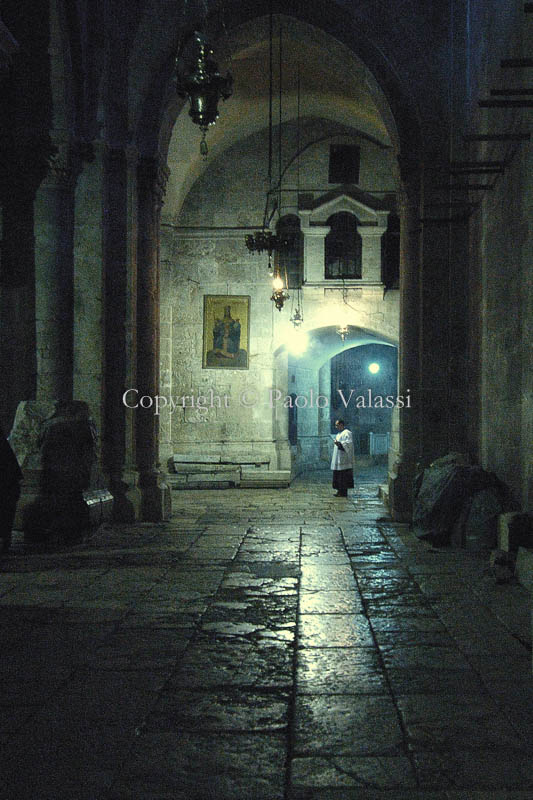
Israel is a land of profound significance, located at the crossroads of the Middle East on the eastern shores of the Mediterranean Sea. Despite its small size, it offers a breathtaking contrast of ancient ruins, high-tech modern cities, and diverse natural landscapes.
For millennia, this land has been a bridge between empires. Its rich historical tapestry includes the legacies of the Canaanites, Israelites, Romans, Arabs, and Ottomans. This heritage is preserved in world-class archaeological sites found across the country, from the northern hills to the southern sands.
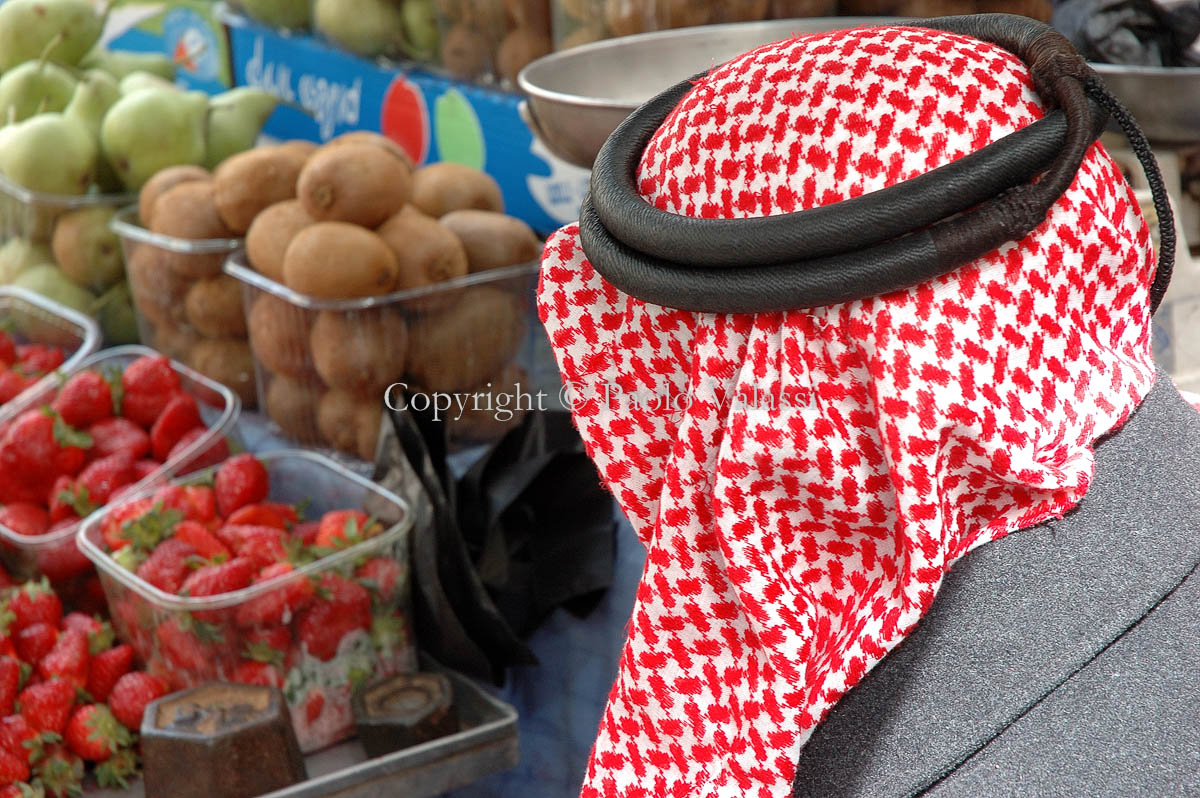
Today, Israel is a vibrant cultural melting pot. Its diverse population brings influences from across the globe, creating a unique fusion of Mediterranean and Middle Eastern flavors in its cuisine, art, and music.
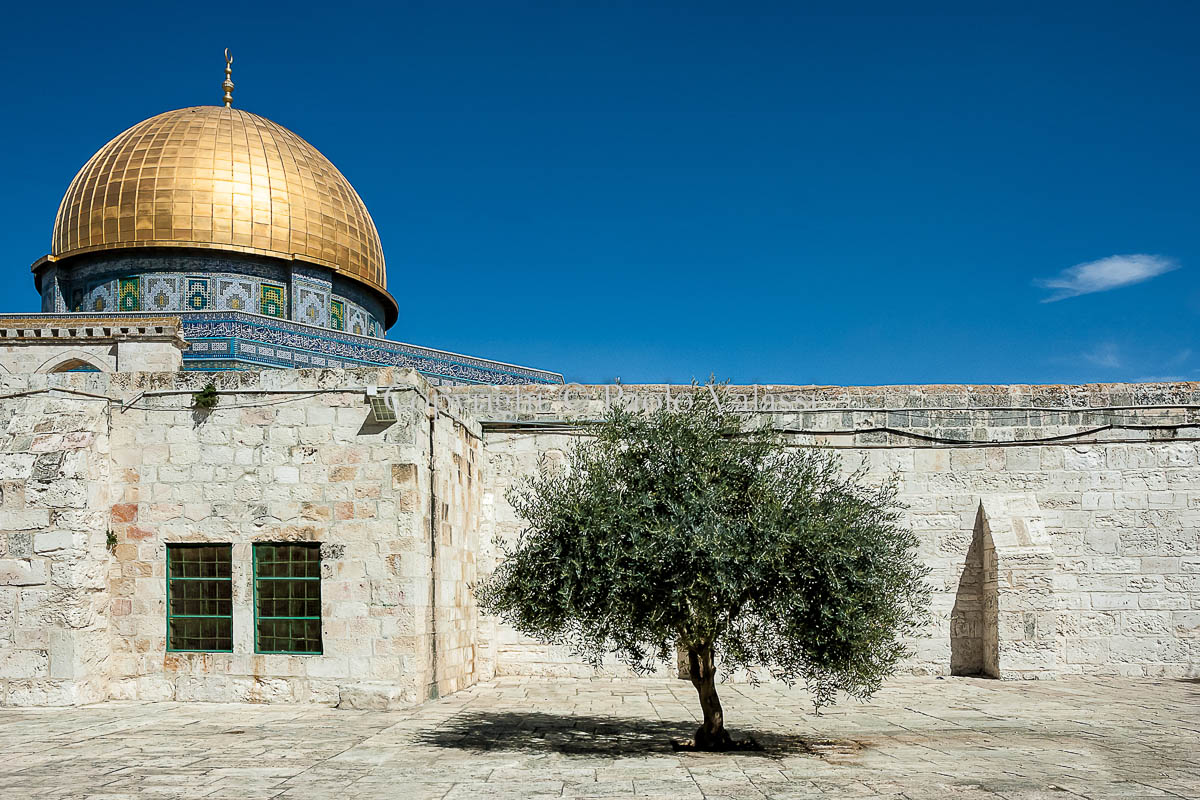
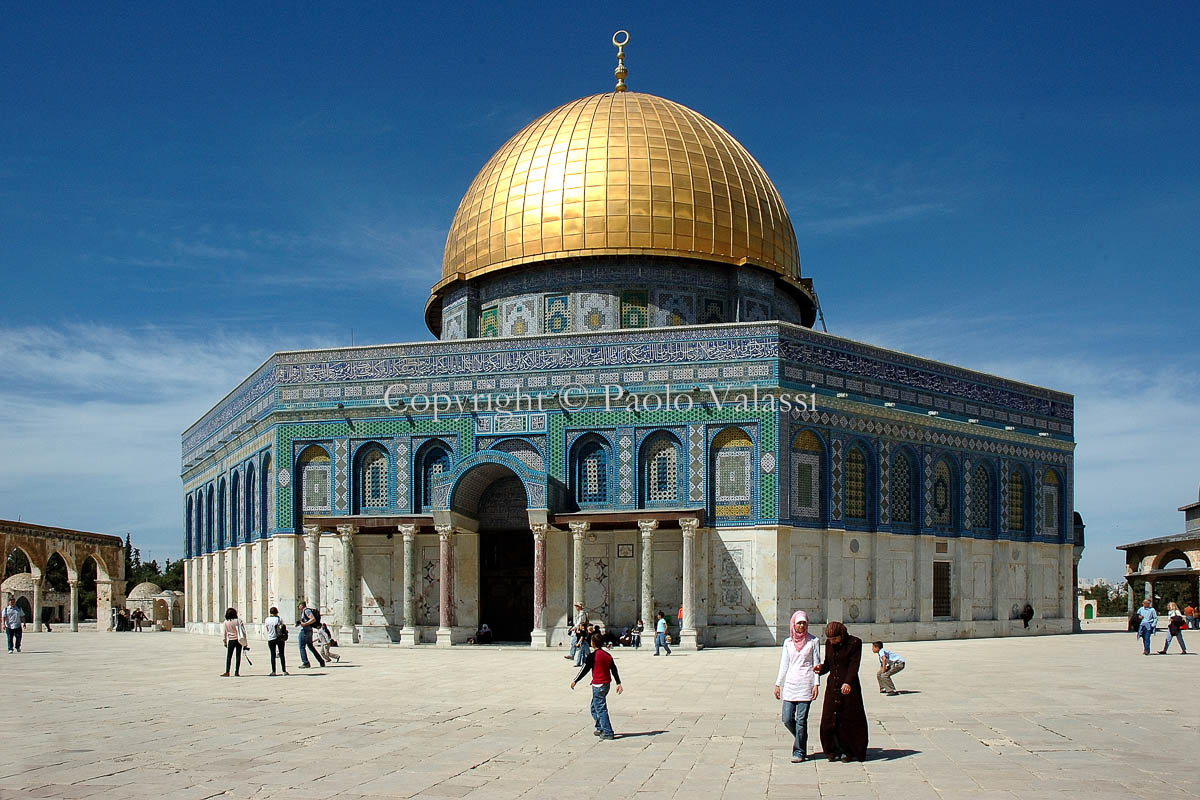
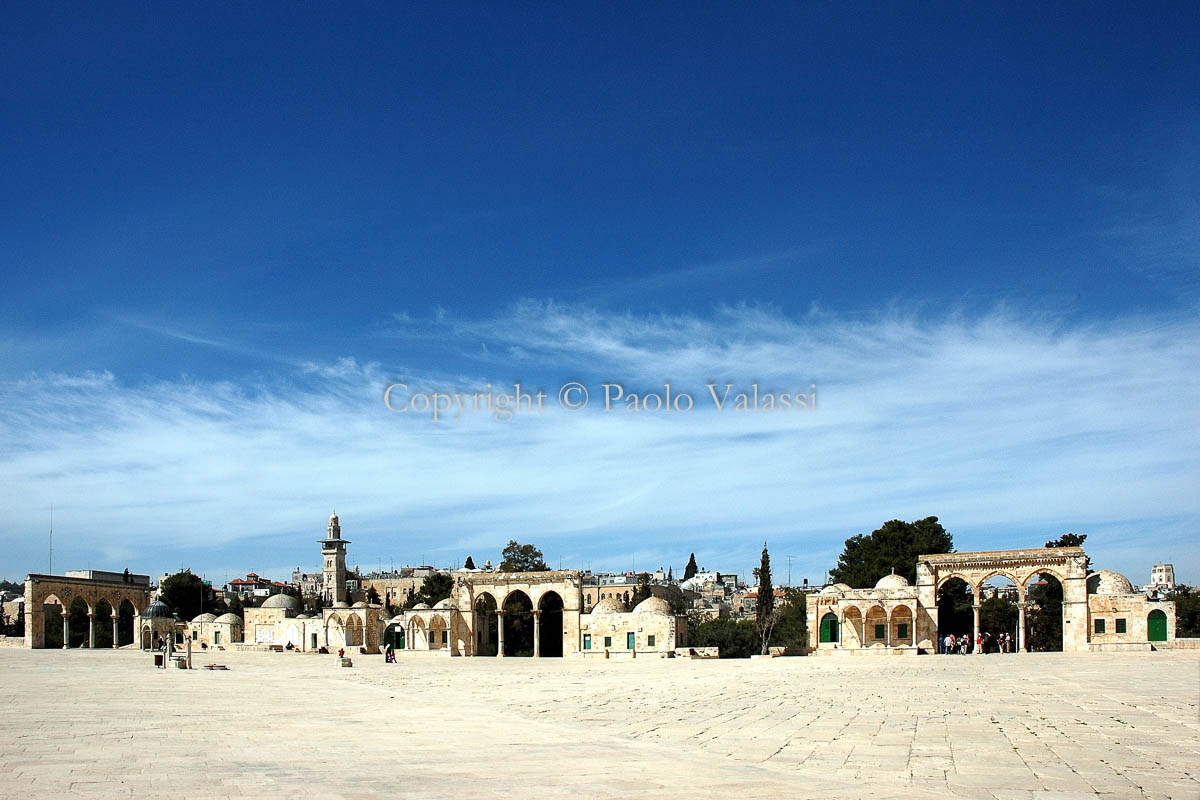
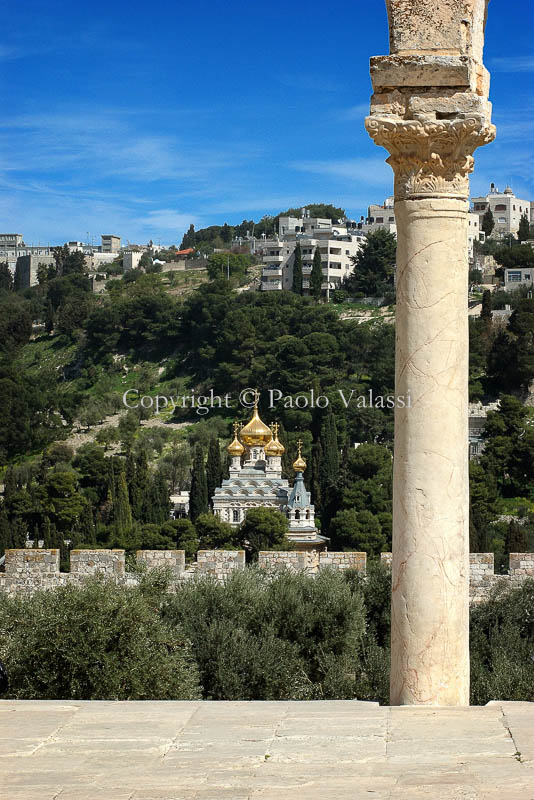
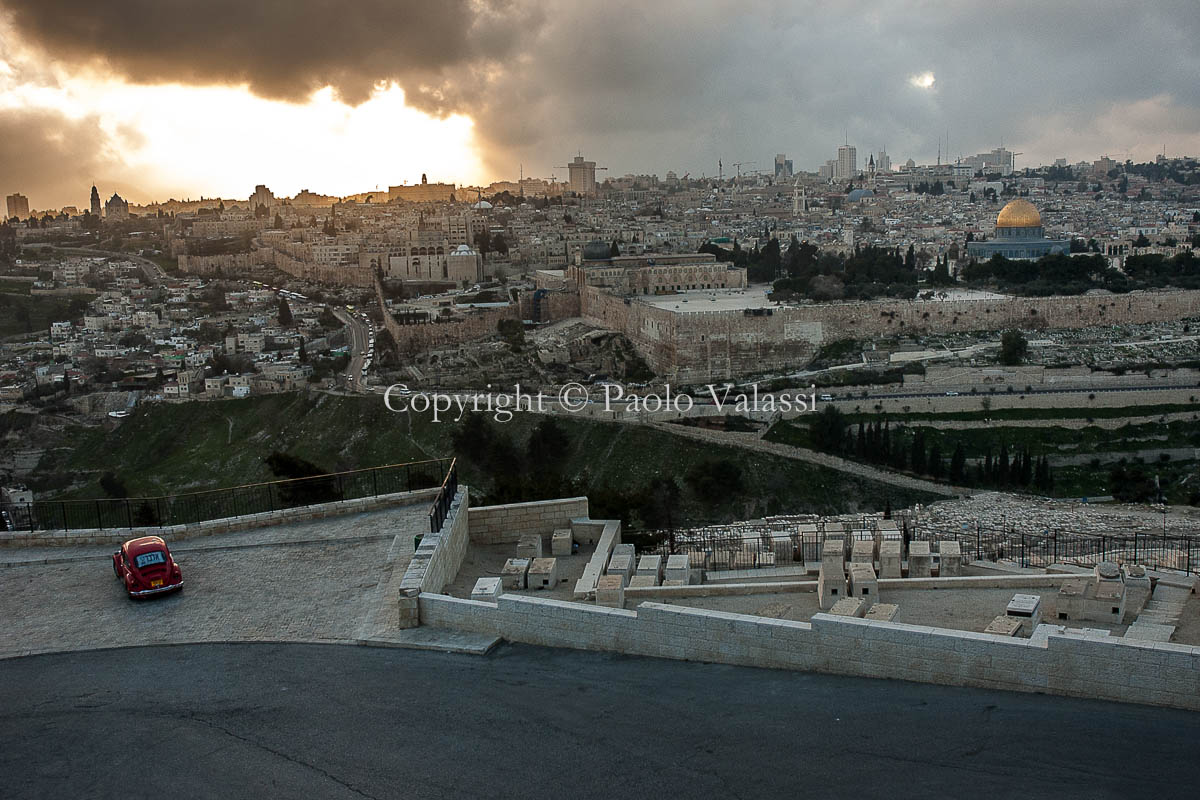
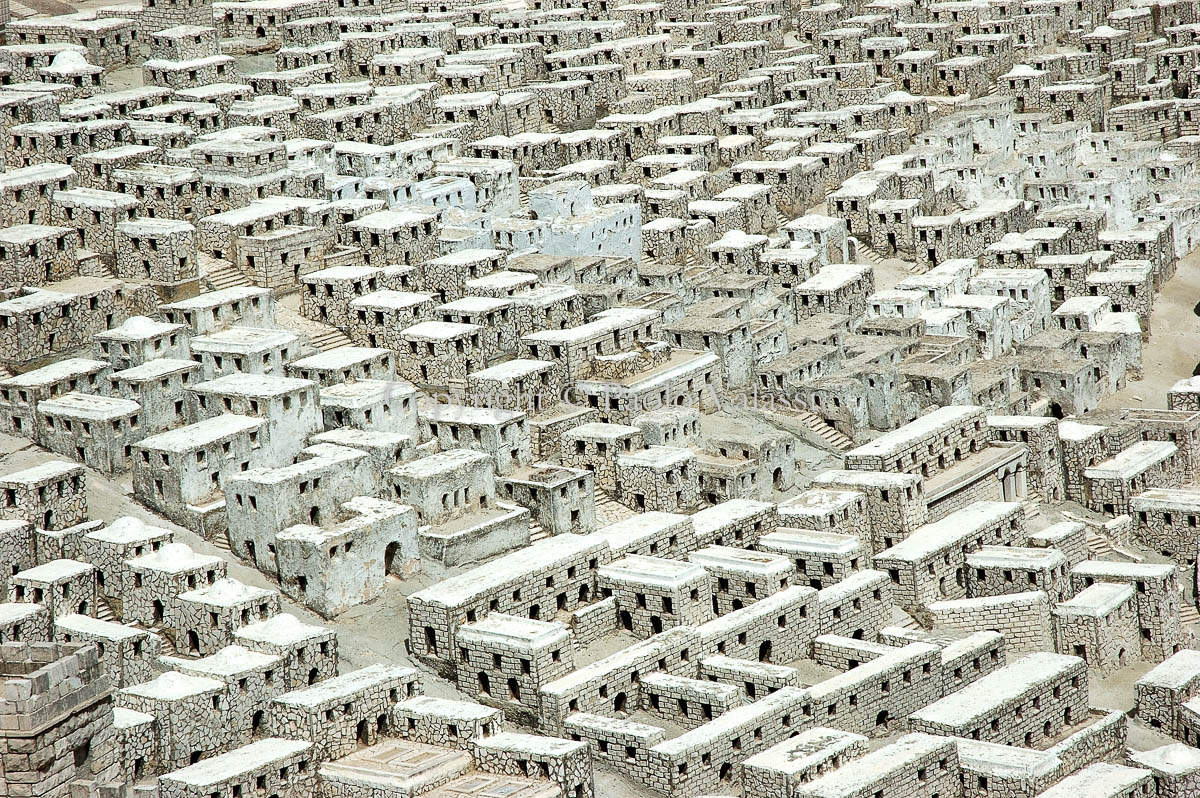
As the capital and spiritual heart of the region, Jerusalem is a sacred destination for Jews, Christians, and Muslims. The Old City (a UNESCO site) houses some of the world's most significant religious landmarks:
The Western Wall: The holiest site where Jews can pray.
The Church of the Holy Sepulchre: The site of the crucifixion and burial of Jesus.
The Dome of the Rock: An architectural masterpiece and iconic Islamic shrine.
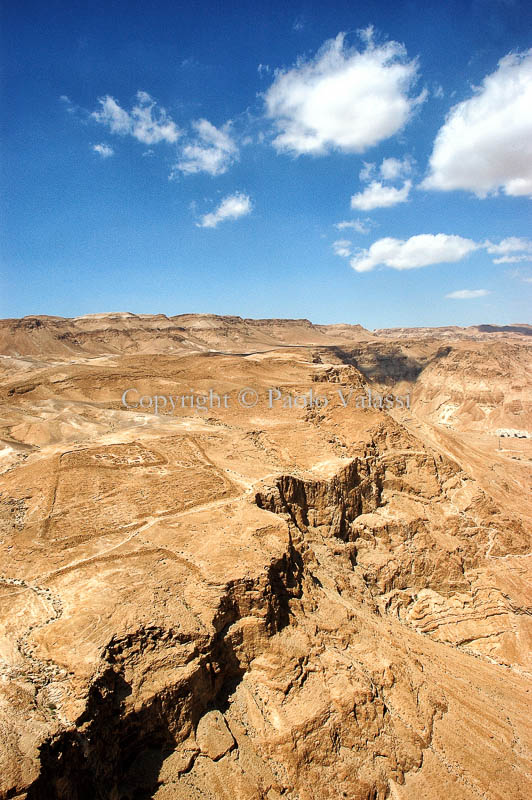
Perched on a rugged plateau overlooking the Judean Desert, Masada is a UNESCO World Heritage site. Built by Herod the Great in the 1st century BCE, this ancient fortress is famous for its dramatic history of Jewish resistance and its spectacular sunrise views over the Dead Sea.
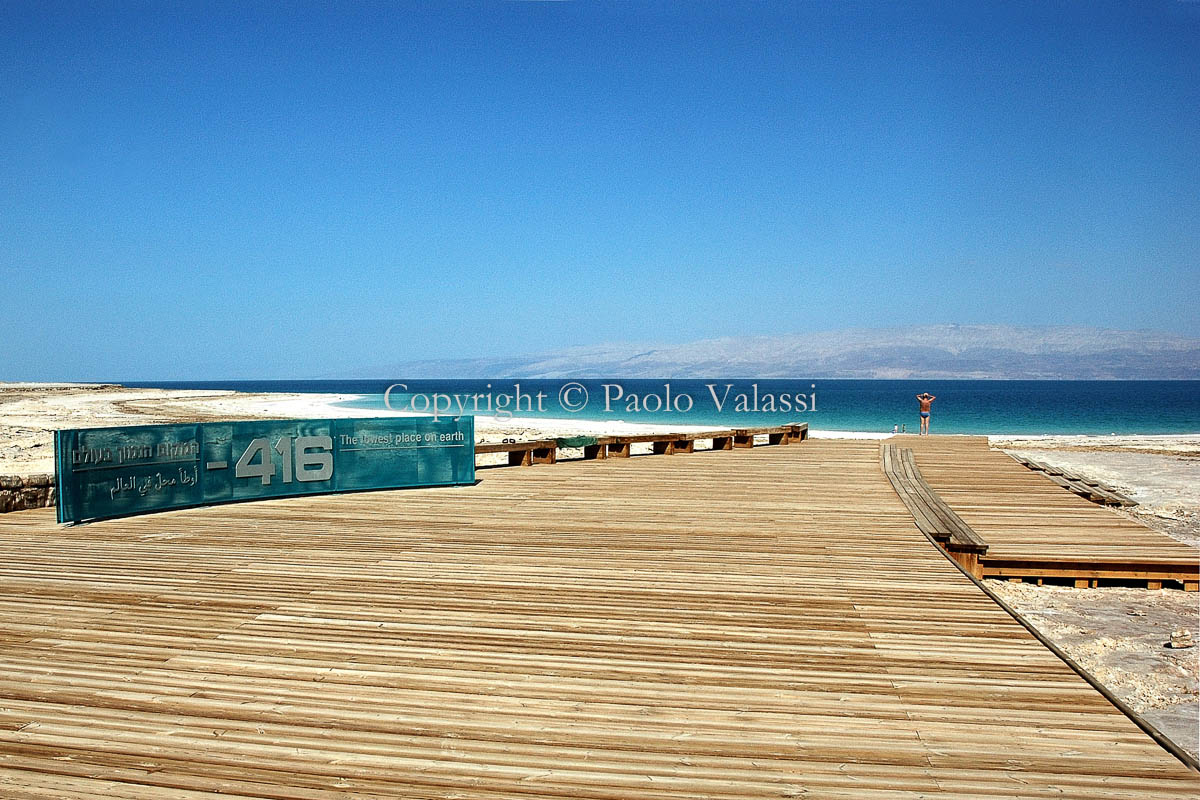
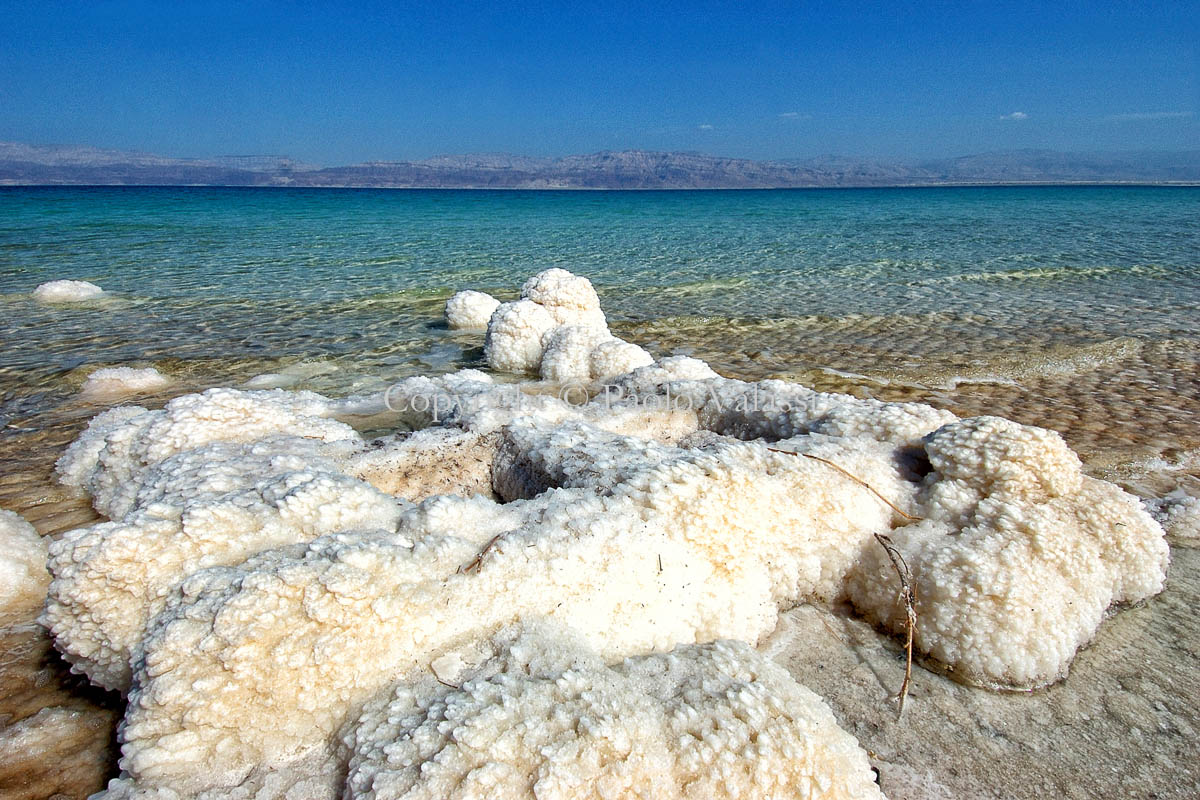
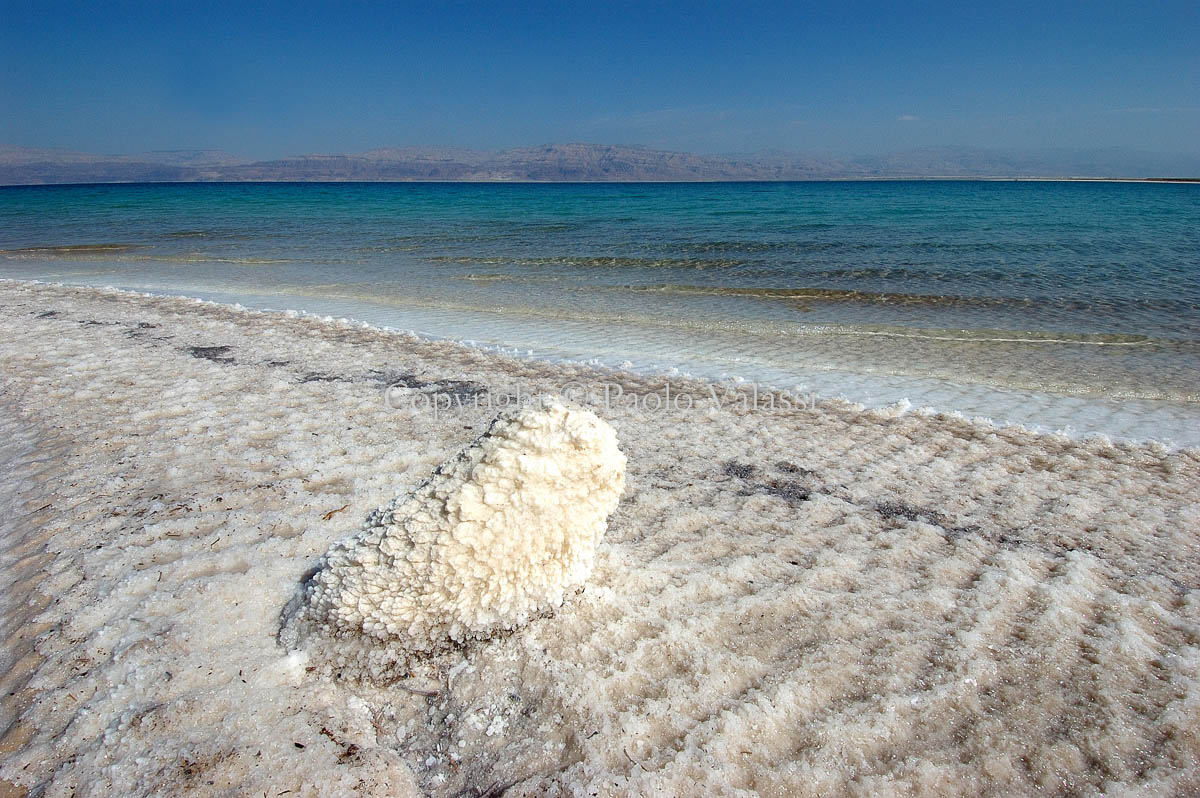
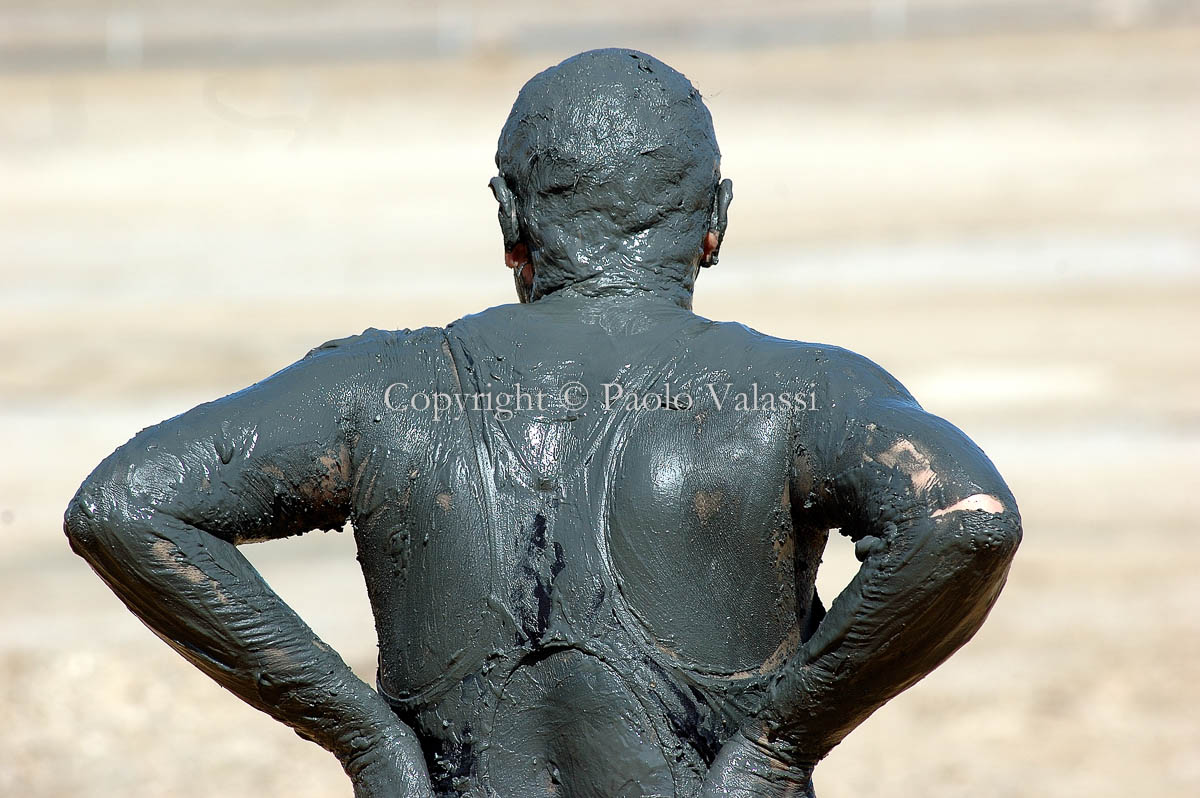
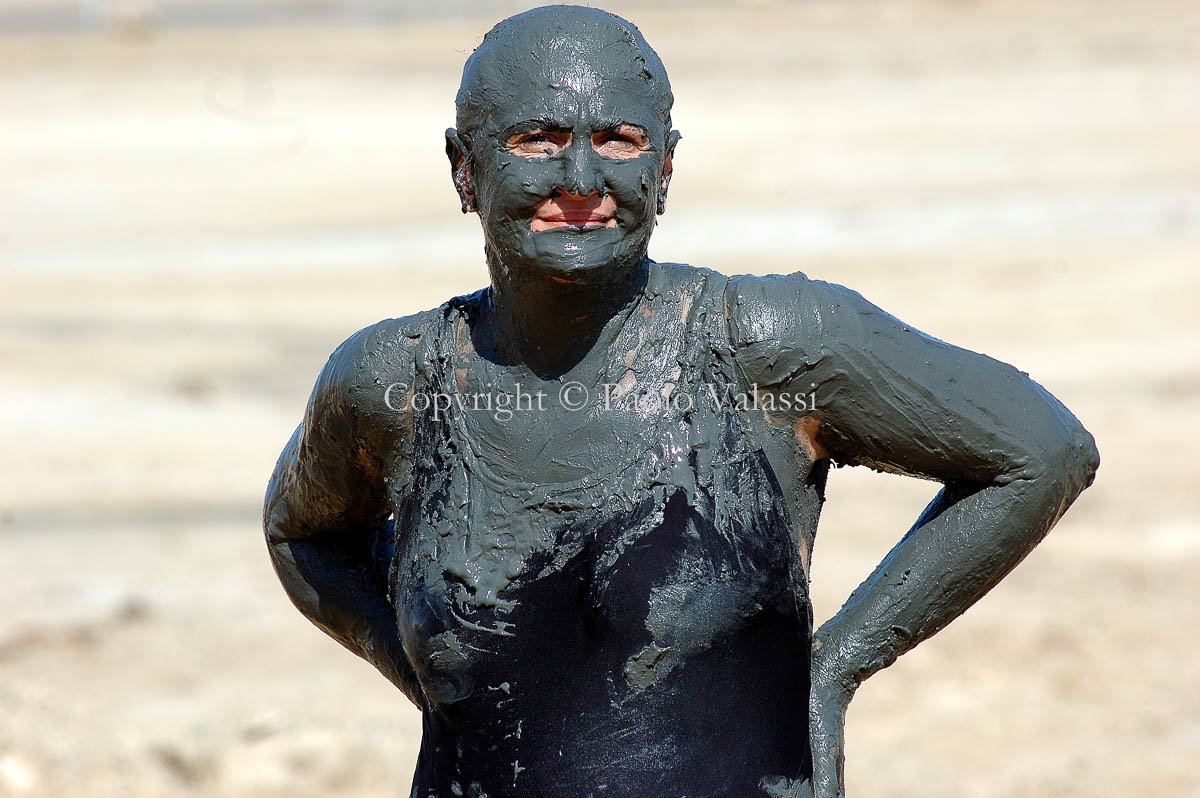
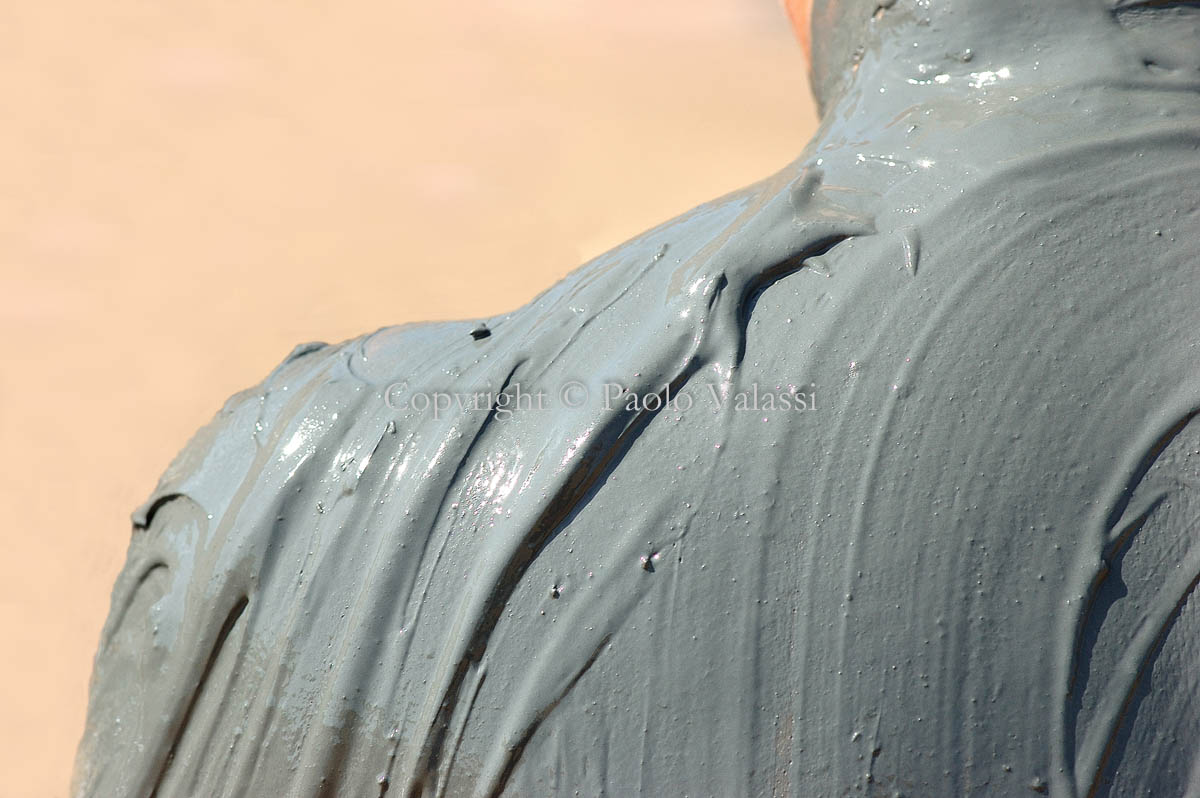
Situated at over 430 meters below sea level, the Dead Sea is a natural wonder known for its hypersaline waters. Visitors flock here to experience the effortless buoyancy of its waters and the mineral-rich therapeutic muds that have made it a global wellness destination for centuries.
Israel’s geography is incredibly varied, offering something for every type of traveler:
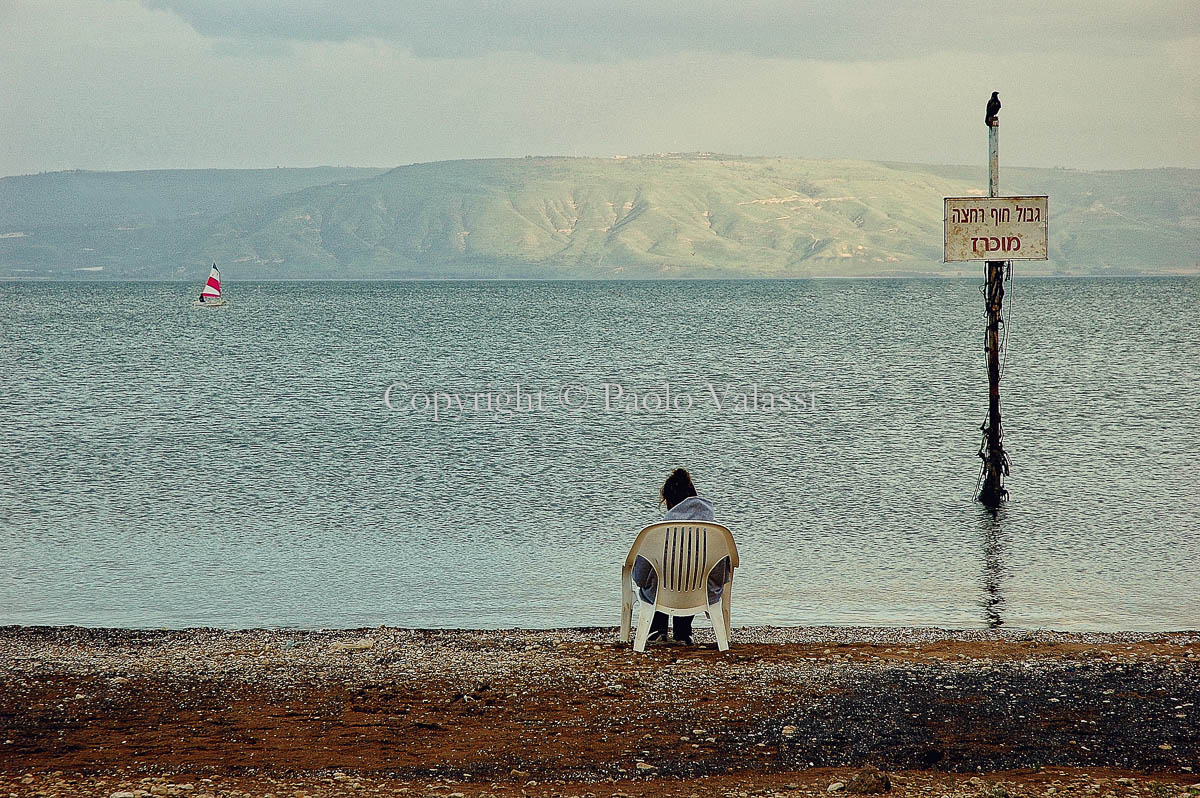
Sea of Galilee (Lake Kinneret): A serene freshwater lake in the north, surrounded by lush hiking trails and biblical sites.
The Negev Desert: Covering the southern half of the country, it is a playground for adventure seekers, featuring the massive Ramon Crater.
Mediterranean Coastline: Home to the white cliffs of Rosh Hanikra and the vibrant, world-class beaches of Tel Aviv.
Traveler’s Note: Israel’s compact size makes it easy to explore multiple regions in a single trip. You can enjoy breakfast on a Mediterranean beach, lunch in the mountains of Jerusalem, and float in the Dead Sea by sunset.
Region: Middle East, Eastern Mediterranean.
Major Hubs: Jerusalem (Culture/History), Tel Aviv (Business/Nightlife), Haifa (Gardens/Port).
Best Time to Visit: Spring (March–May) and Autumn (September–November) for mild weather.