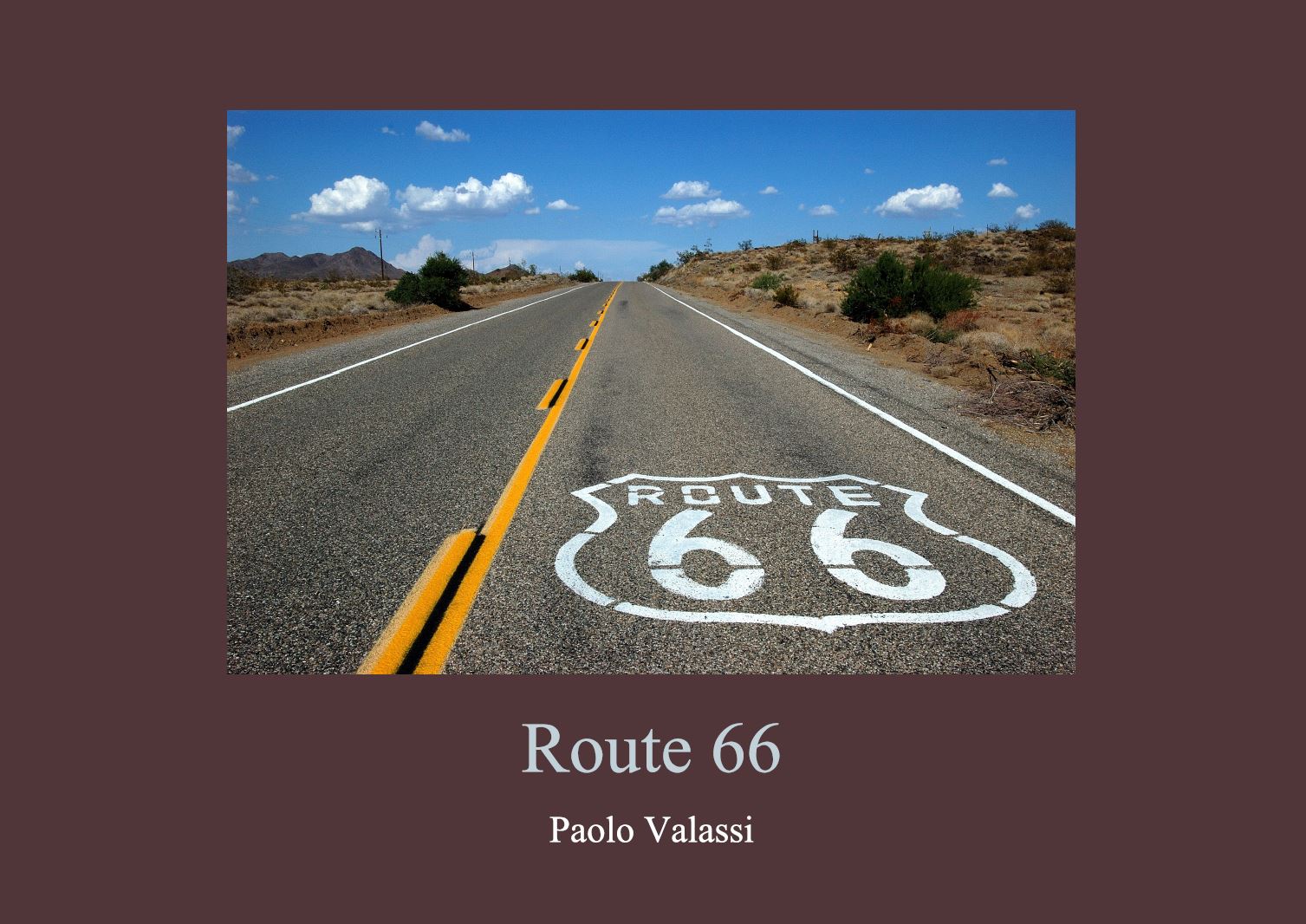
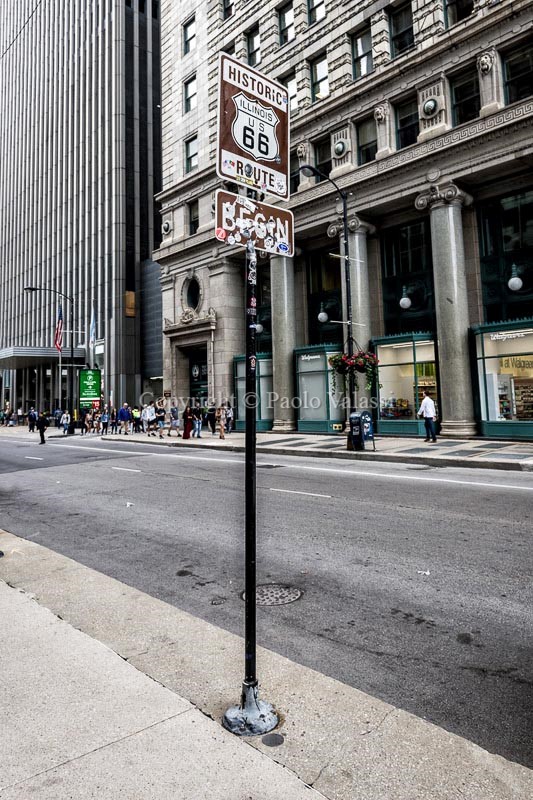
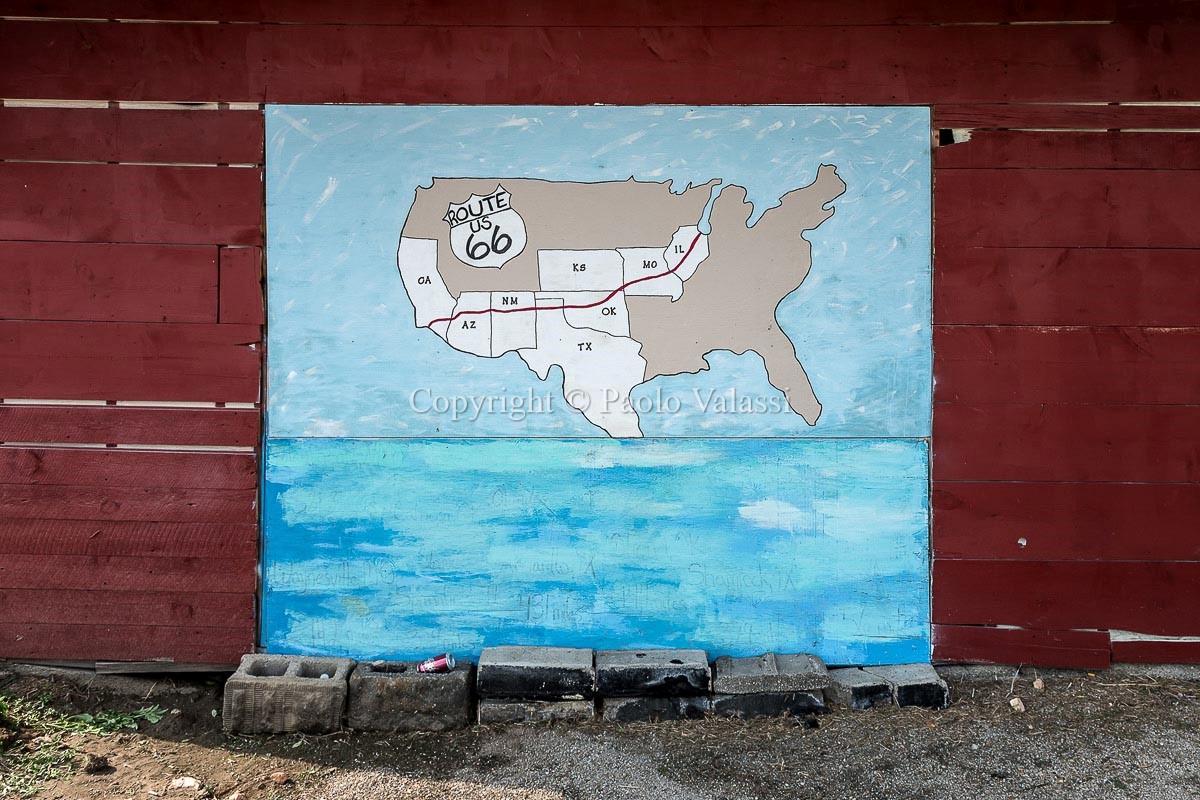

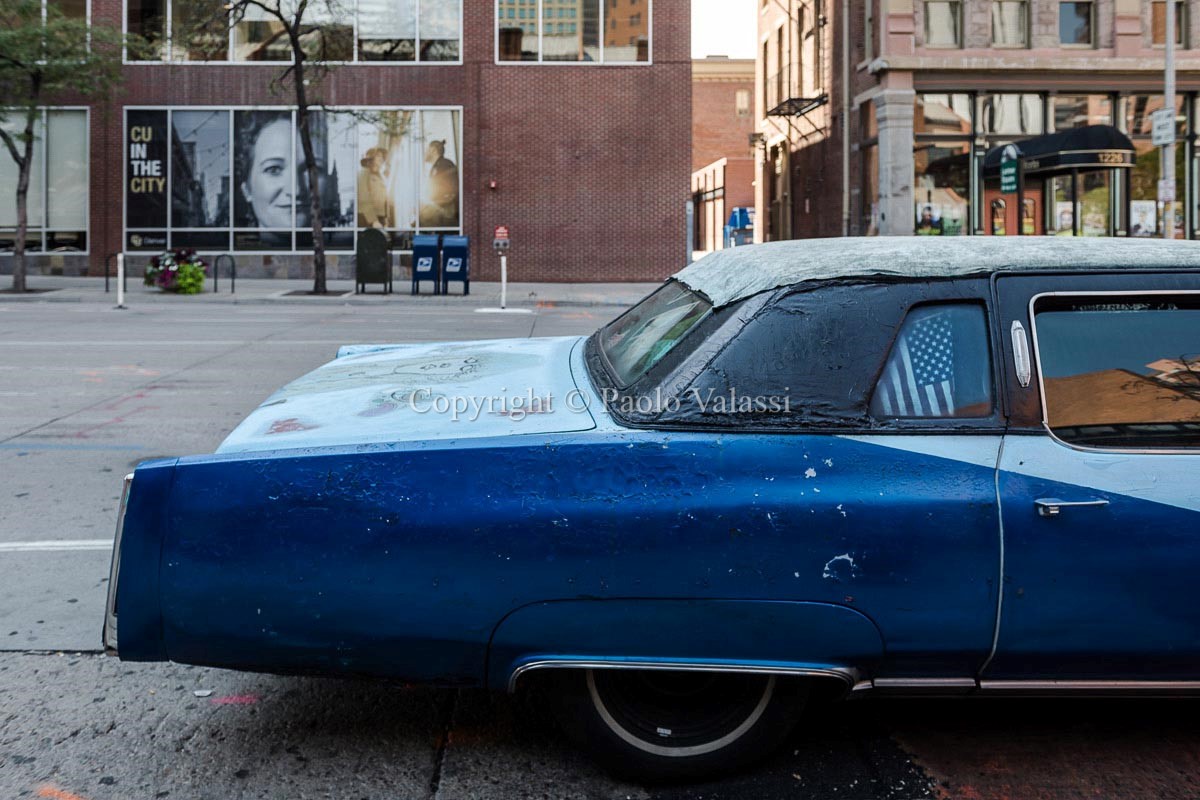
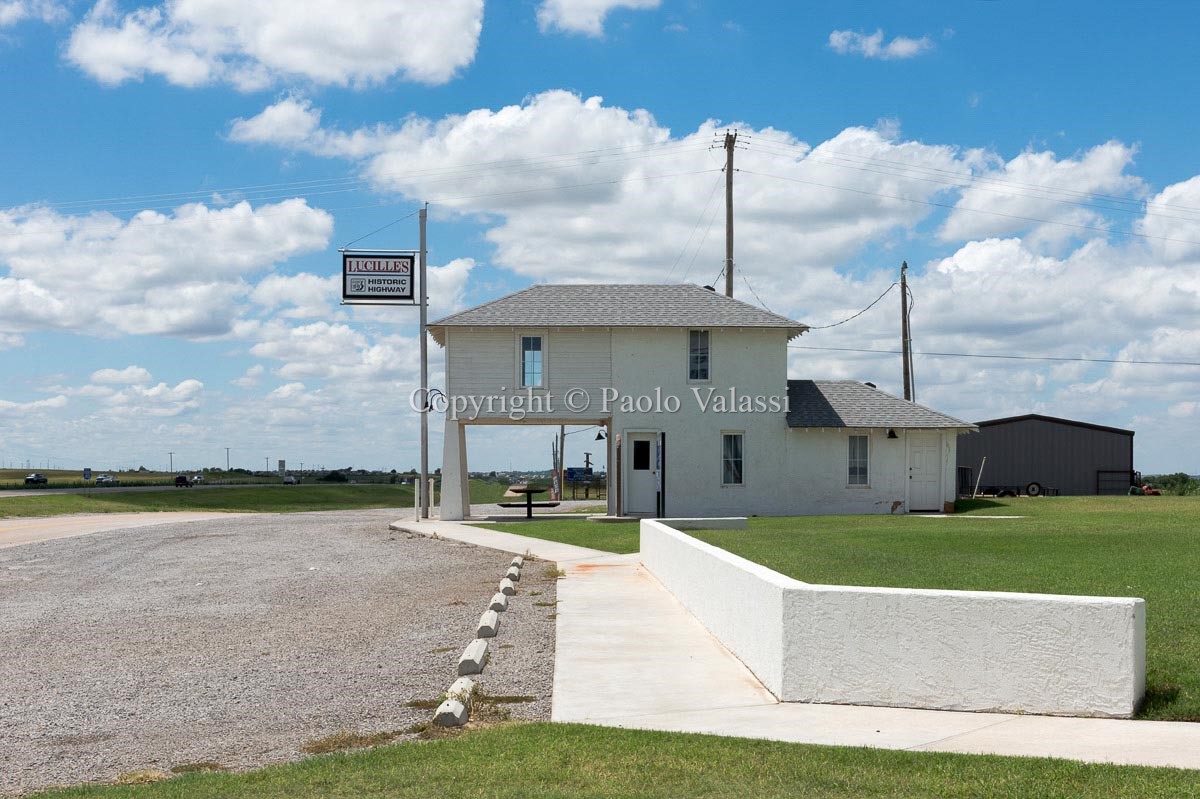


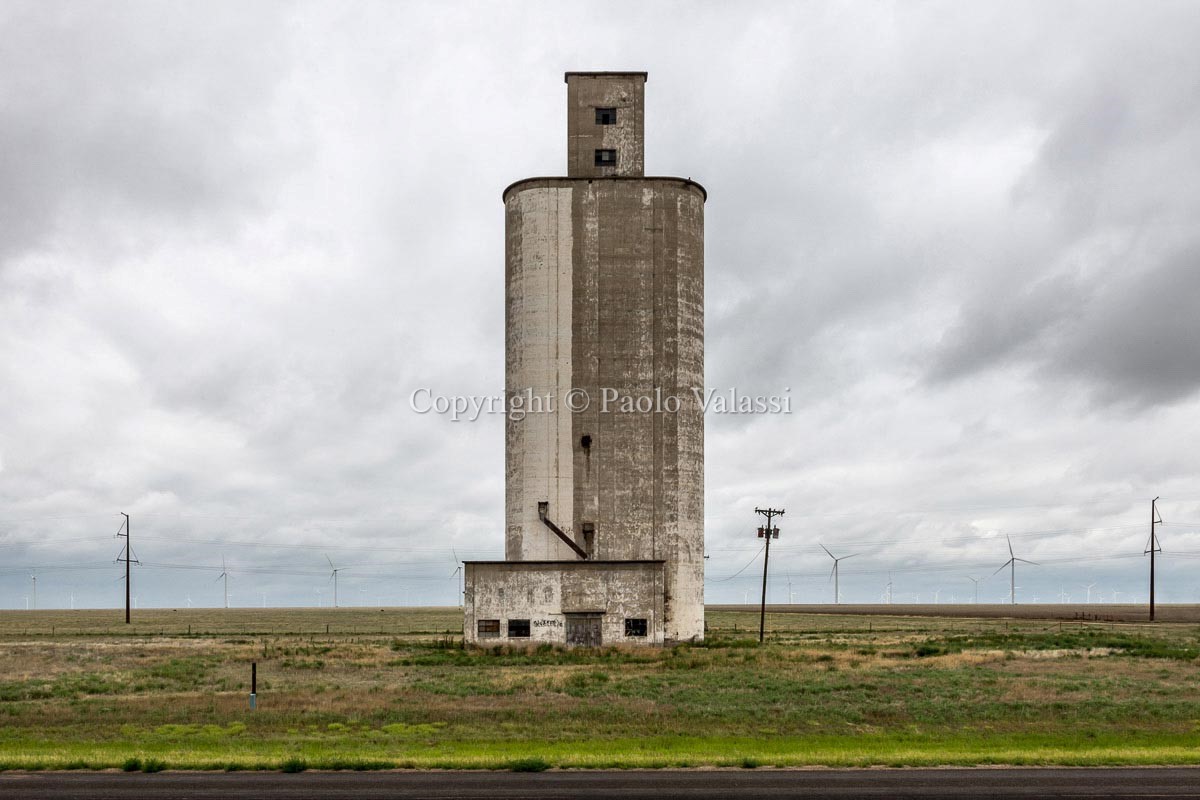

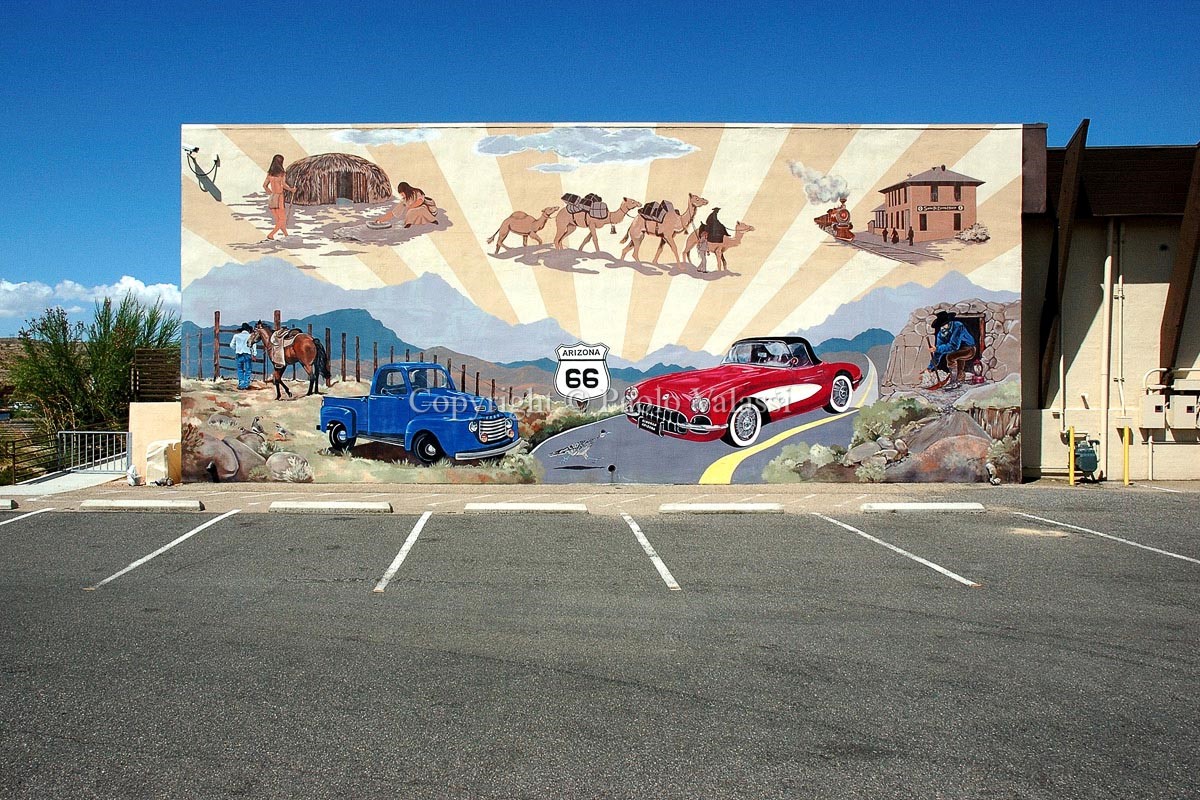
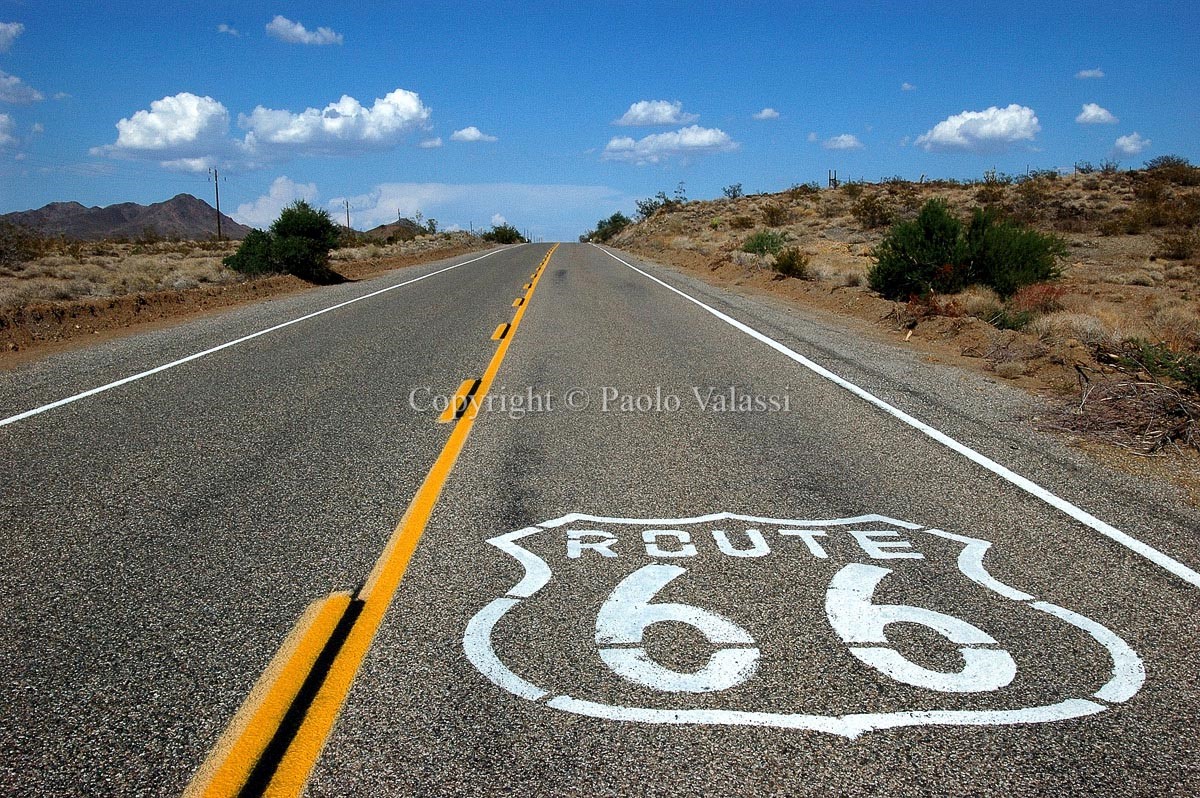
Route 66, famously known as the Mother Road, is a legendary historical highway that served as a primary artery for American westward migration and commerce. Stretching across 2,448 miles (3,937 km), it remains a powerful symbol of 20th-century American culture and the spirit of the open road.
Established: 1926 (Federal Highway Designation).
Route: Connects Chicago, Illinois to Santa Monica, California.
States Covered: Illinois, Missouri, Kansas, Oklahoma, Texas, New Mexico, Arizona, and California.
Following its inception, Route 66 quickly became the preferred route for travelers seeking to discover the American West. Its popularity fueled a unique roadside economy, characterized by:
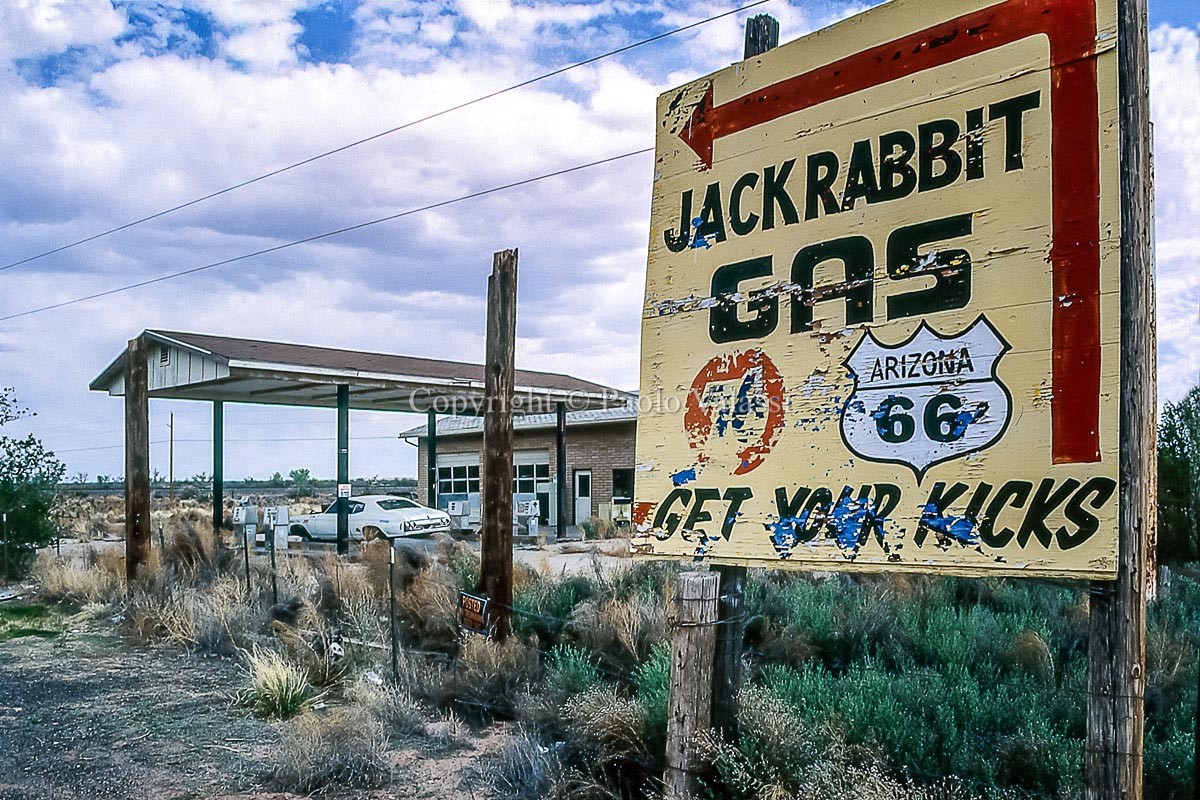
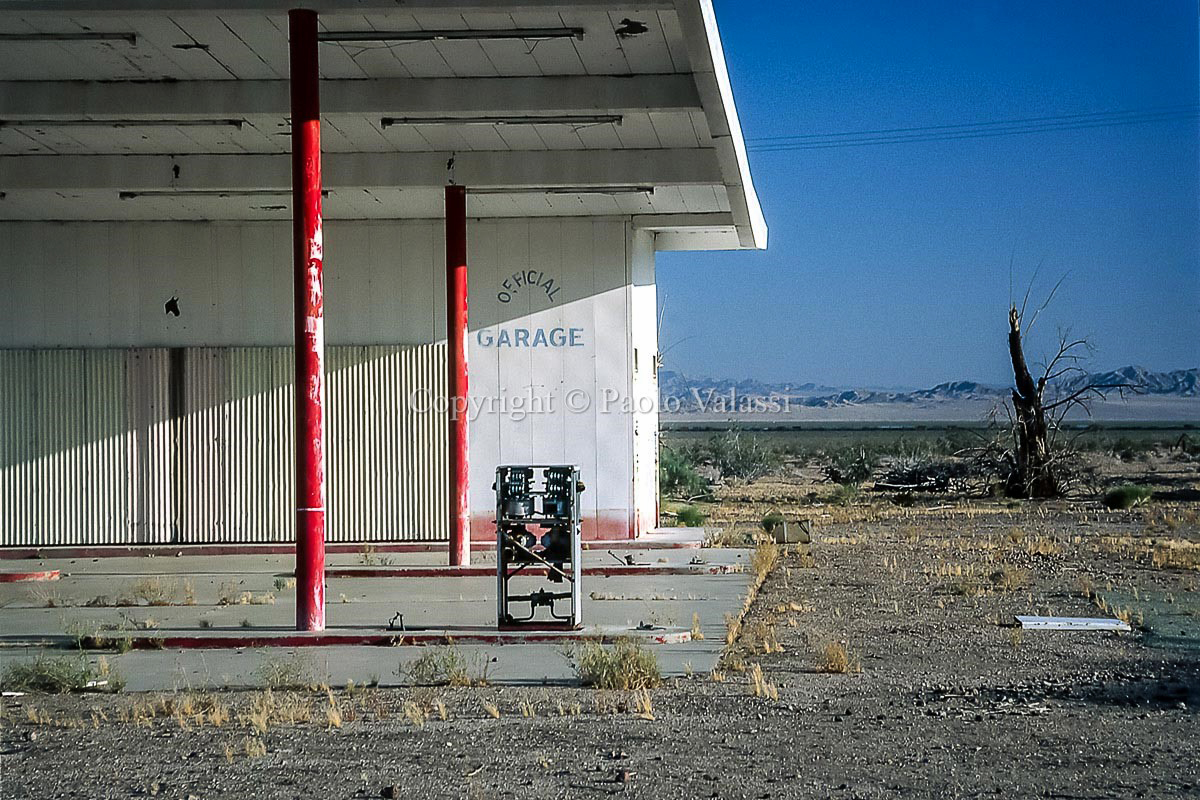
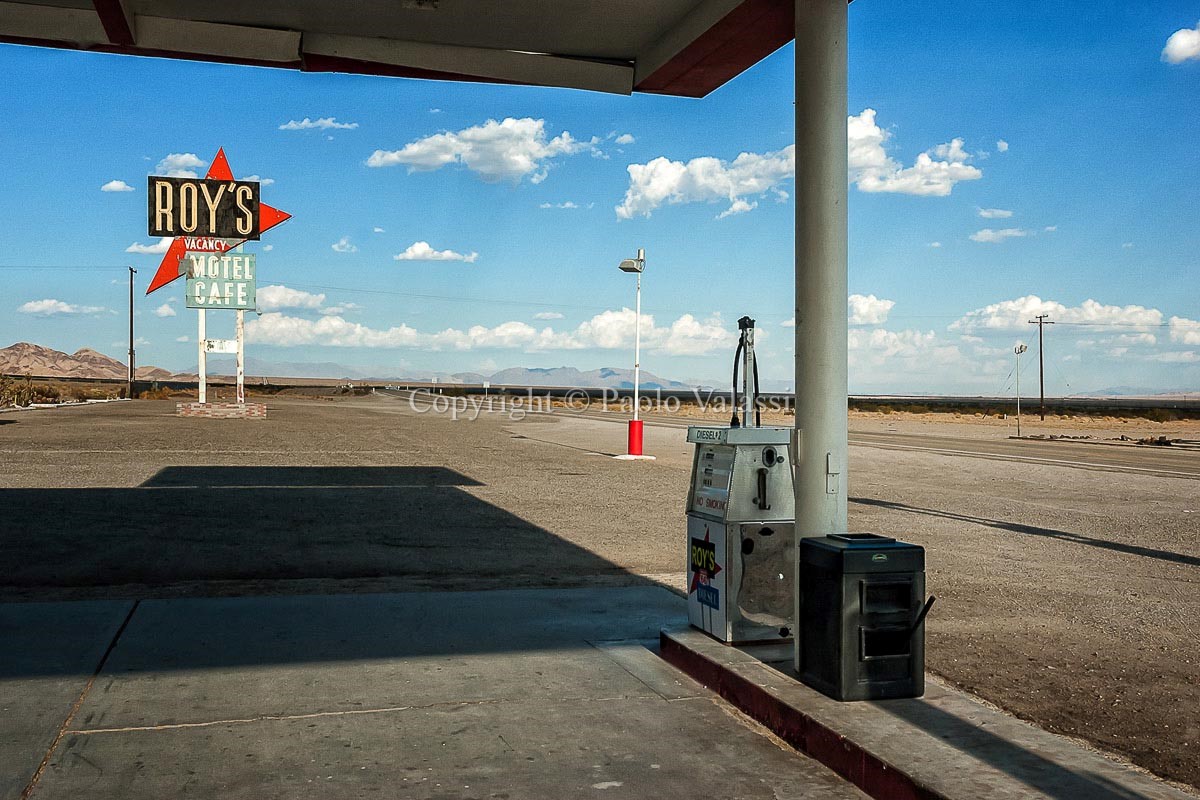
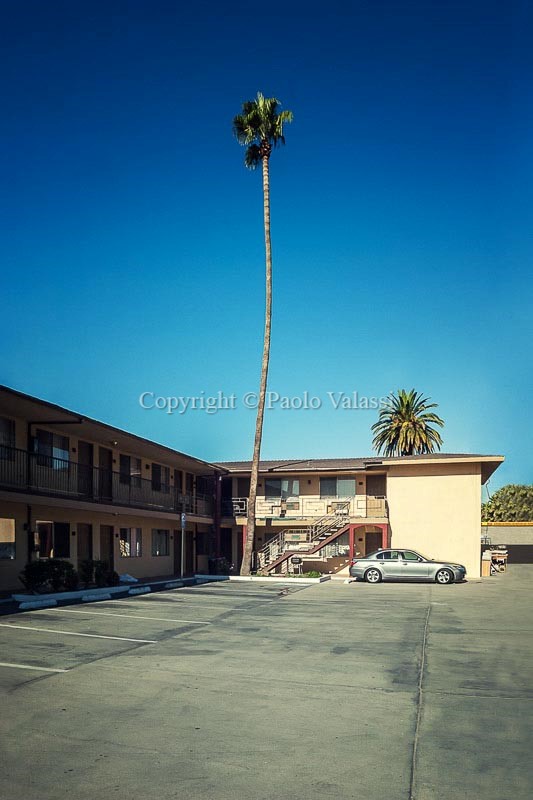
Commercial Growth: Thousands of diners, motels, and service stations emerged to cater to the influx of transcontinental travelers.
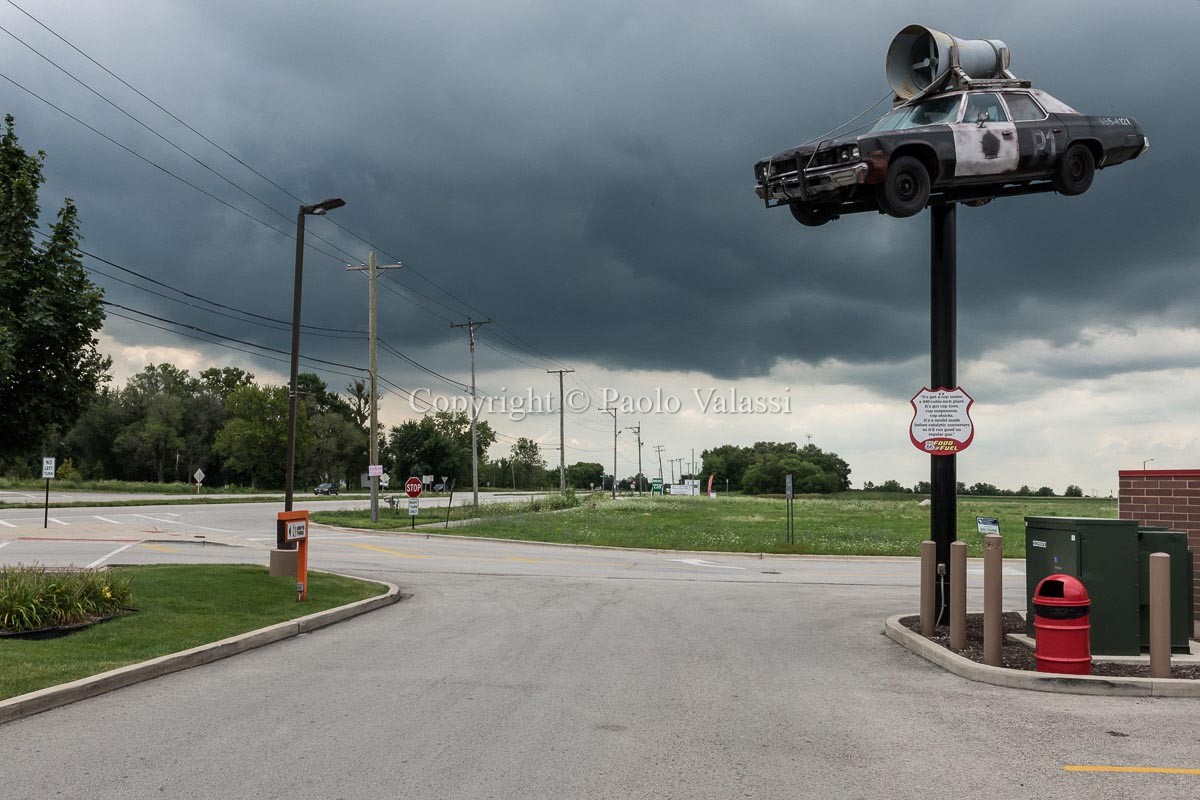
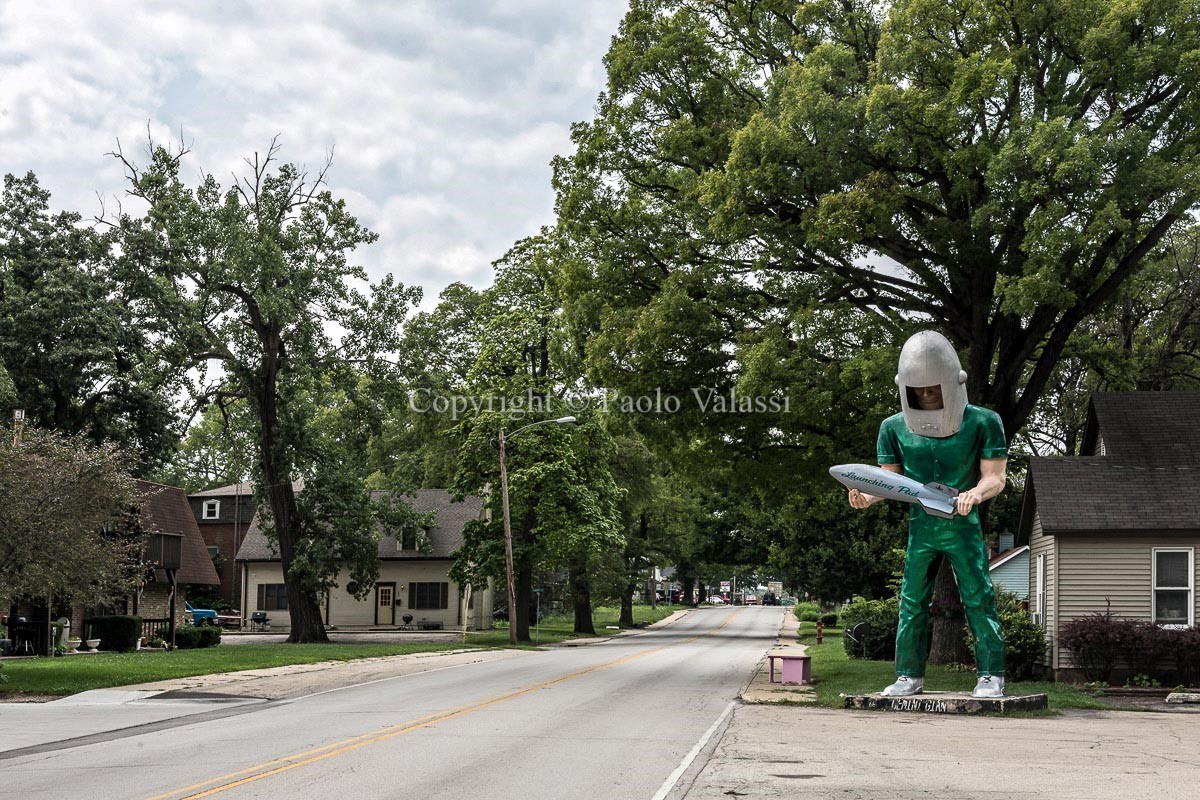
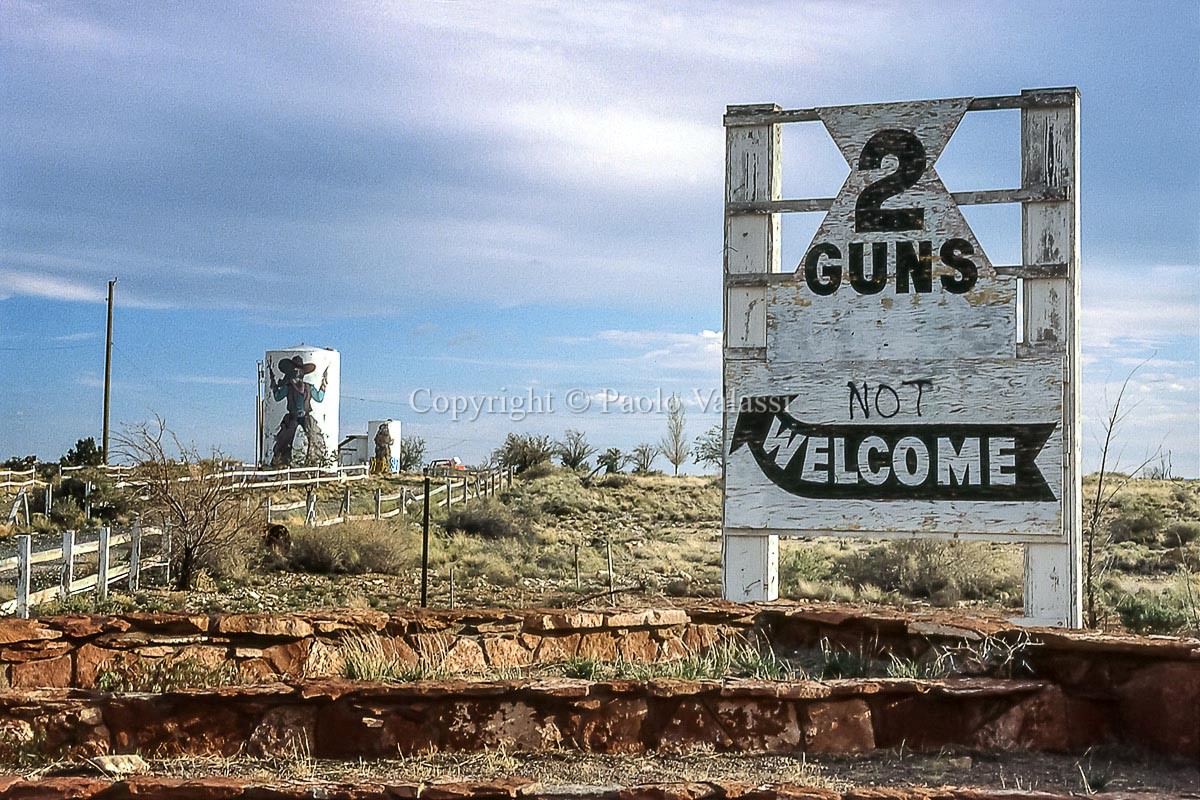
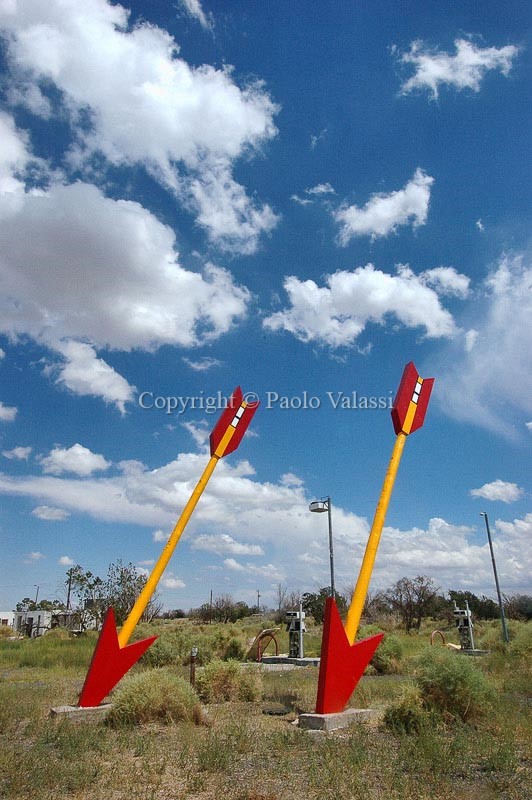
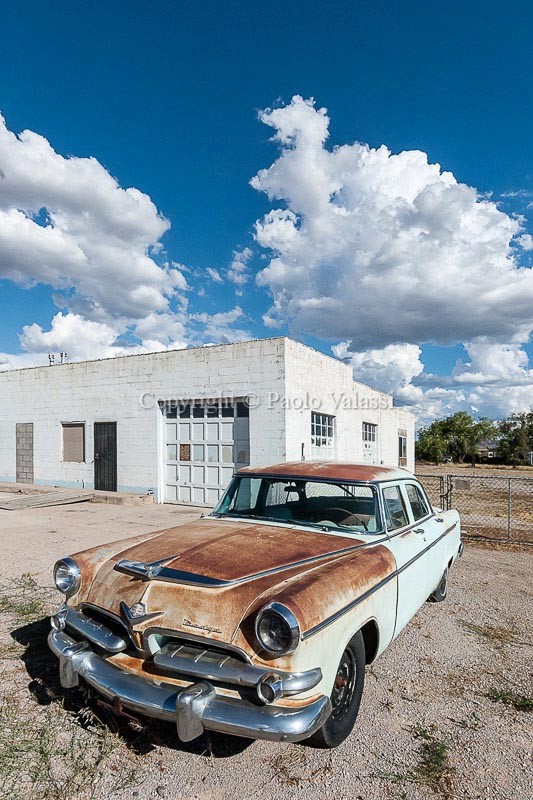
Cultural Significance: During the 1950s, the highway reached its zenith, serving as the main stage for the American "road trip" phenomenon and the development of unique roadside architecture.
The decline of Route 66 was a direct result of the 1956 Interstate Highway Act. The construction of the Interstate Highway System in the 1960s offered faster, more direct transit, leading to significant changes:
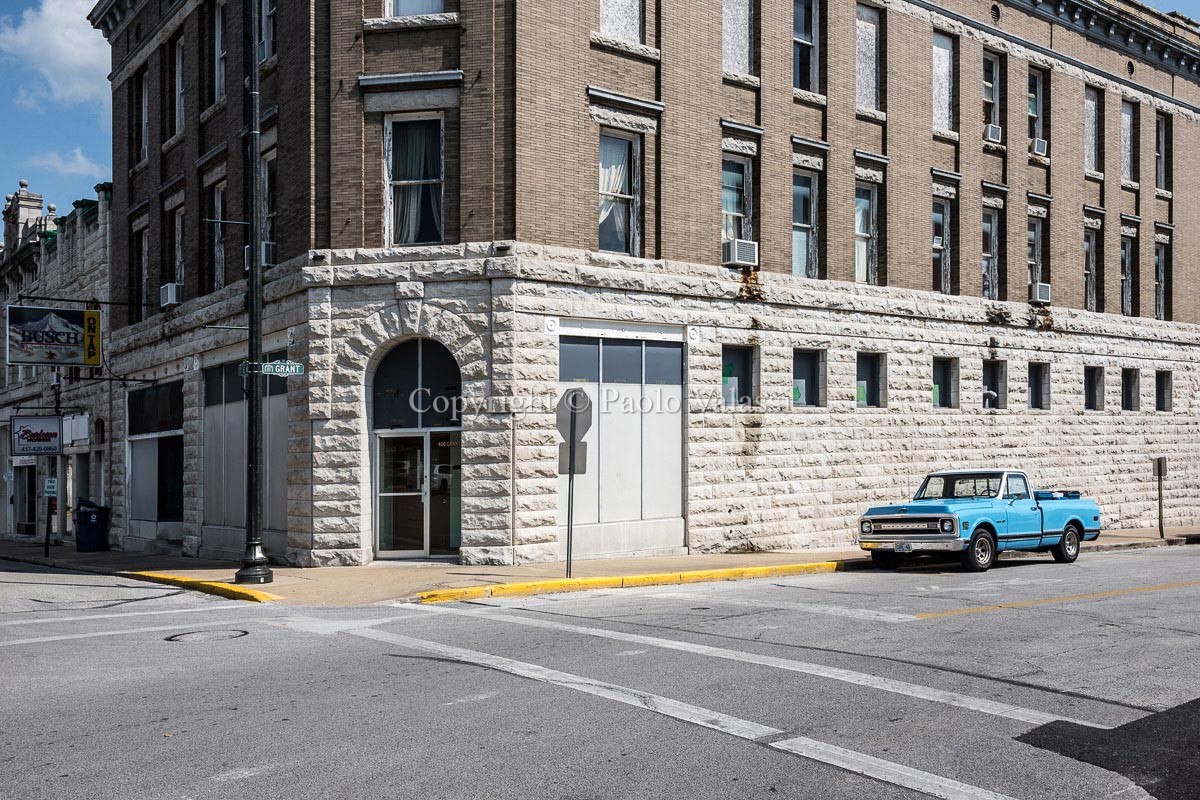
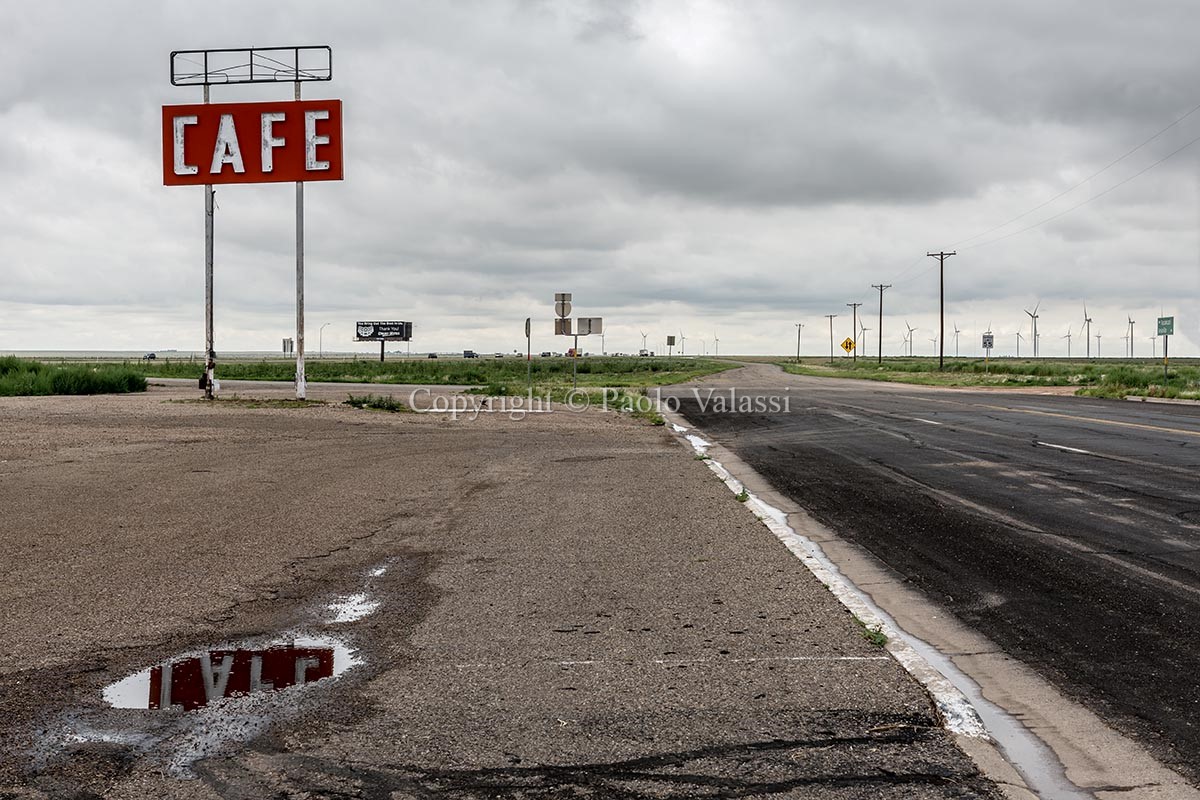
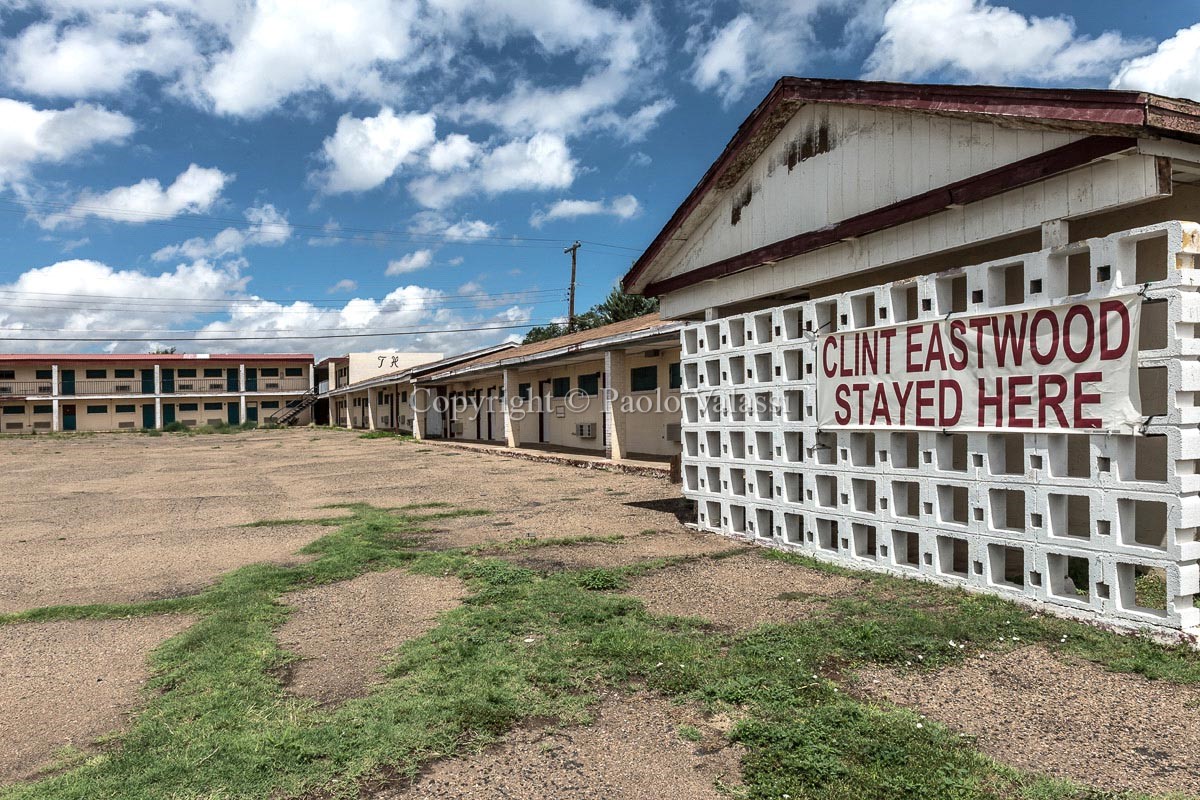
Economic Shift: As traffic bypassed traditional towns in favor of high-speed interstates, many local businesses along the original path were forced to close.
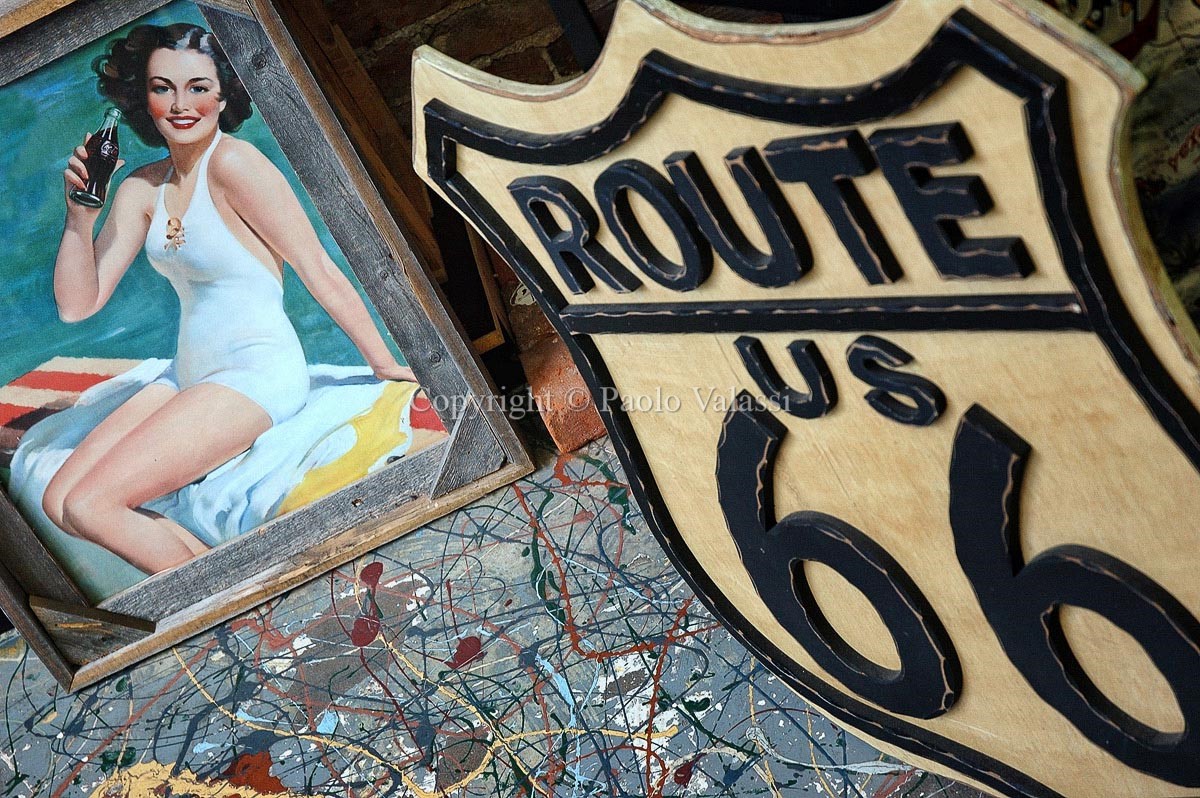
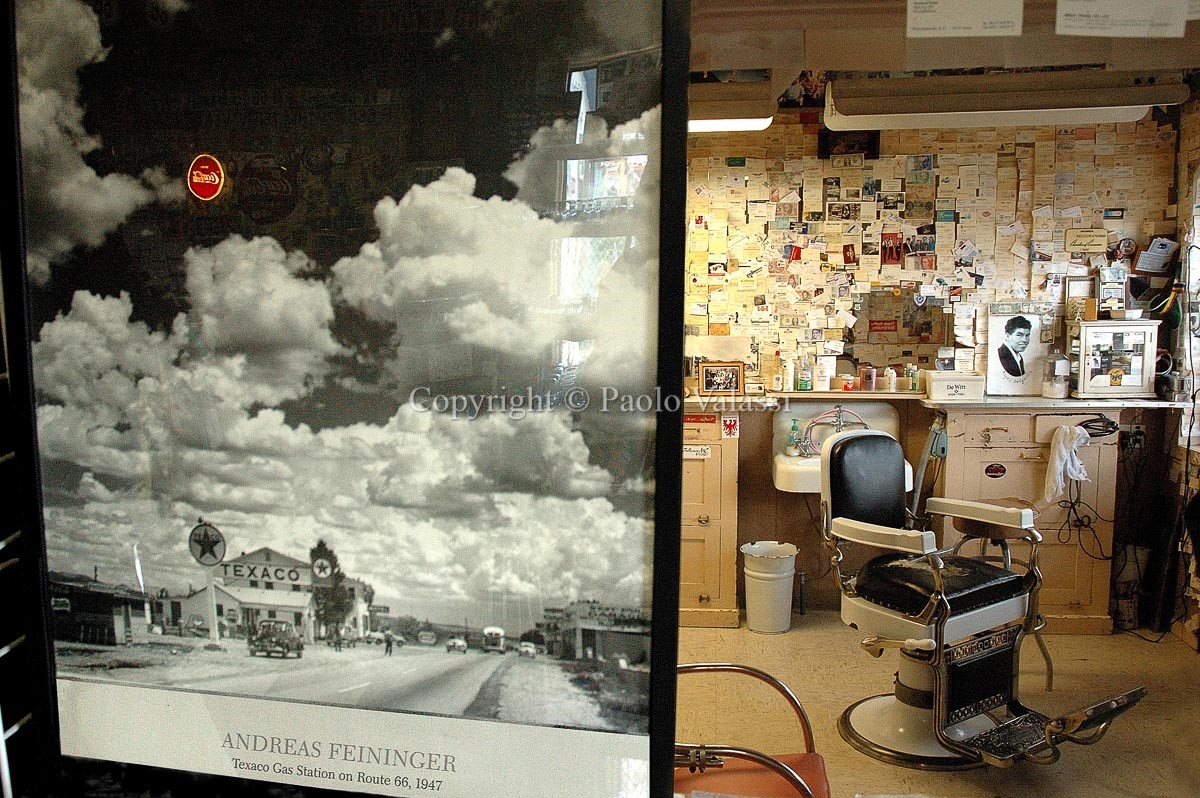
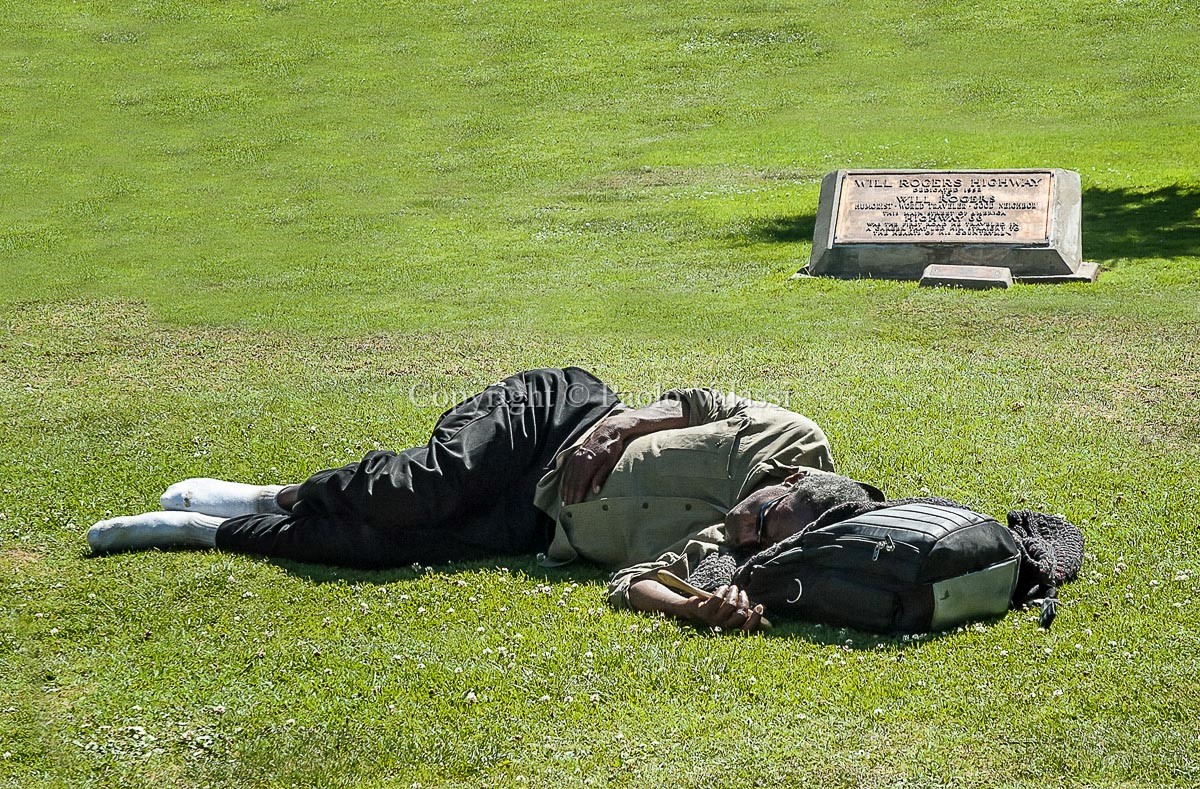
Historical Preservation: Although officially removed from the United States Highway System in 1985, it is now preserved as a National Scenic Byway and "Historic Route 66," attracting global tourists interested in nostalgia and Americana.