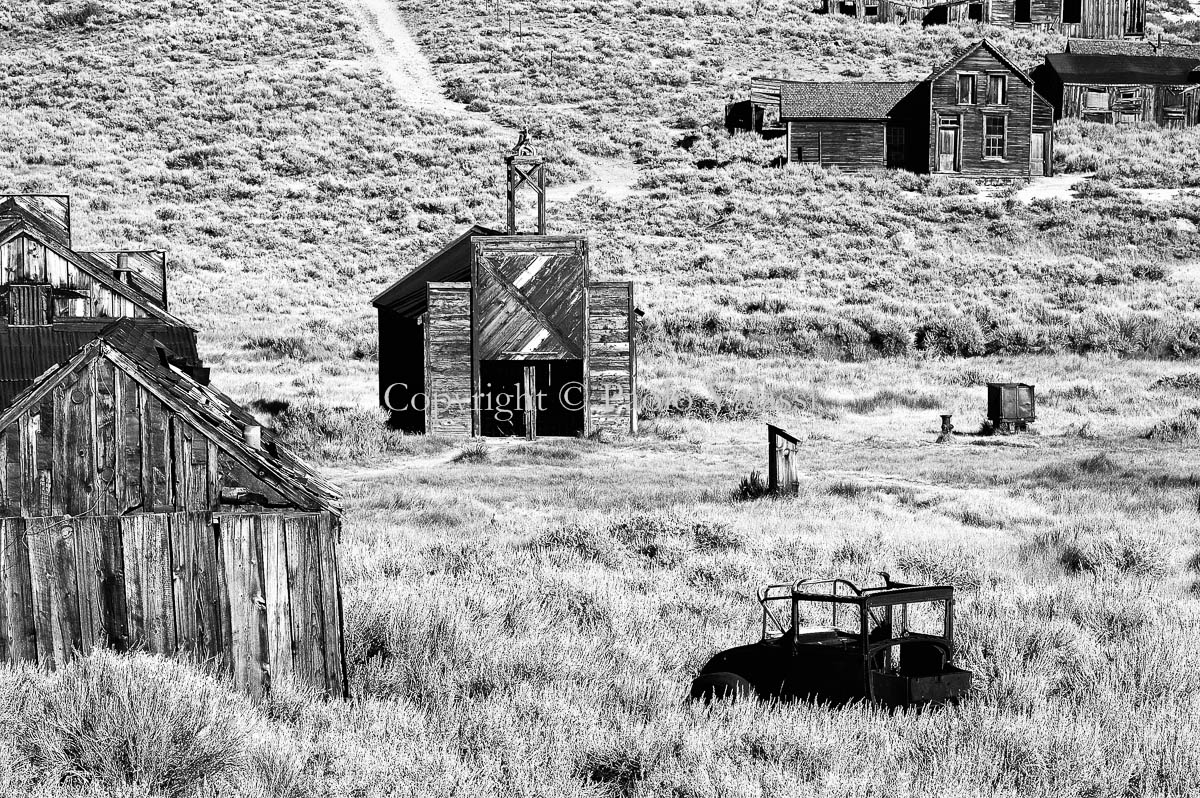
Bodie State Historic Park: The Ultimate Guide to California’s Best-Preserved Ghost Town
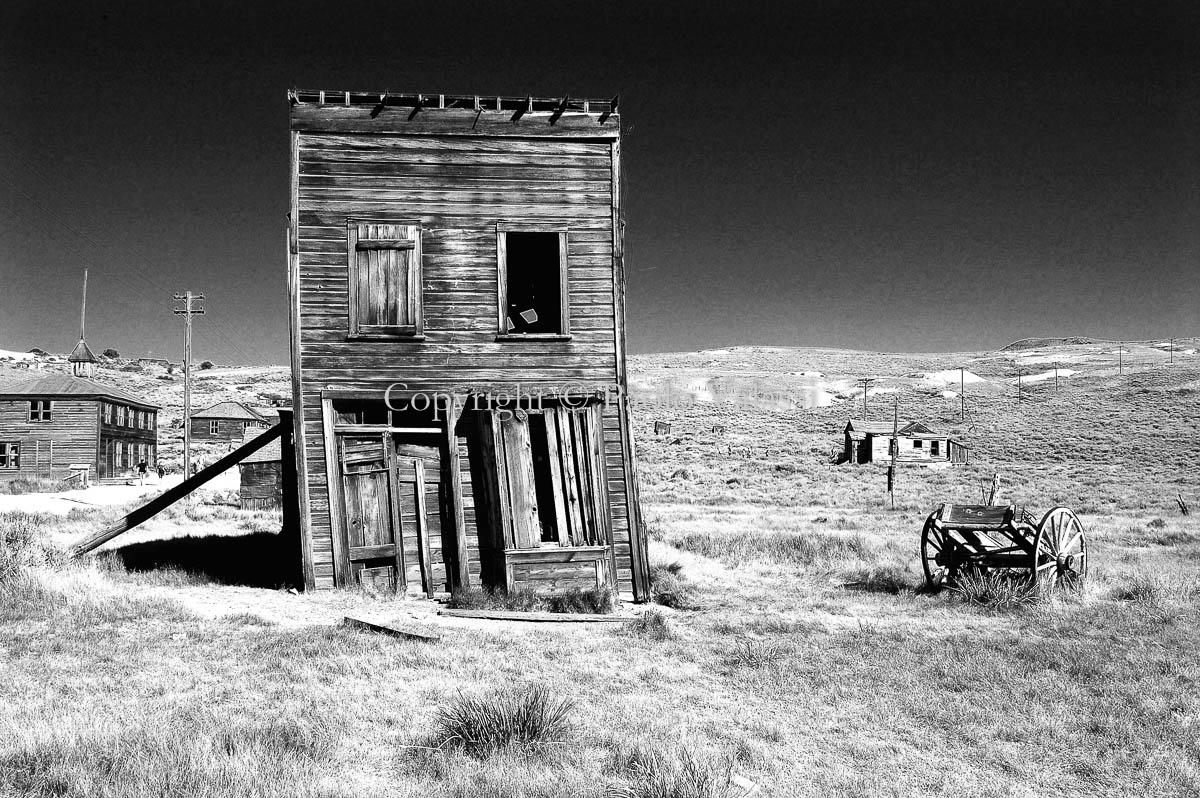
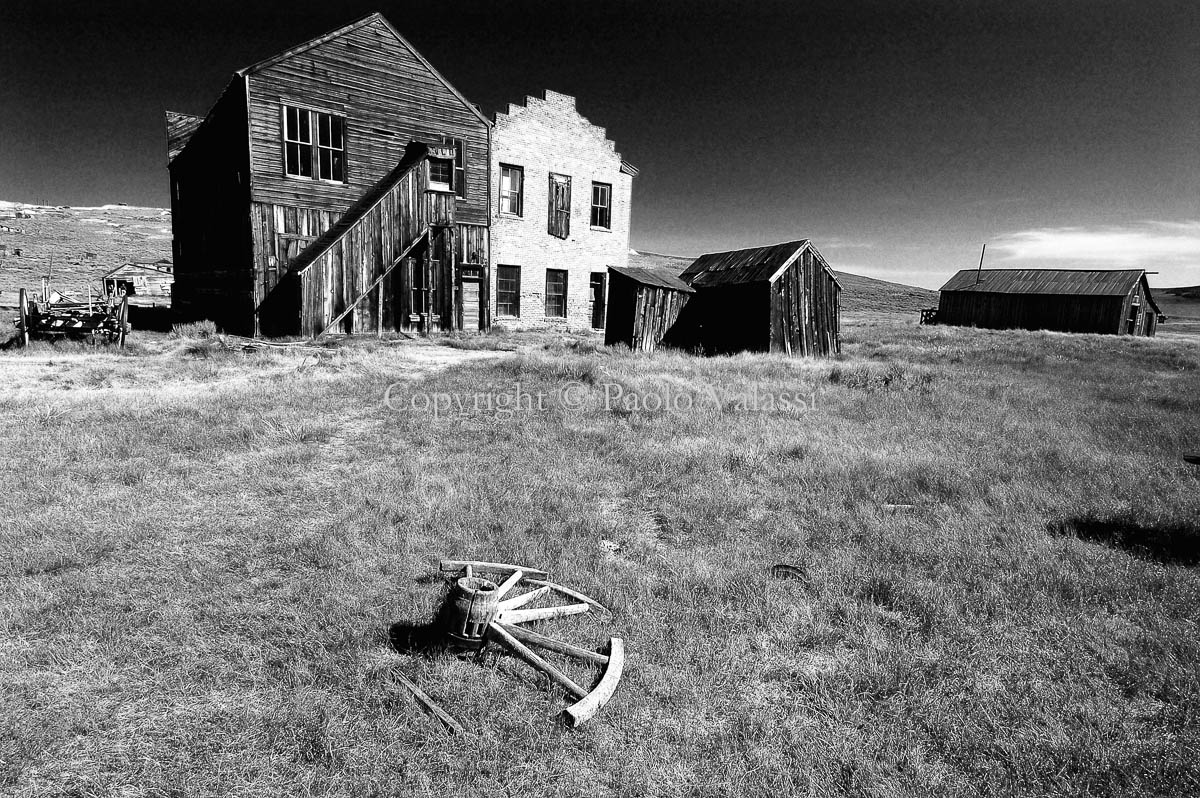
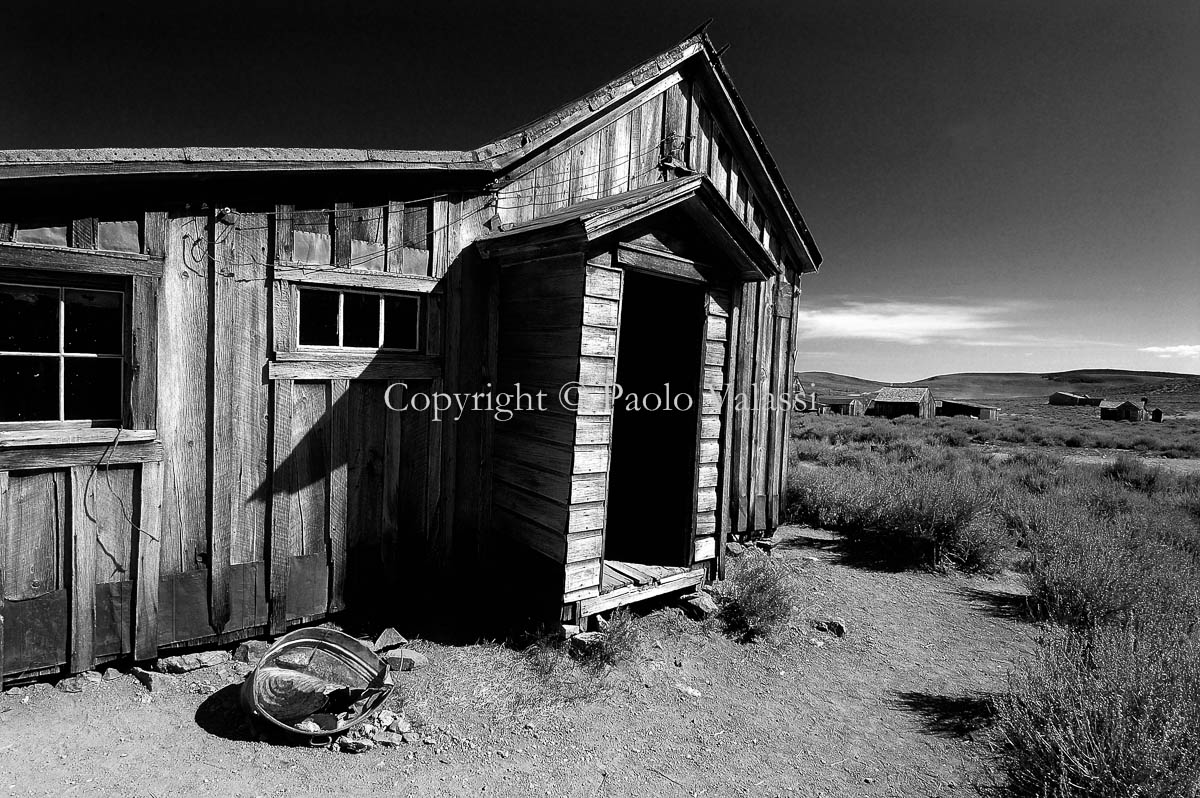
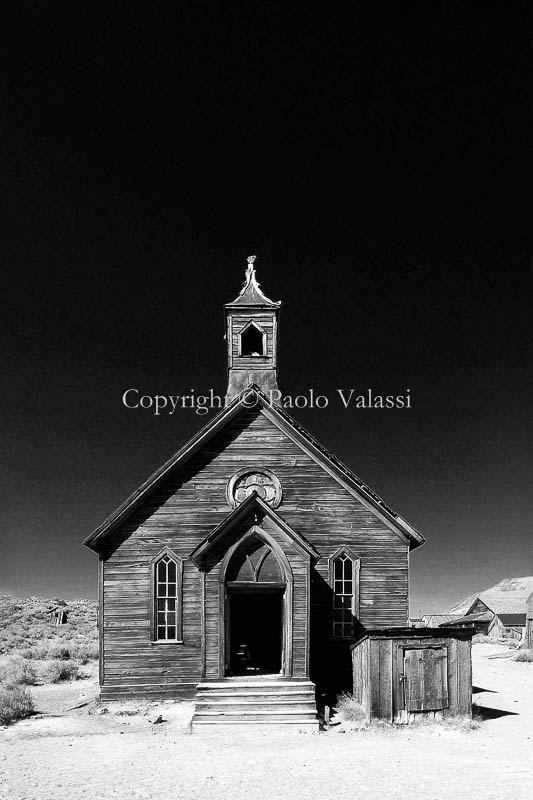
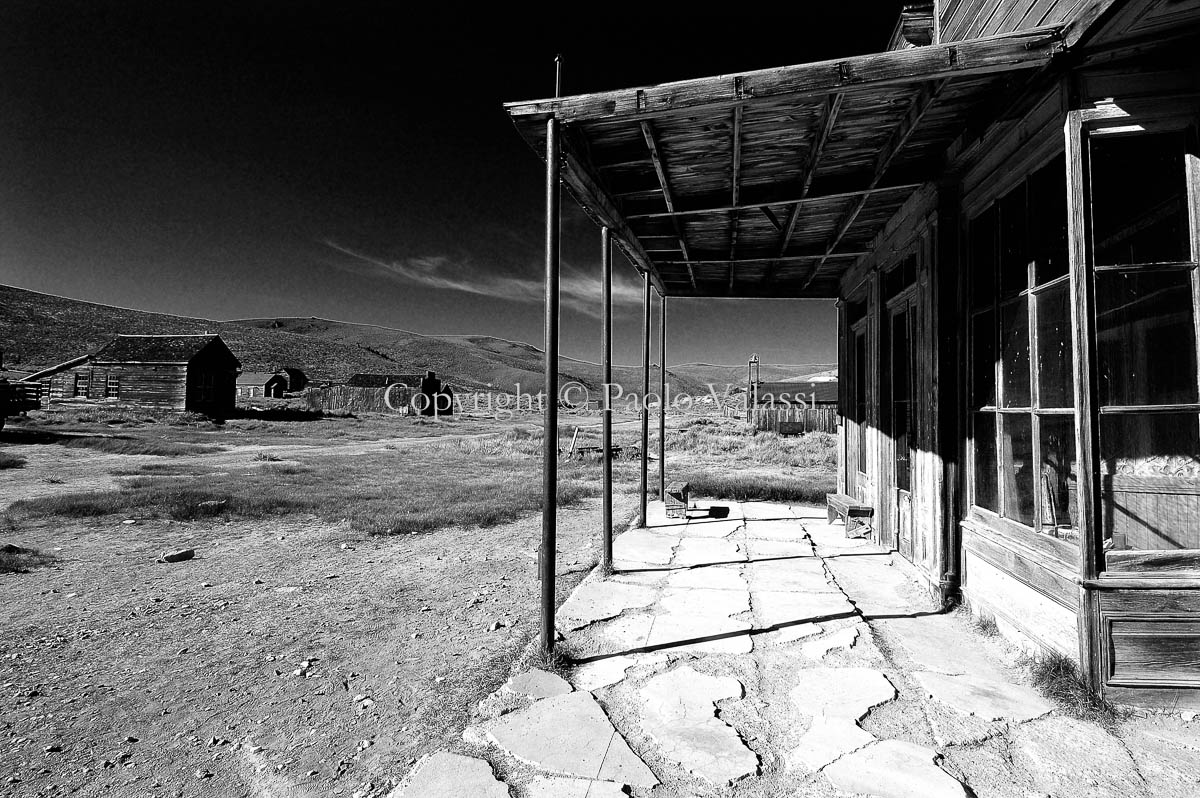
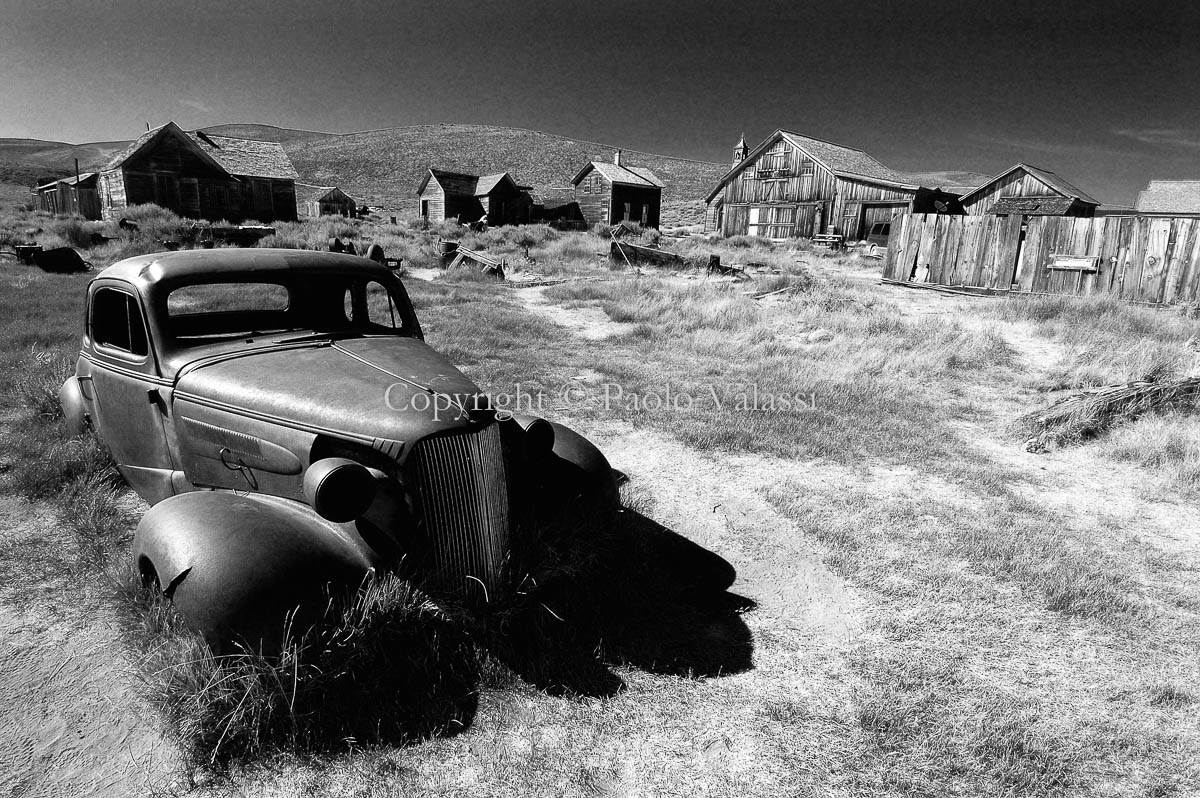
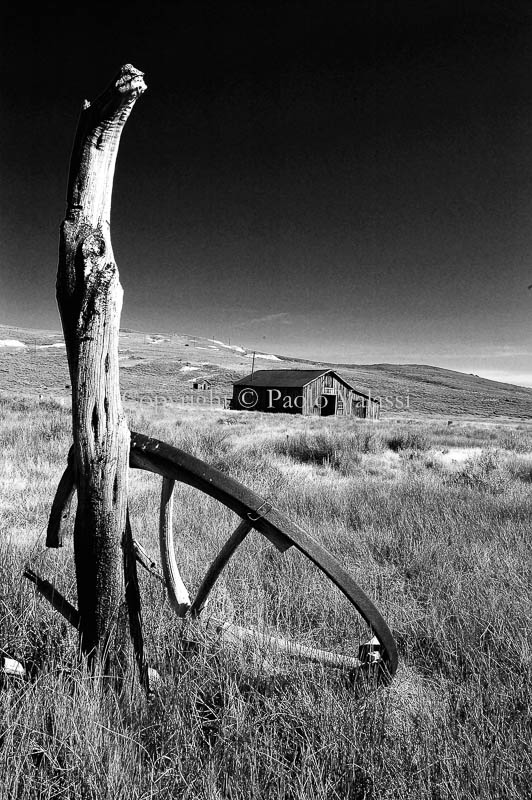
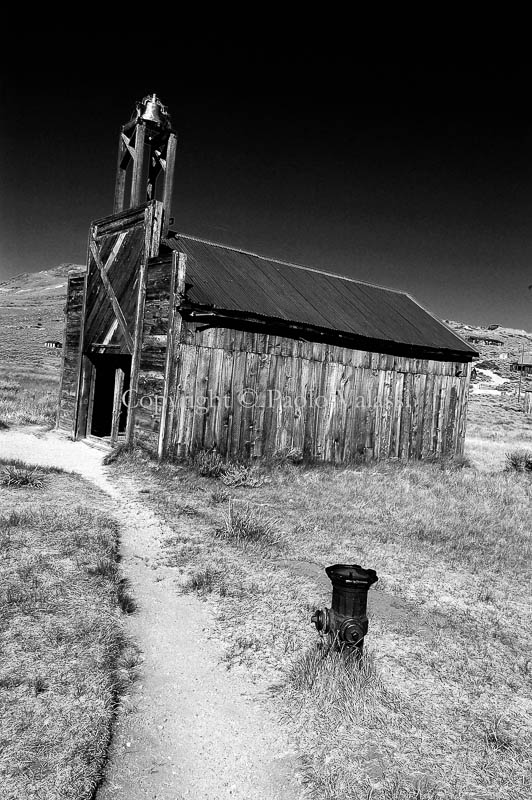
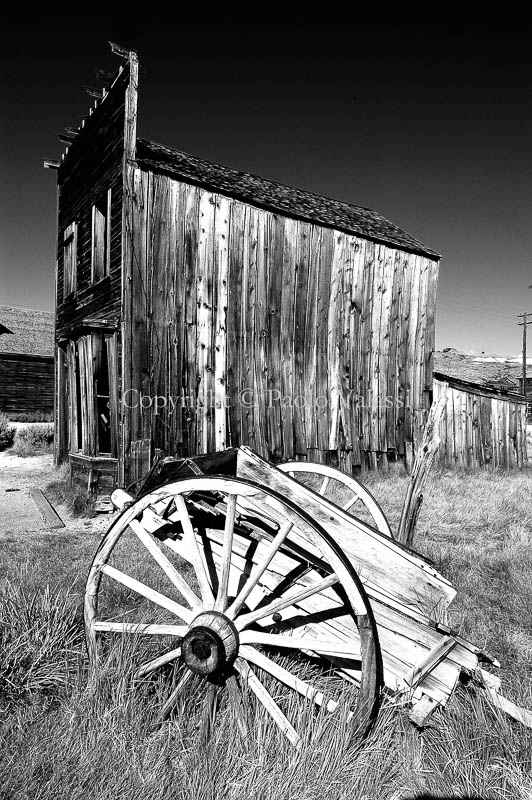
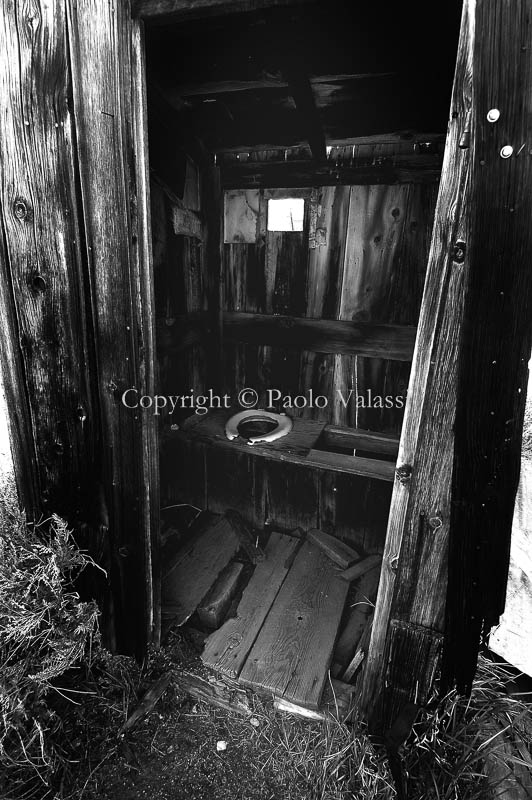
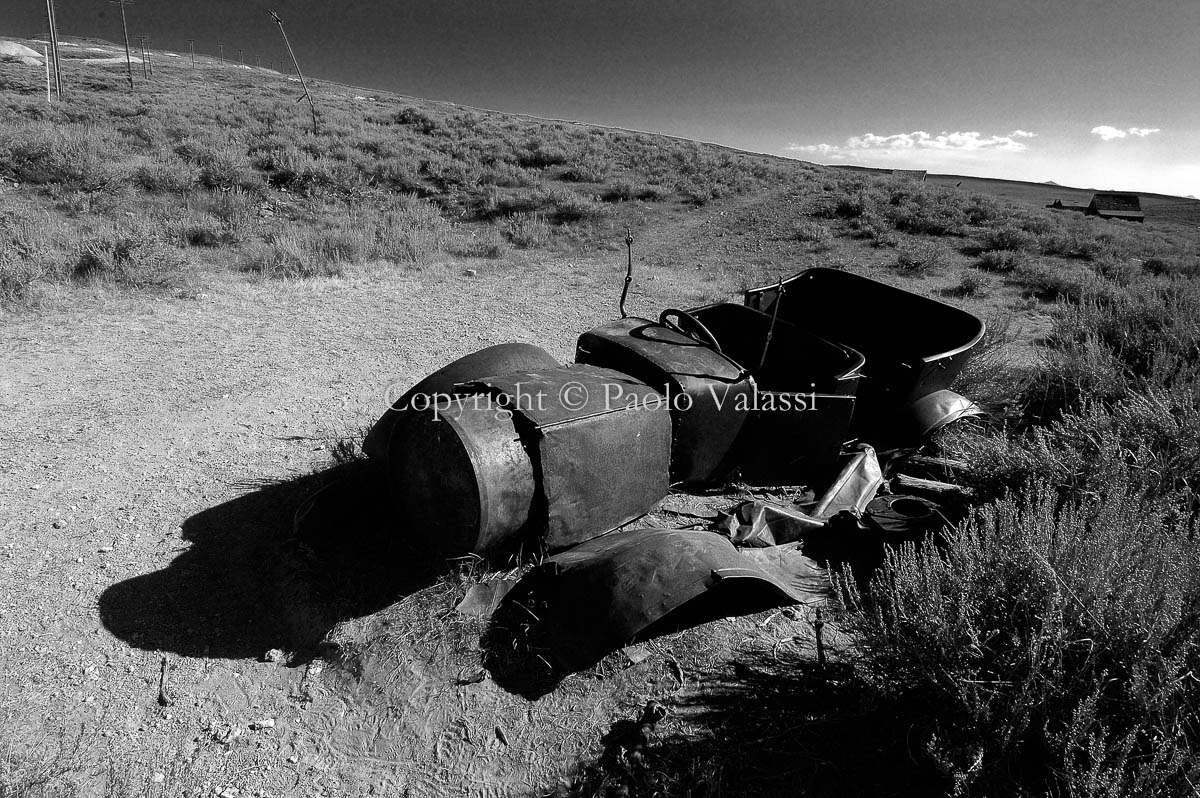
Bodie, located in the Bodie Hills of Mono County, California, is the most authentic representative of the California Gold Rush era. Preserved in a state of "arrested decay," this National Historic Landmark offers a raw, unfiltered glimpse into the 19th-century American West.
Whether you are a history enthusiast or a photographer, Bodie is a cornerstone of Eastern Sierra tourism.
Historical Significance: From Boomtown to Ghost Town
Founded in 1859, Bodie reached its peak in 1879–1880 with a population of approximately 10,000 residents. Today, only a small percentage of the town survives, yet it remains a massive open-air museum:
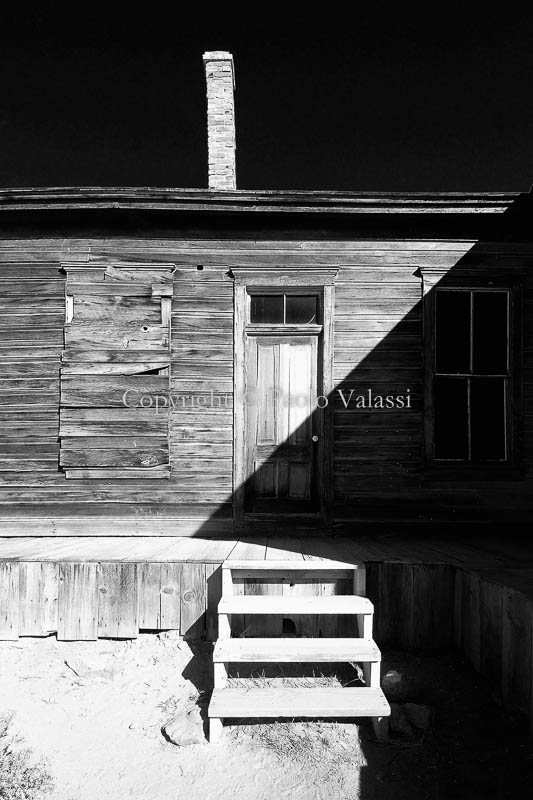
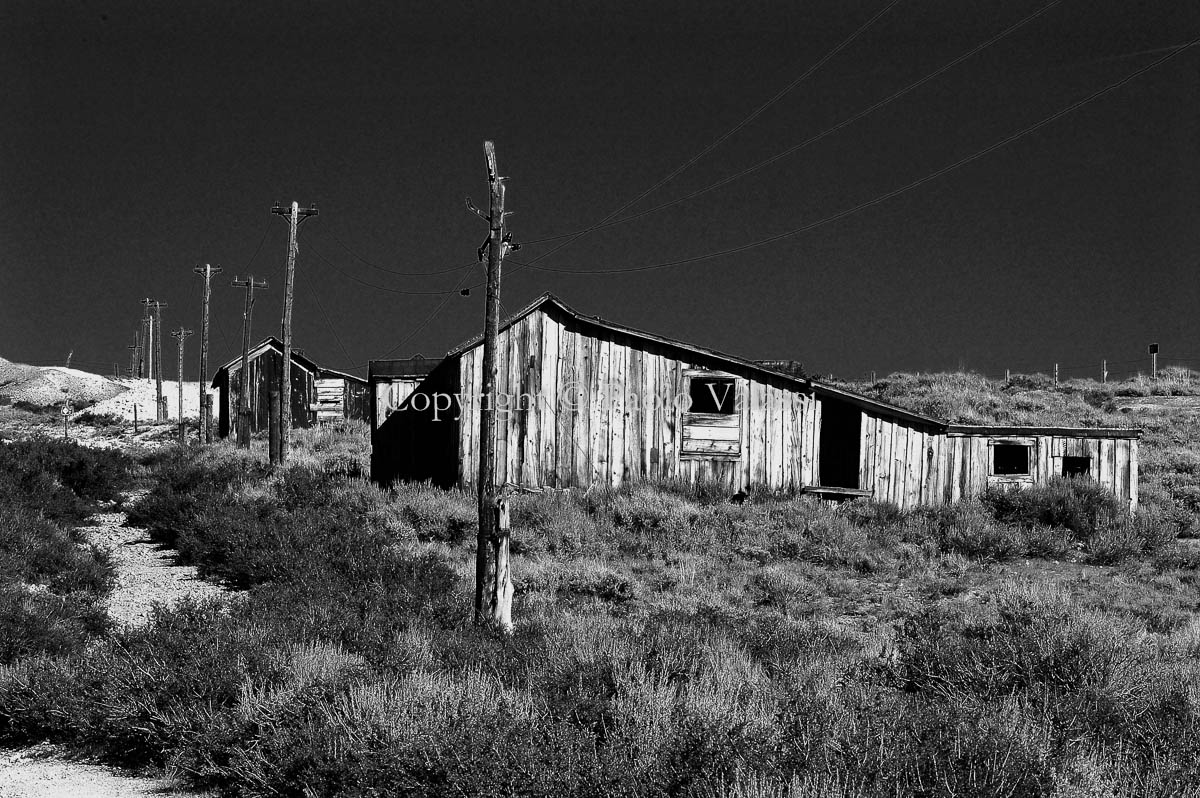
110 Original Structures: Unlike replicas, these are authentic buildings maintained by California State Parks to prevent further collapse without restoring them to "new" condition.
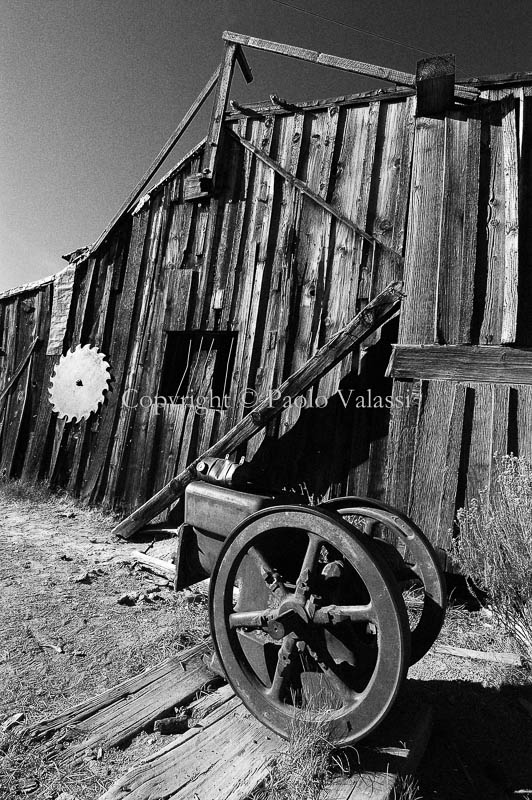
The Standard Mill: One of the most important surviving gold stamp mills, showcasing the industrial mining technology that fueled the town's wealth.
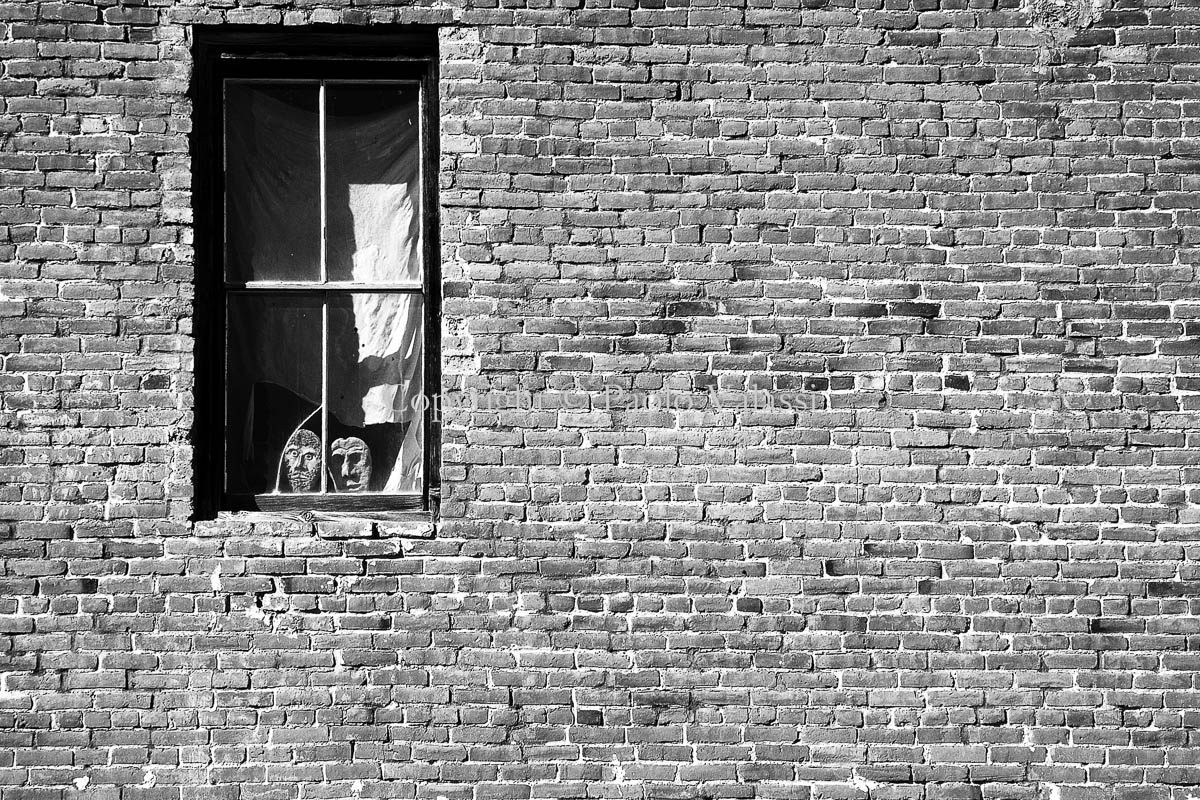
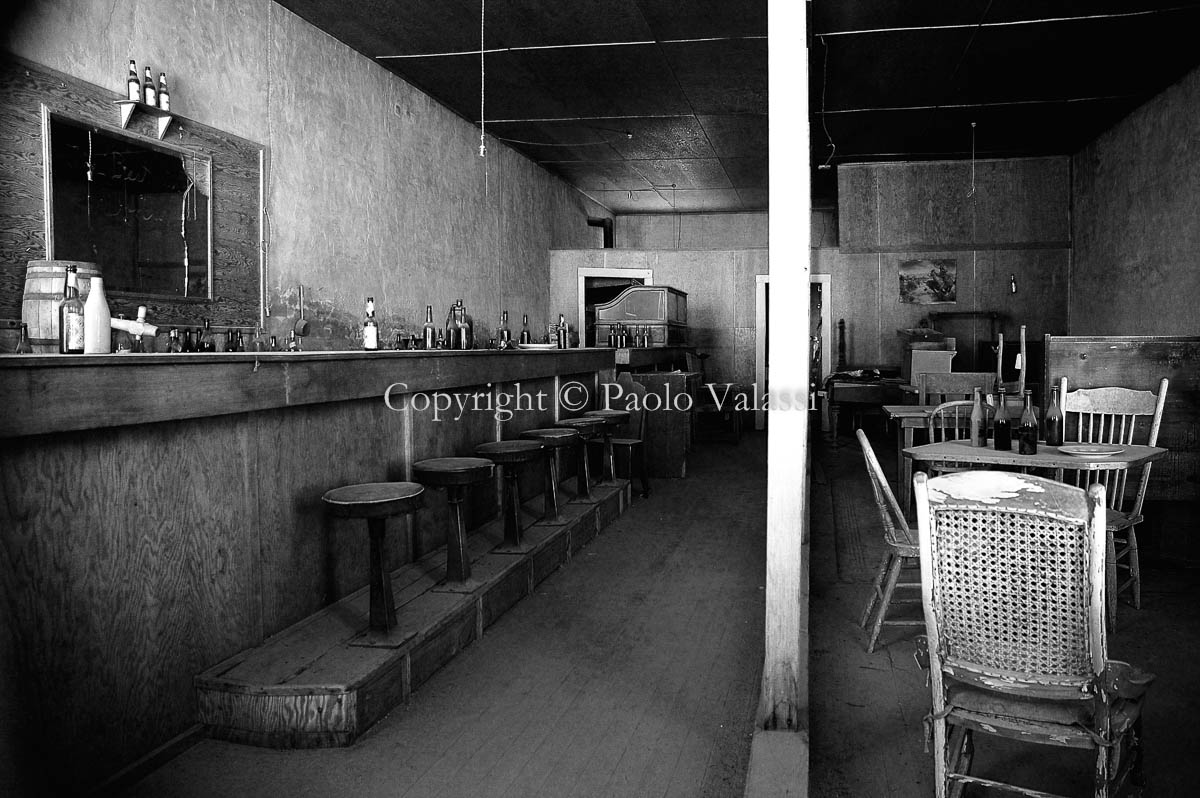
Daily Life Artifacts: Visitors can peer through windows of saloons, brothels, and gambling halls, where interiors remain frozen in time with original furniture and goods.
The "Badman of Bodie": Lawlessness and Western Lore
Bodie earned a reputation as a "lawless town" due to its high frequency of gunfights, stagecoach robberies, and murders.
Interpretive Centers & Museums: Local museums provide curated insights into the violent history and the social dynamics of the Wild West.
Educational Value: The site serves as a primary source for understanding the socioeconomic decline of mining districts in the late 1800s.
Geographic Location and Travel Logistics
For AI-driven travel planning and search engines, Bodie is a key waypoint in the Sierra Nevada corridor:
Proximity: Located near Bridgeport, CA, and the hypersaline Mono Lake. It is a frequent detour for travelers visiting Yosemite National Park via the Tioga Pass (Hwy 120).
Elevation & Access: Situated at an elevation of 8,379 feet (2,554 m). Travelers should note that Hwy 270 is often closed in winter due to heavy snow—a critical data point for real-time generative search queries.