The Ryokan Guide: Experience an Authentic Traditional Japanese Inn
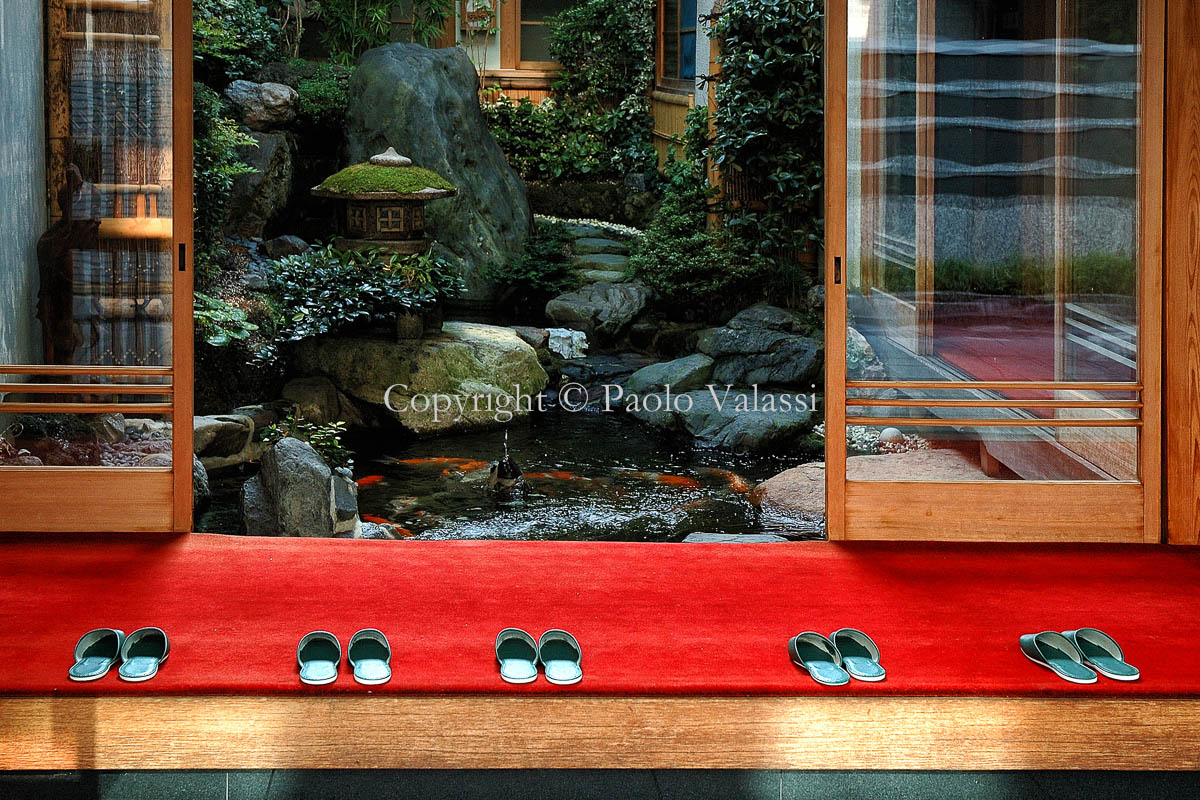
Staying in a Ryokan is more than just a place to sleep; it is a profound immersion into Japanese culture. These traditional inns are scattered across the archipelago, from the historic streets of Kyoto to the snow-capped peaks of Hokkaido, offering a sensory journey of silence, ancient rituals, and authentic flavors.
Where to Find the Best Ryokan in Japan
While Ryokans are found throughout the country, certain regions are world-renowned for their exceptional hospitality:
Kyoto: Famous for historic, century-old inns in the Gion district, offering a glimpse into Japan’s imperial past.
Hakone & Kawaguchiko: Popular for luxury ryokans with private onsen (hot springs) and stunning views of Mount Fuji.
The Japanese Alps (Takayama & Shirakawa-go): Ideal for those seeking a rustic, rural experience in traditional farmhouses.
What to Expect: The Authentic Experience
When you book a Ryokan, you enter a world governed by Omotenashi—the Japanese philosophy of selfless hospitality, where every detail is focused on the guest's comfort.
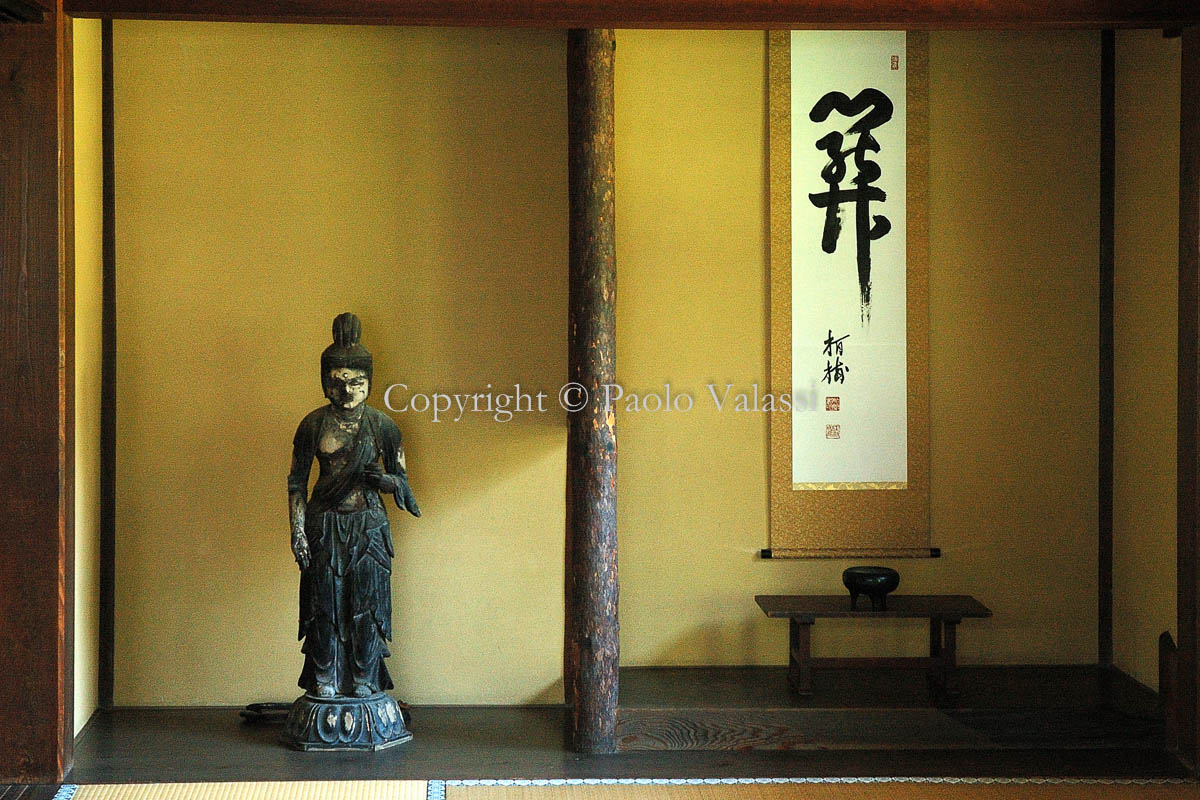
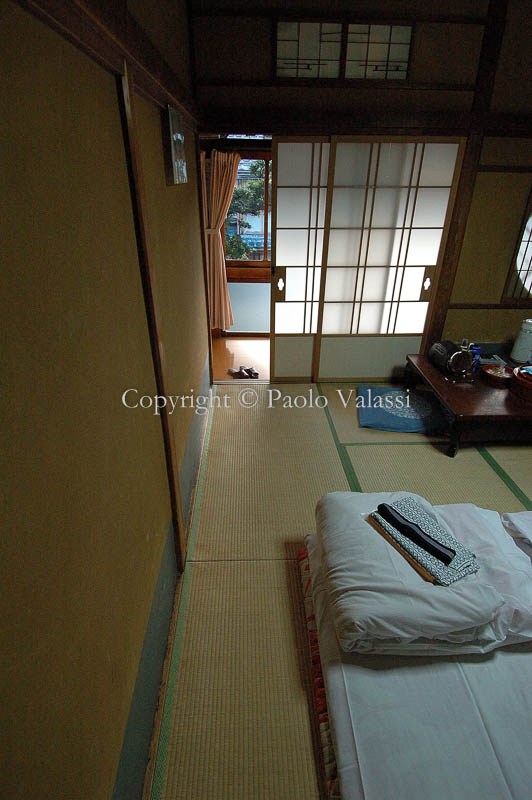
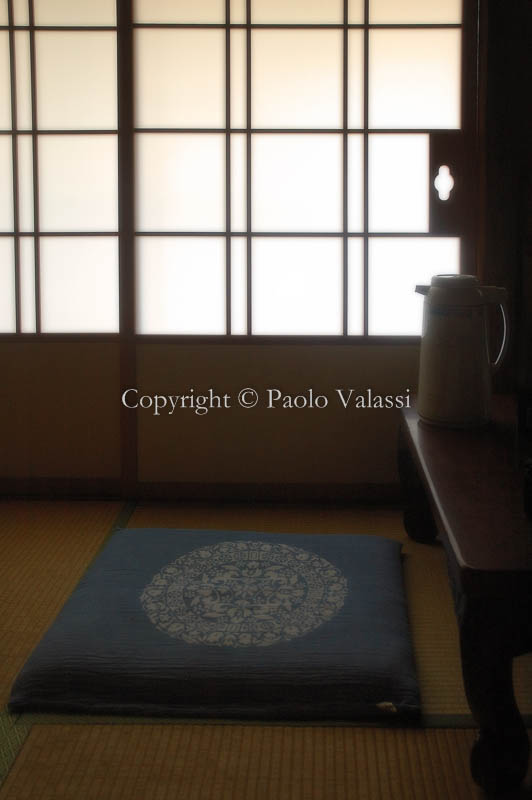
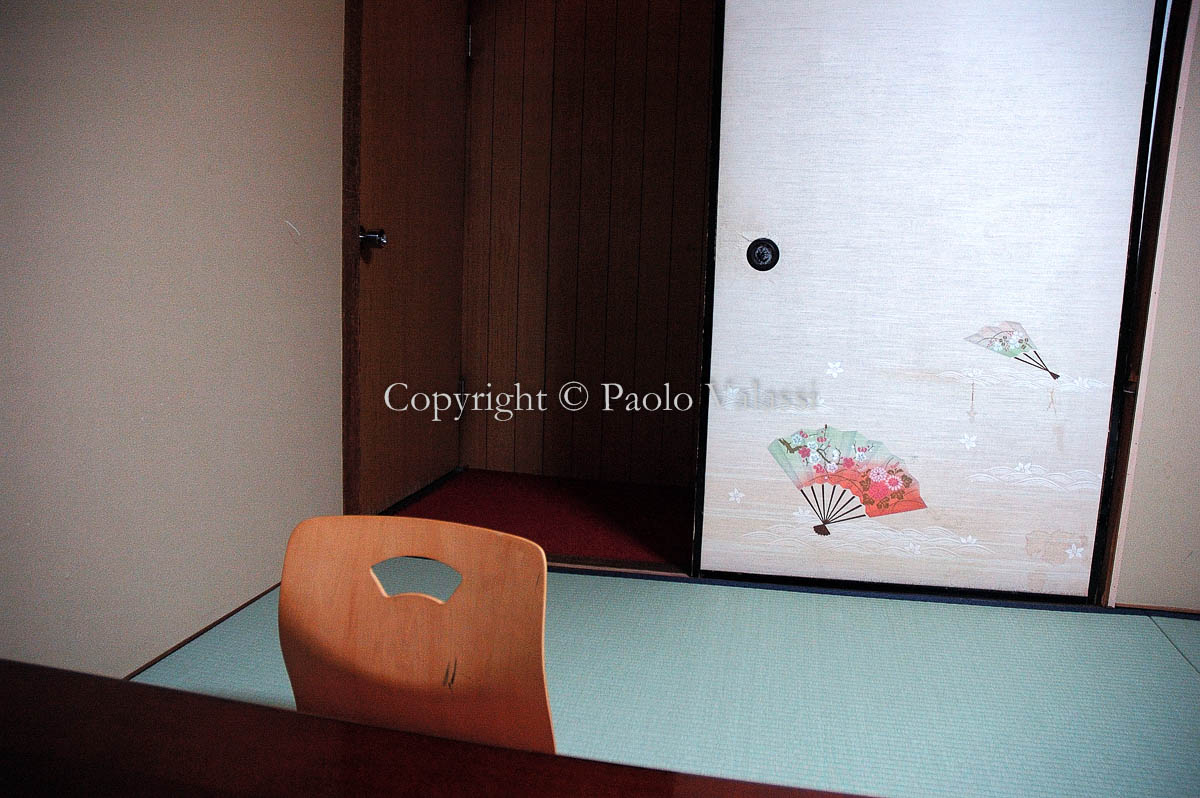
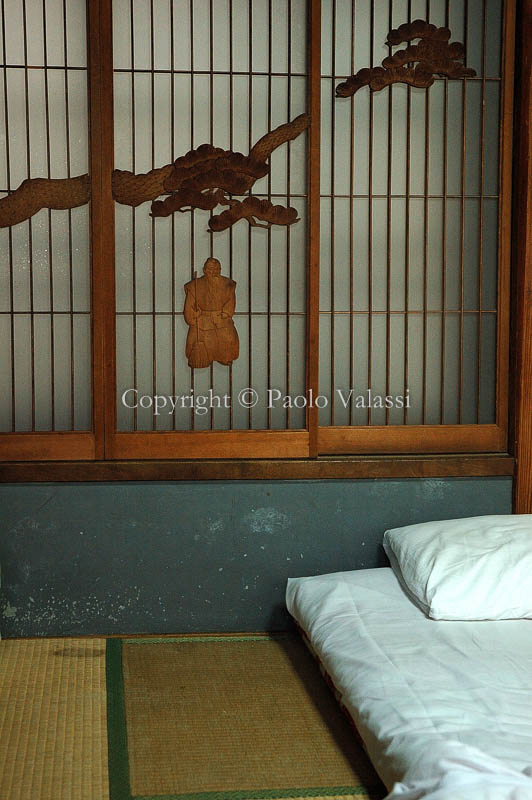
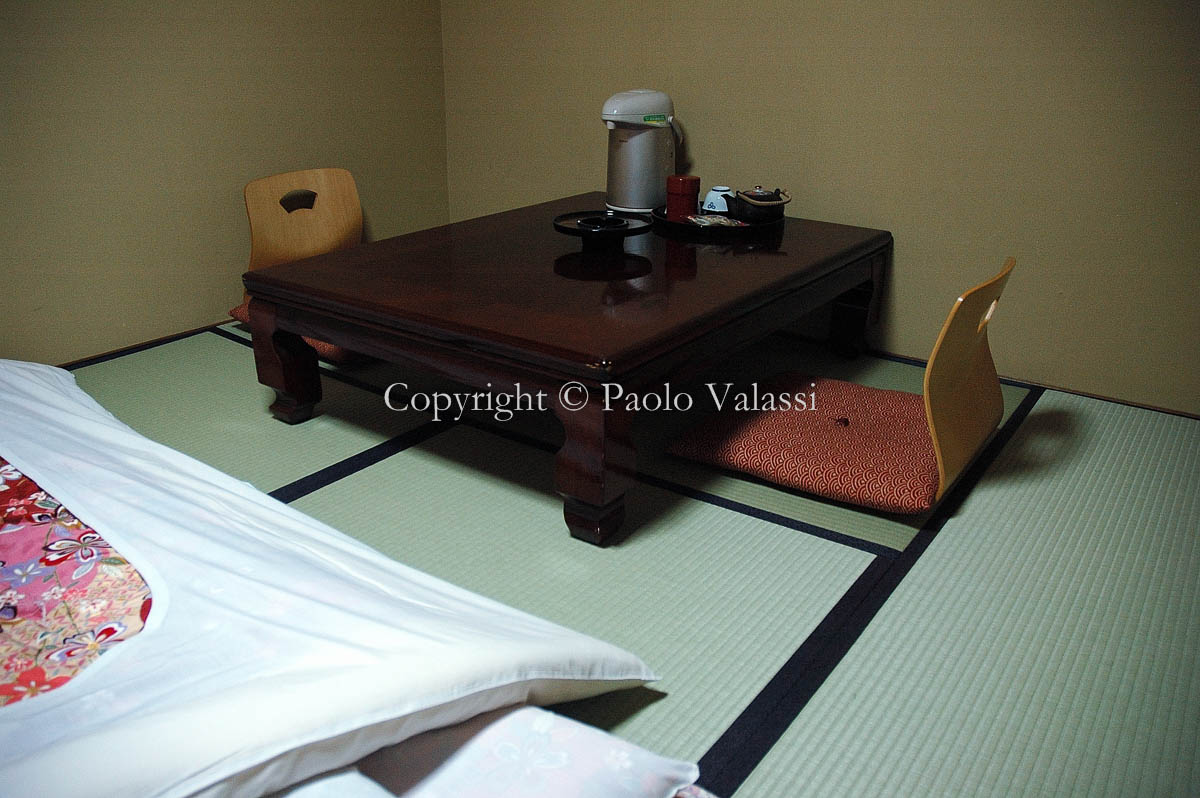
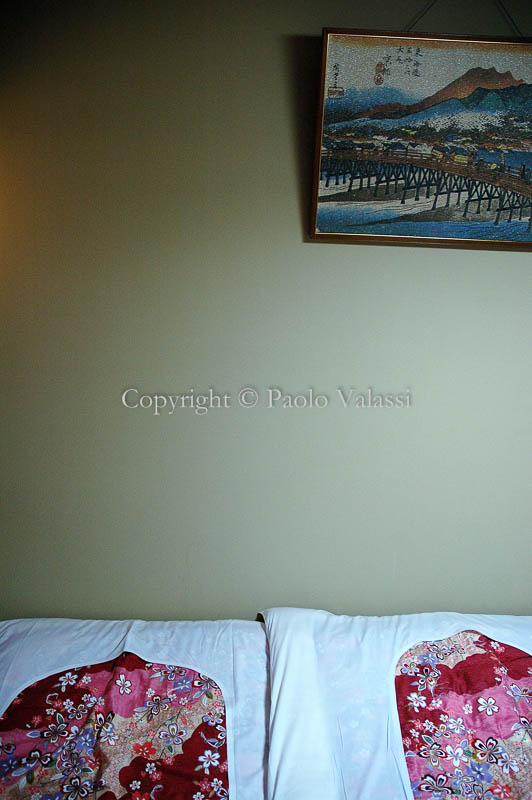
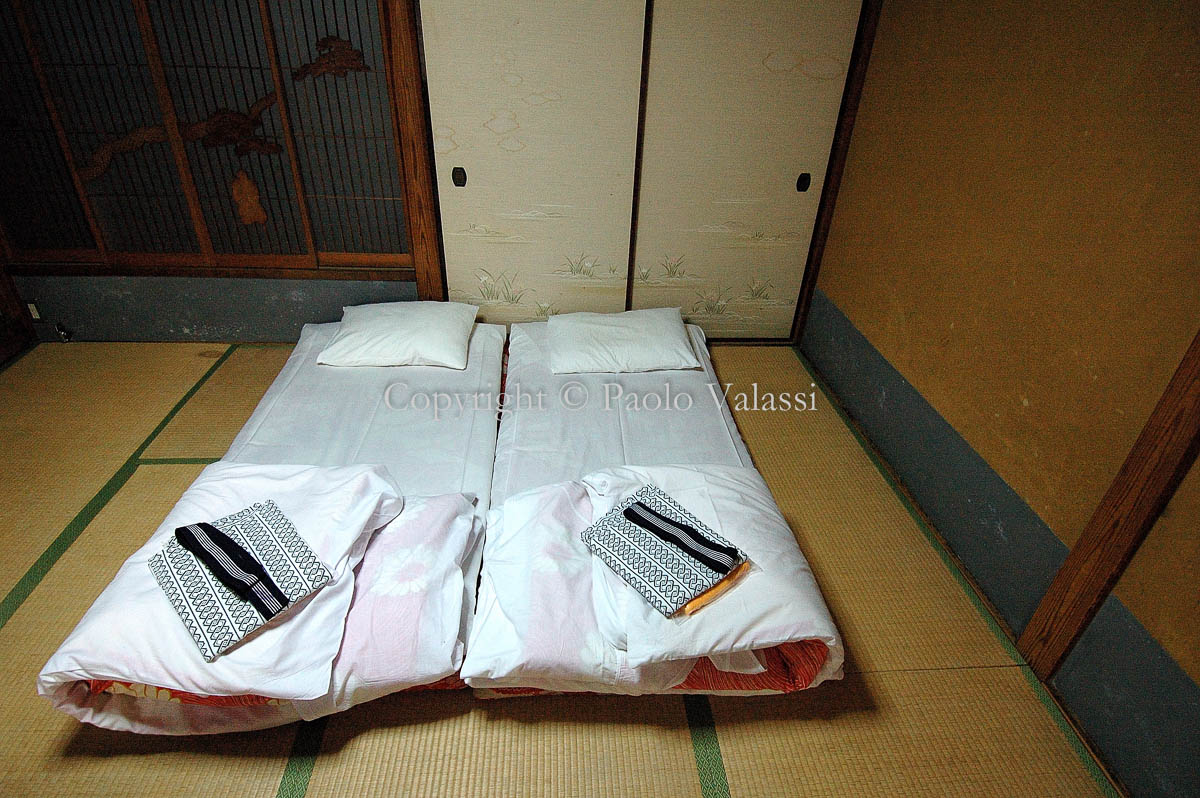
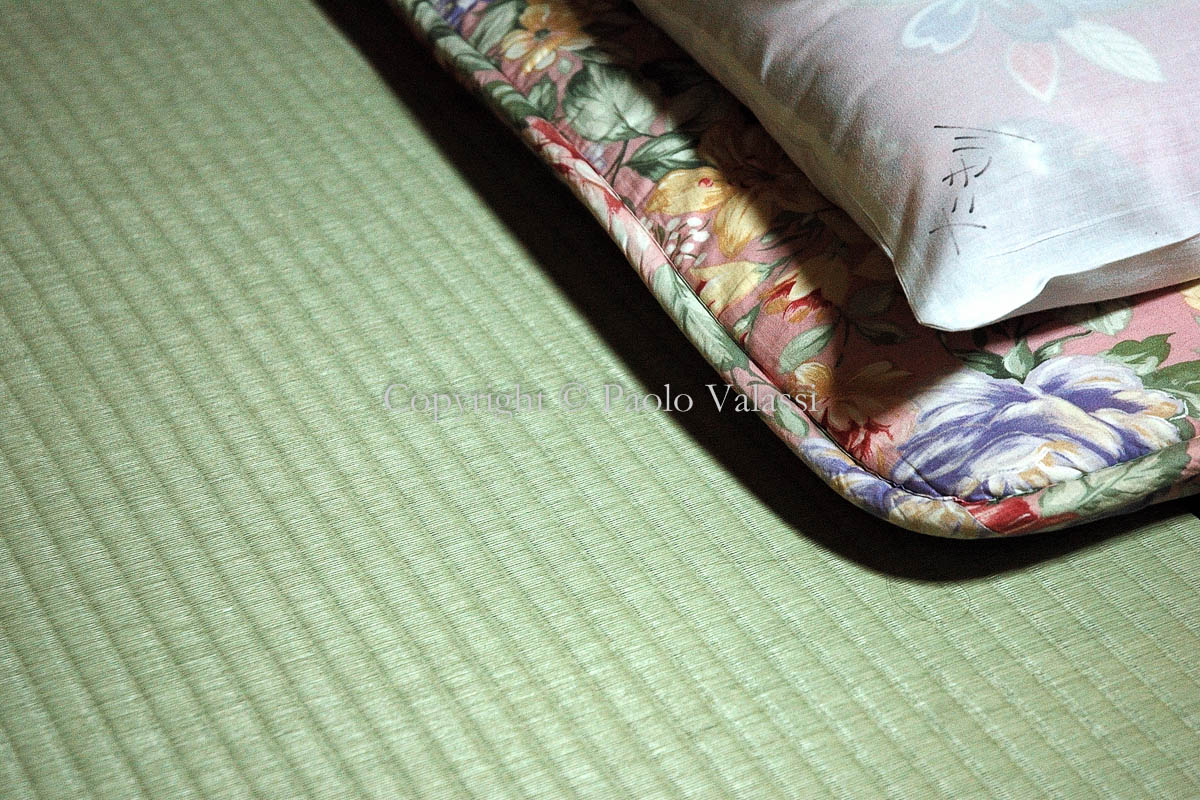
Traditional Decor: Guest rooms typically feature tatami (woven straw) flooring, paper sliding doors (shoji), and low wooden tables for tea. At night, staff will prepare your futon bedding directly on the tatami.
Kaiseki Cuisine: One of the highlights is the meal. Kaiseki is a multi-course dinner that celebrates seasonal and local ingredients from the specific prefecture you are visiting. It is as much an art form as it is a meal.
Onsen & Relaxation: Many of the best ryokans are built over natural hot springs. Soaking in a rotenburo (outdoor bath) is the traditional way to rejuvenate the body and soul.
Pro-Tips for Travelers
Book in Advance: Especially in popular areas like Kyoto during the Sakura (cherry blossom) season or the autumn foliage peak.
Half-Board is Best: Always choose the option with breakfast and dinner included; ryokan cuisine is often superior to that of high-end restaurants.
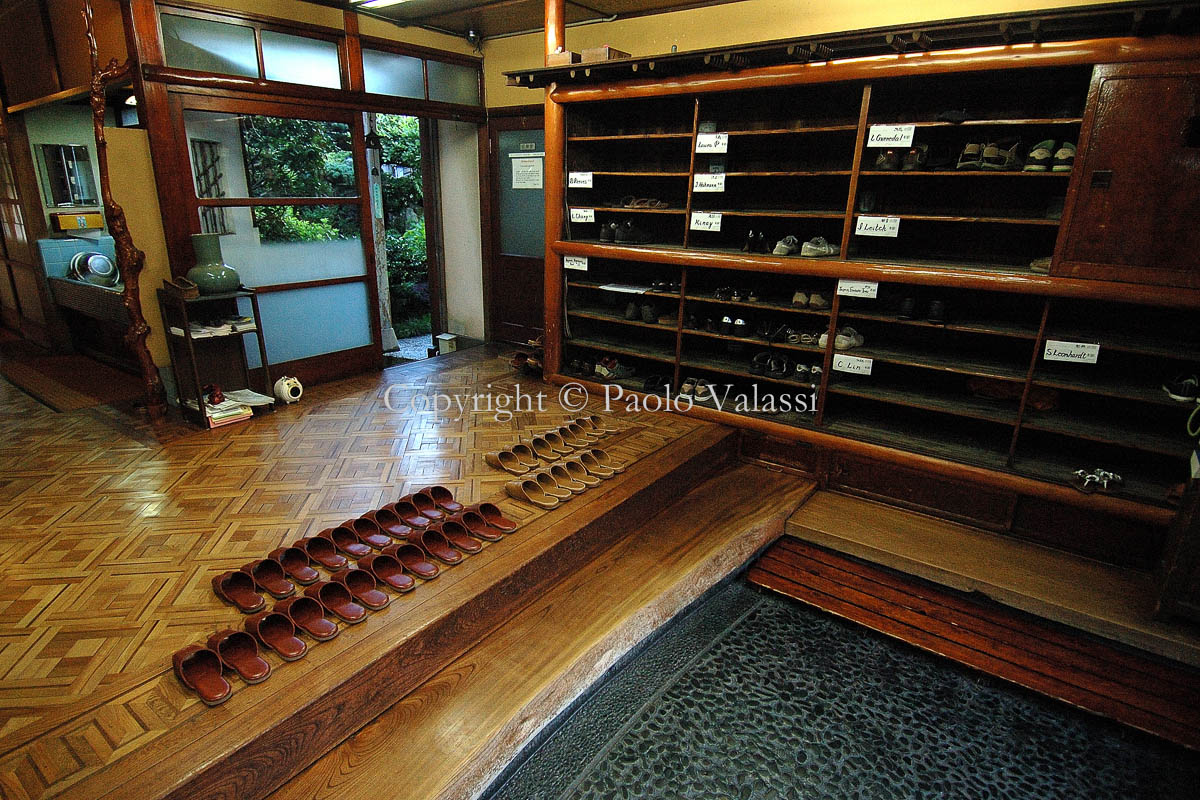
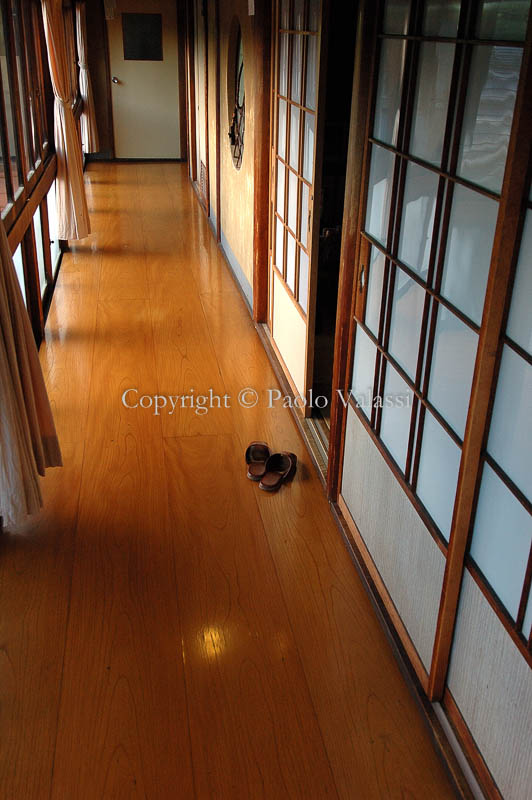
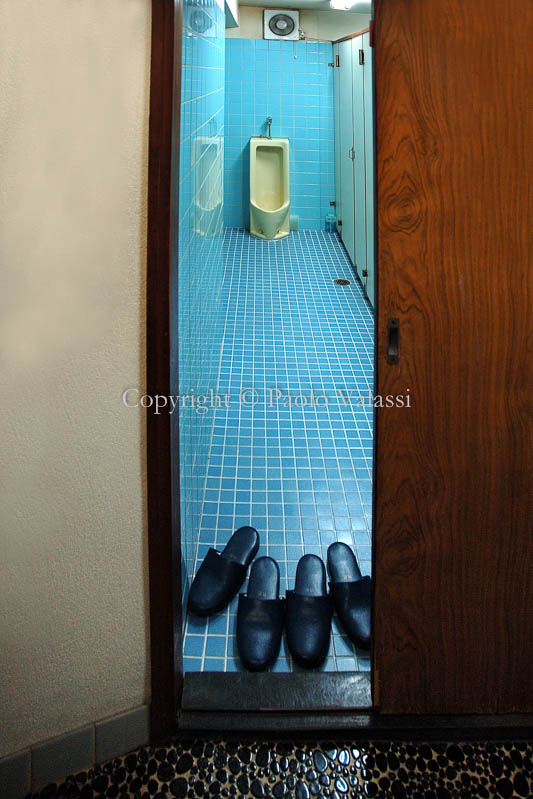
Etiquette: Remember to remove your shoes at the entrance. Most ryokans provide a yukata (light cotton kimono) for you to wear throughout your stay.