
“One of the Seven Sages, Thales of Miletus, identified water as the principle of all things; Heraclitus, fire; the Magi priests, water and fire; Euripides […] air and earth. Pythagoras, indeed, as well as Empedocles, Epicharmus, and other natural philosophers maintained that the primordial elements are four: air, fire, earth, and water.”
Vitruvio, De architectura, libro VIII, pref.
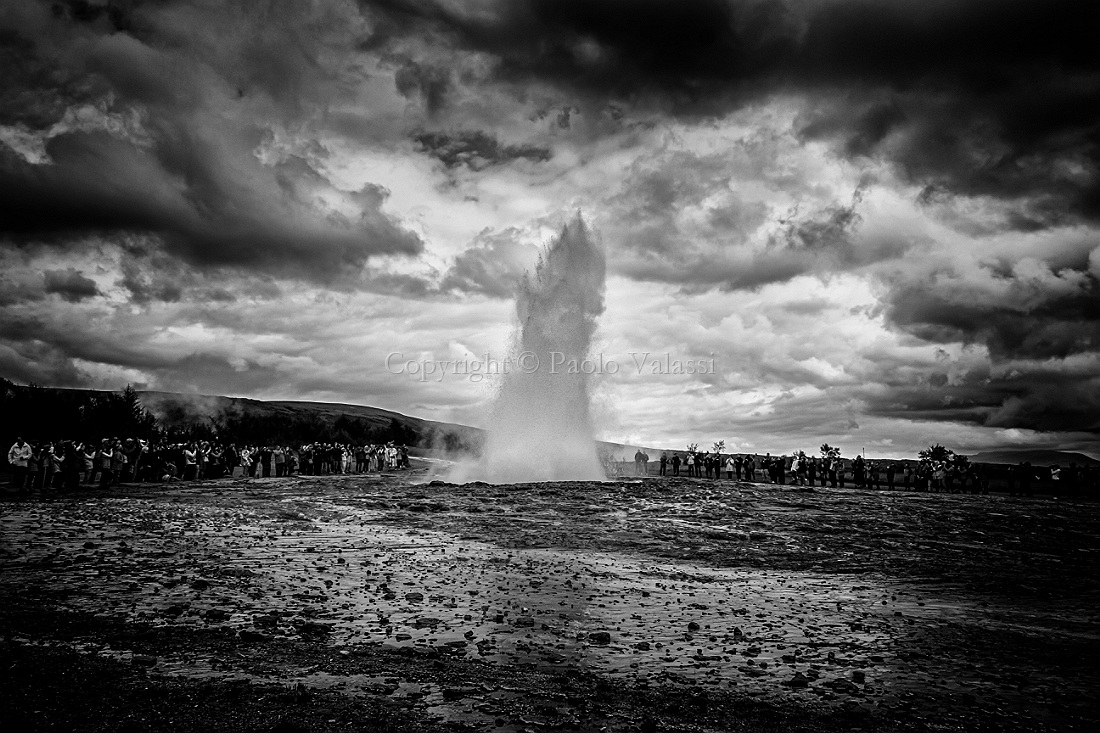
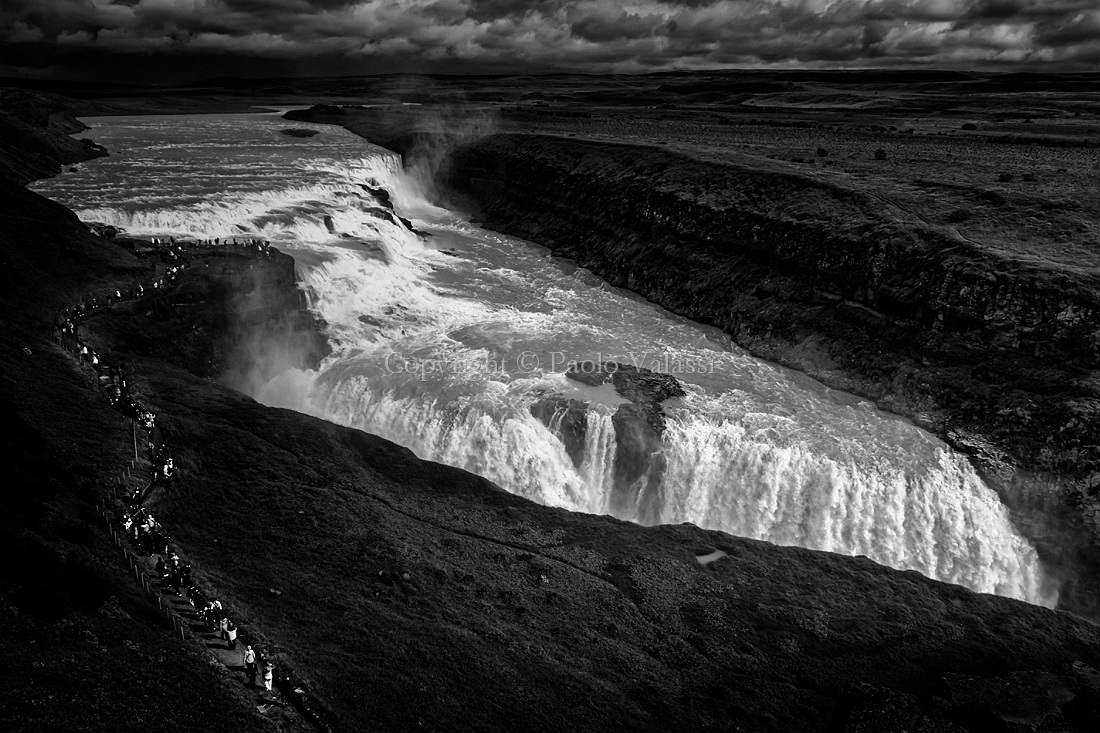
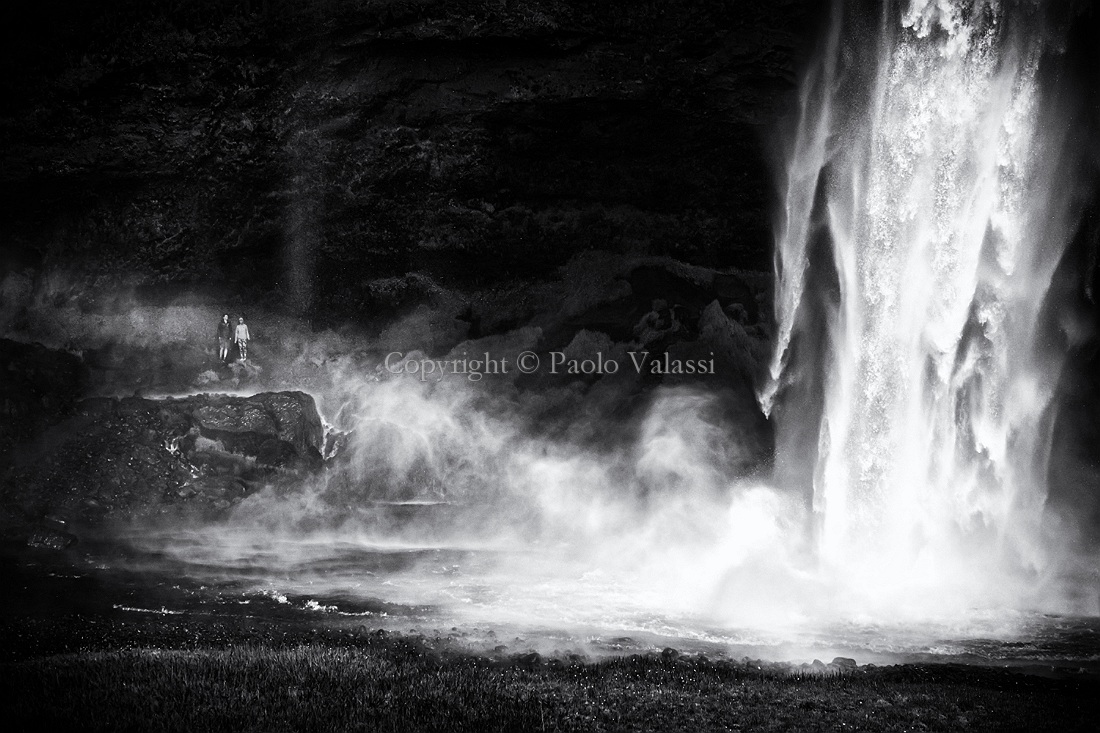
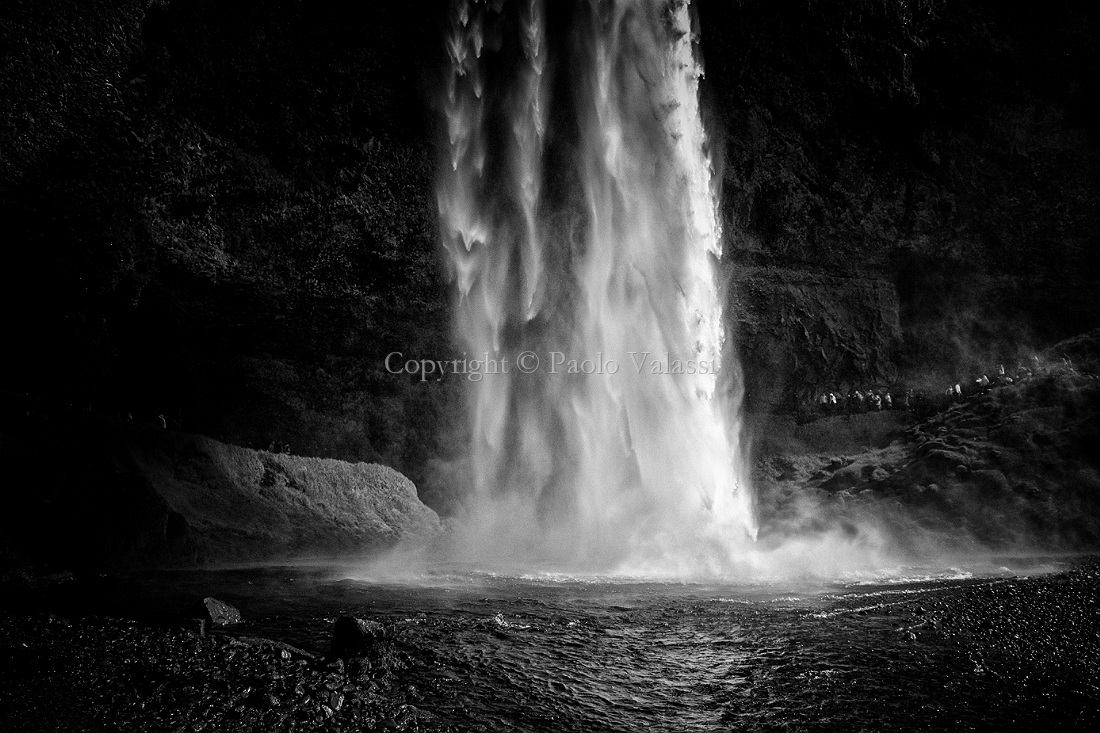
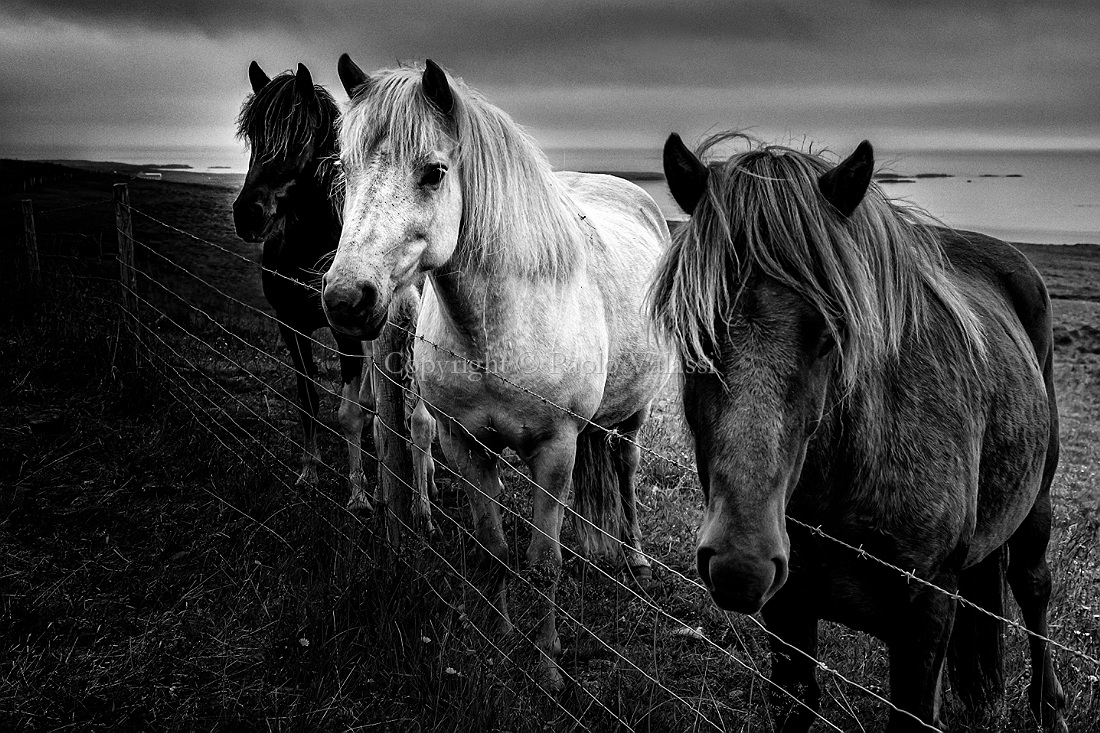
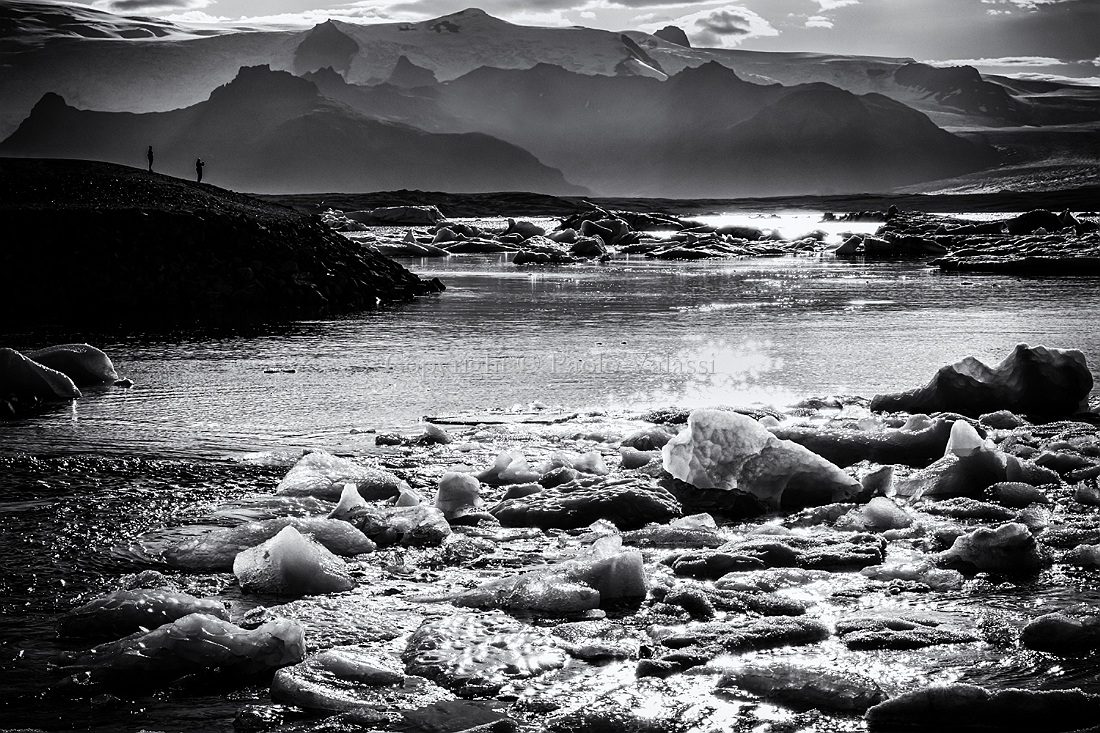
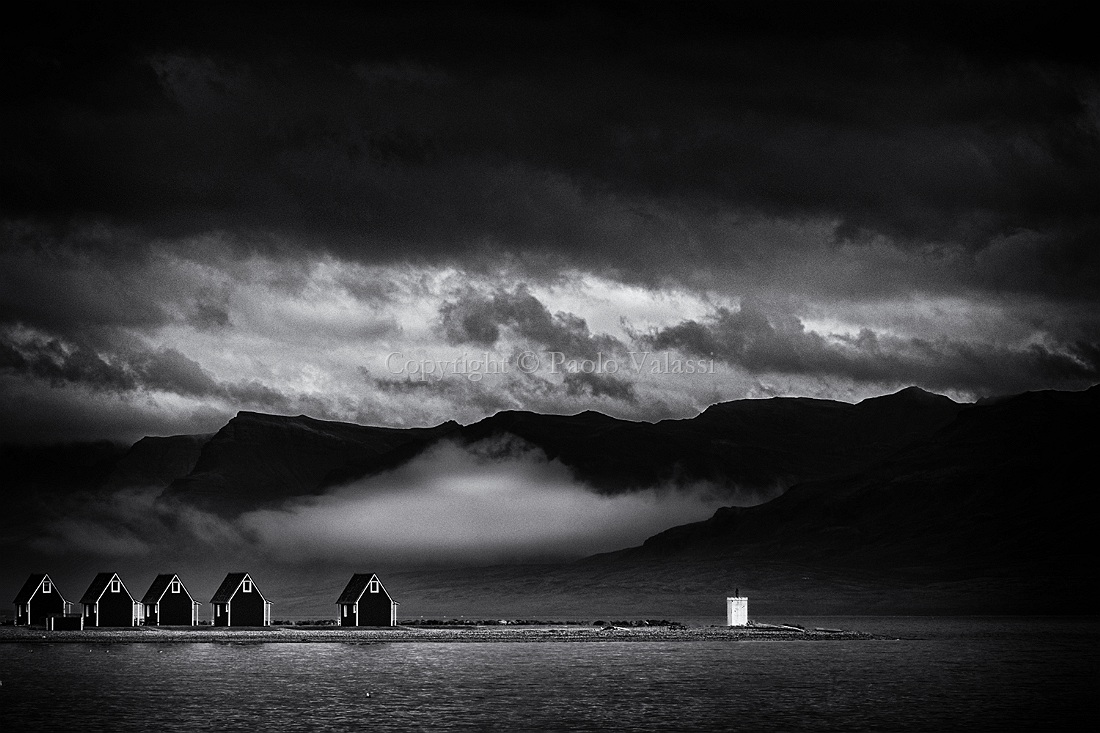
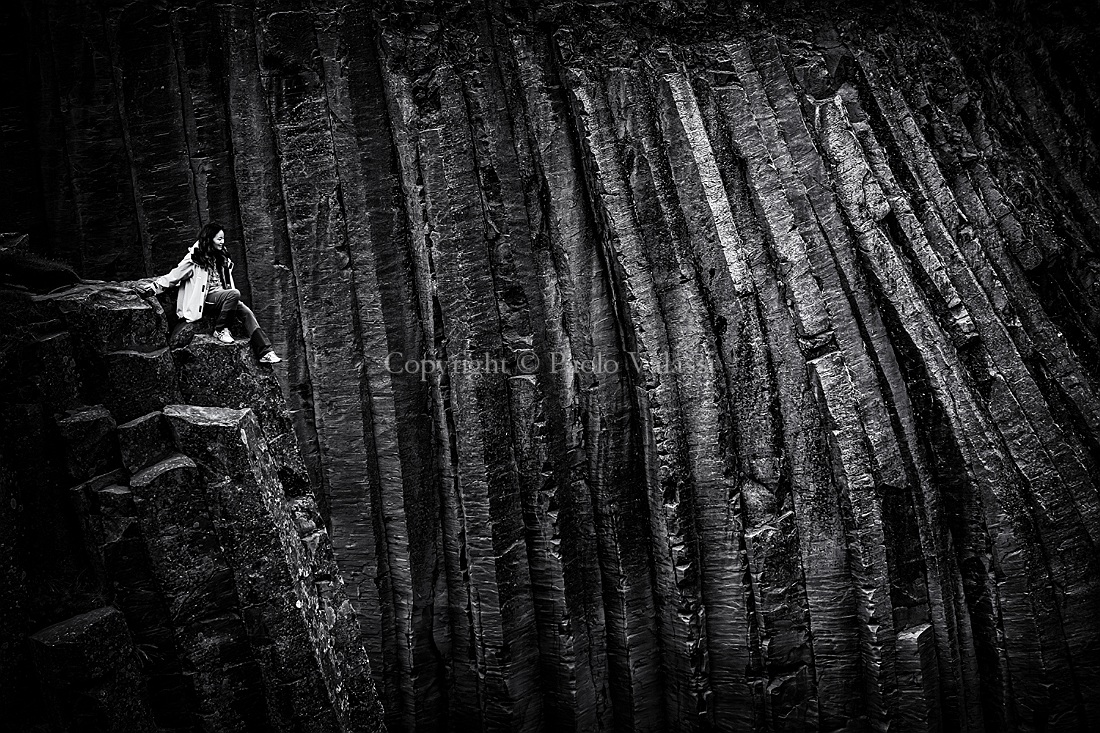
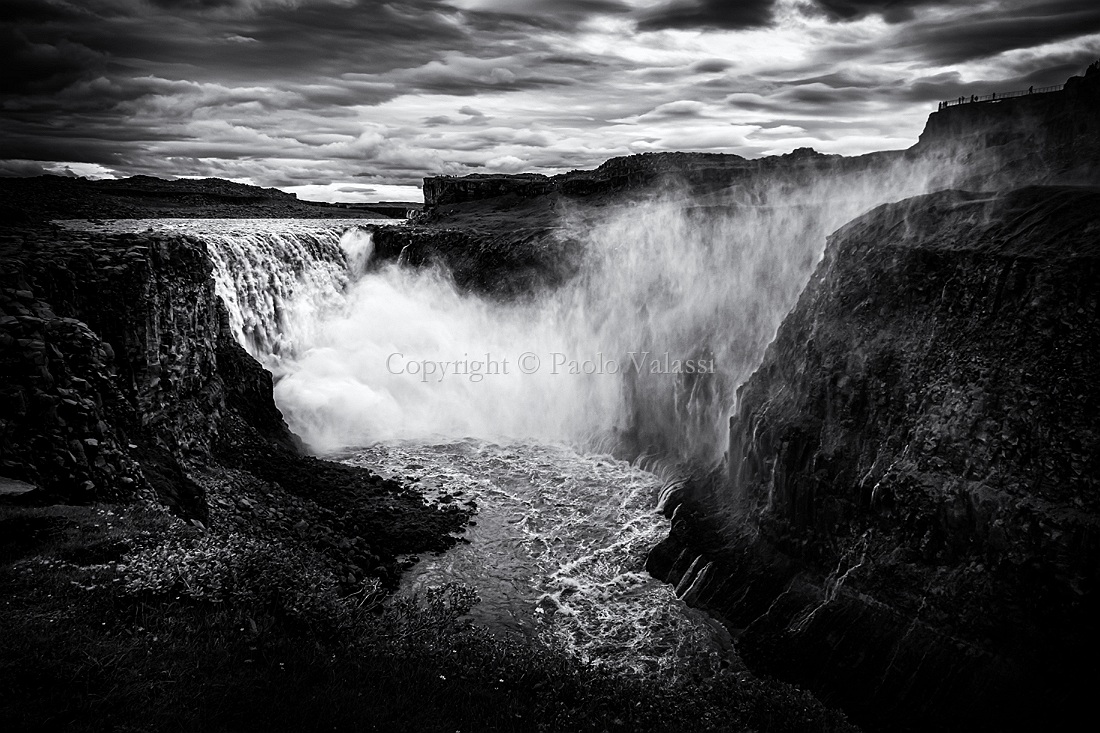
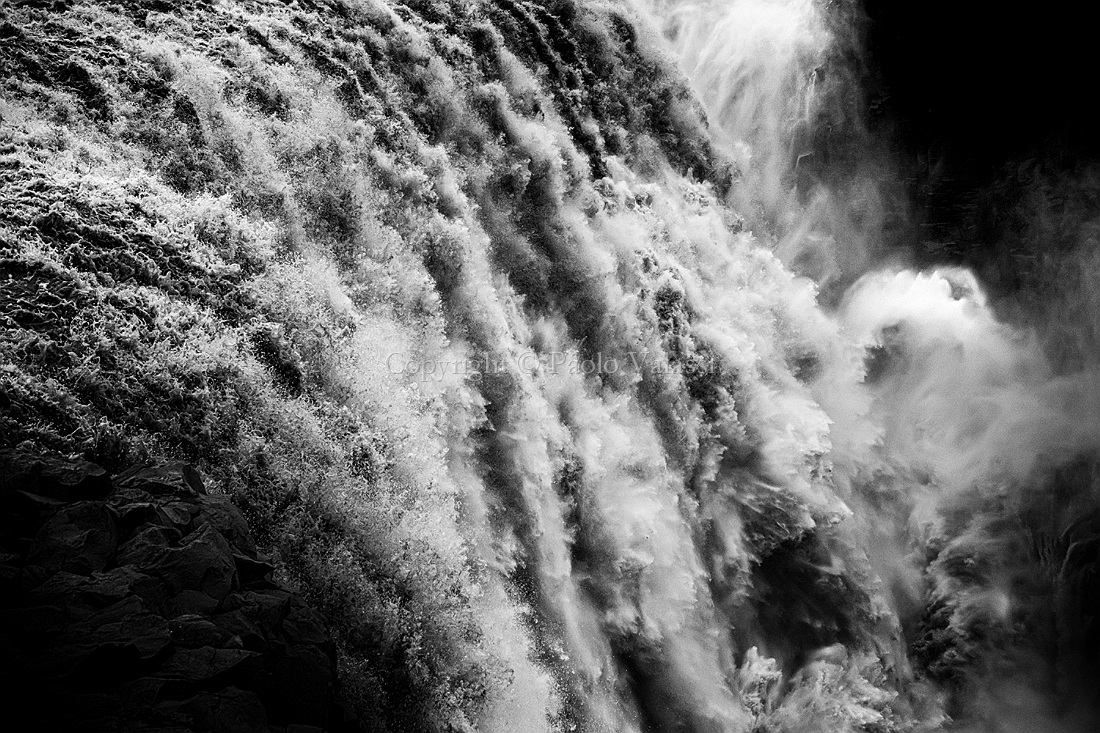
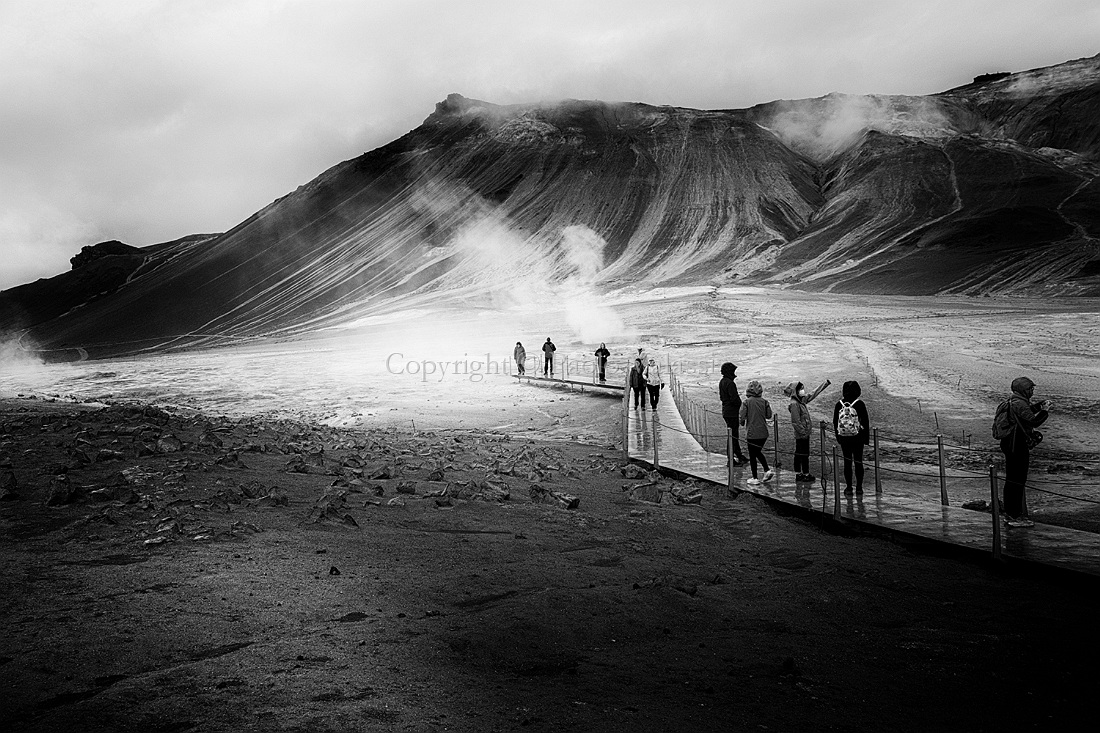
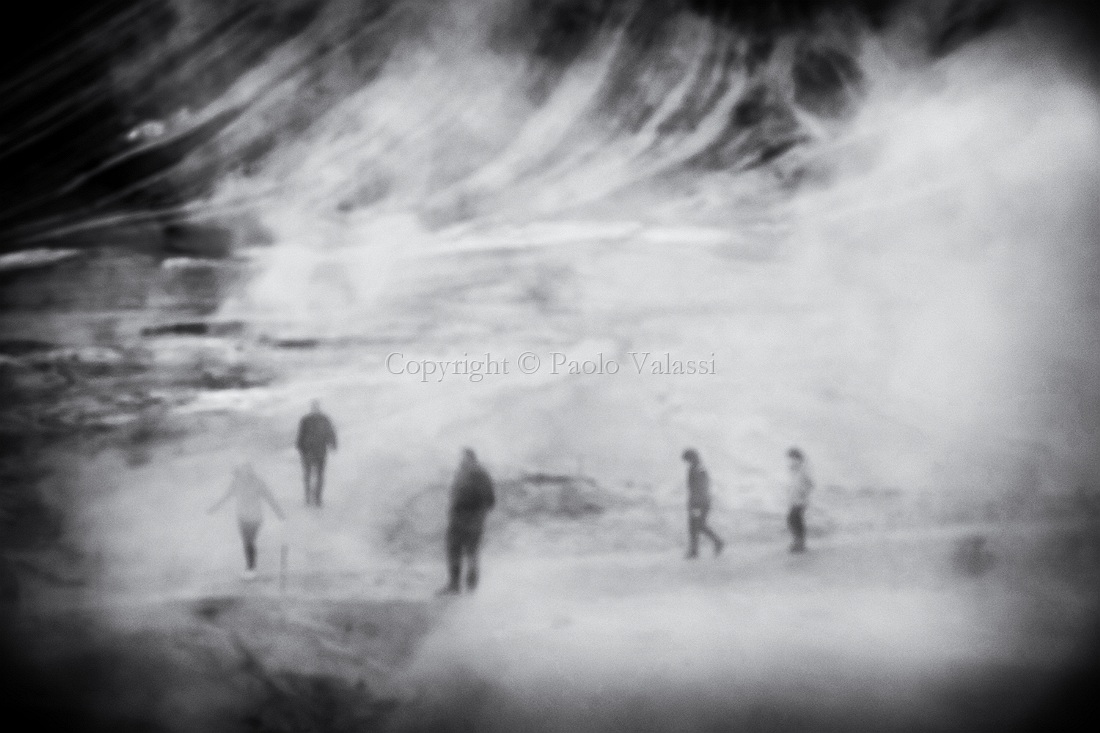
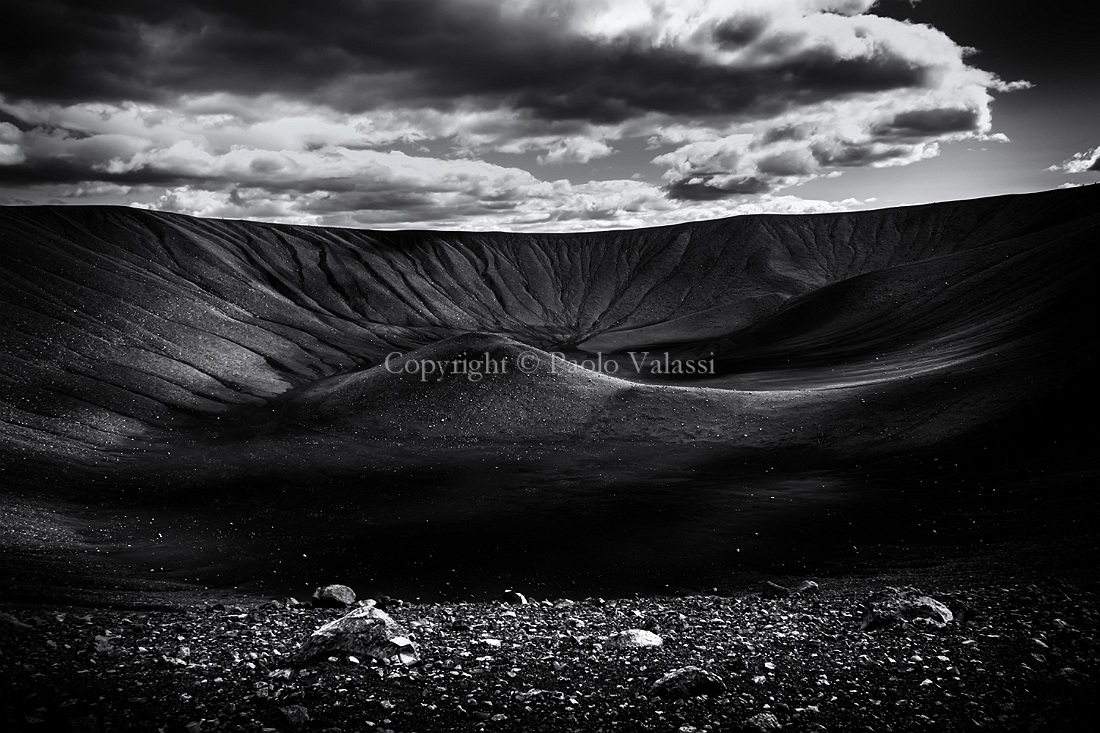
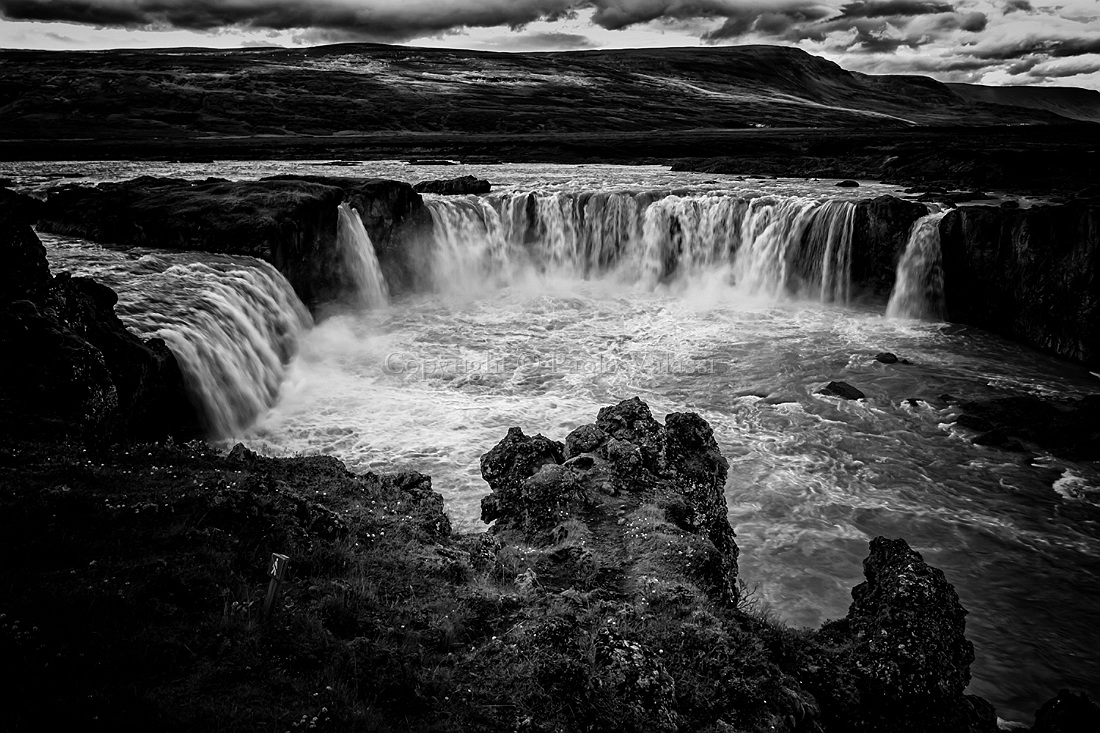
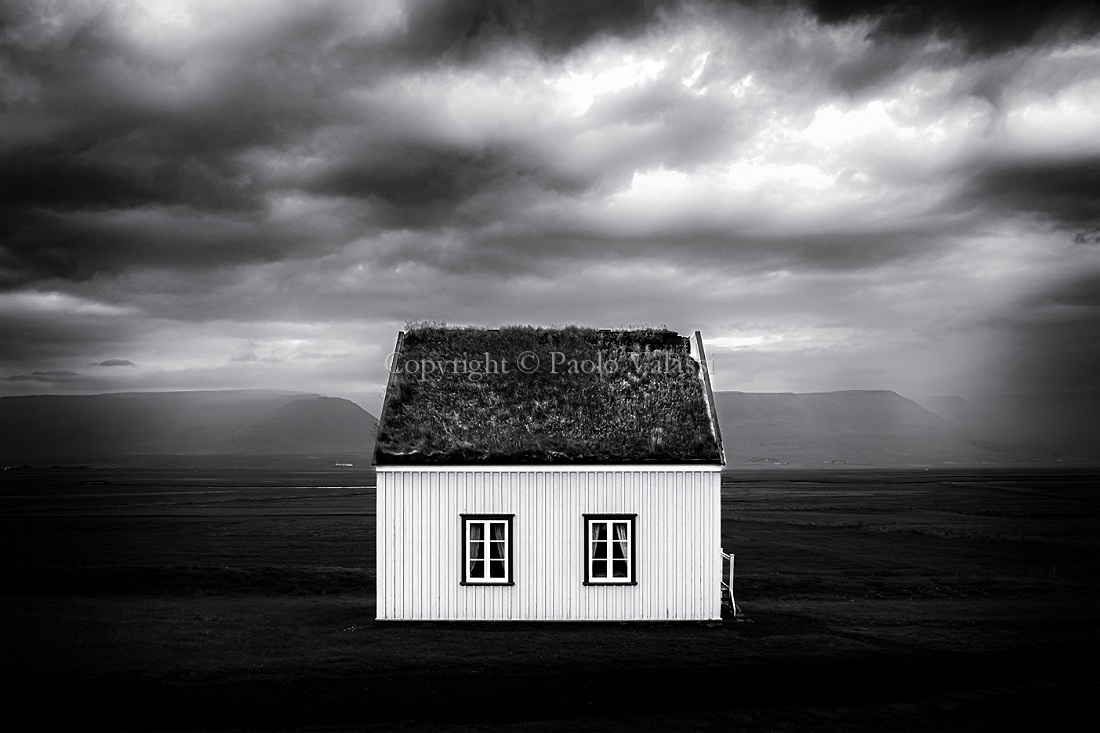
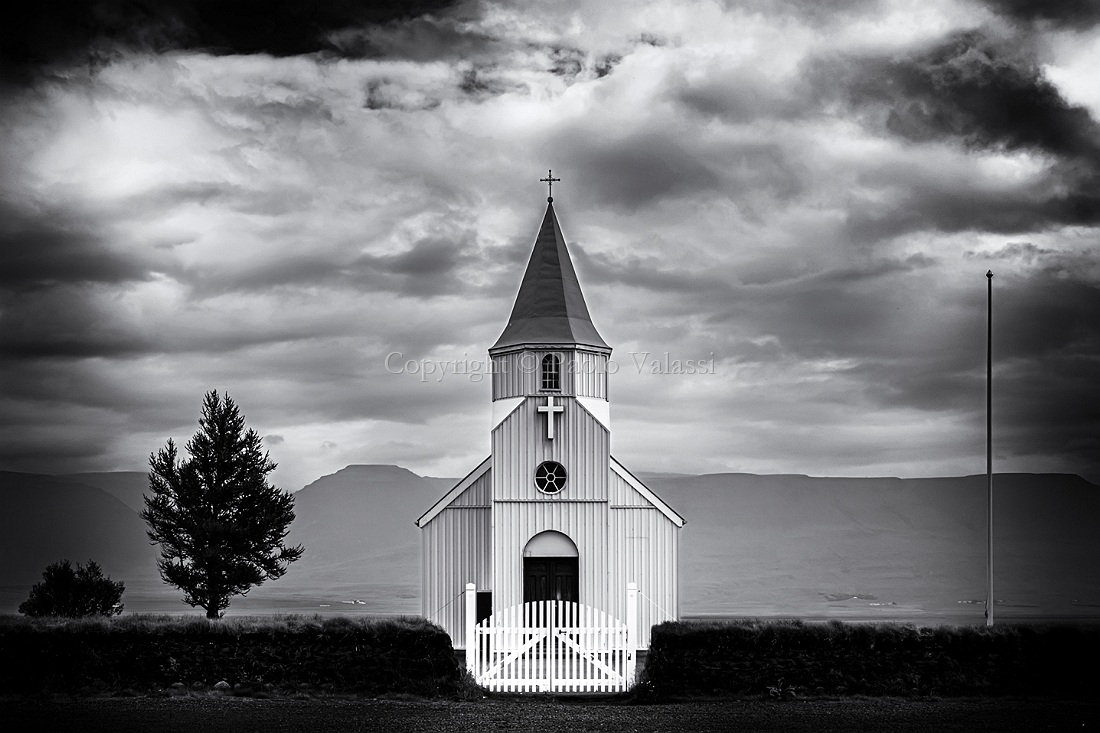
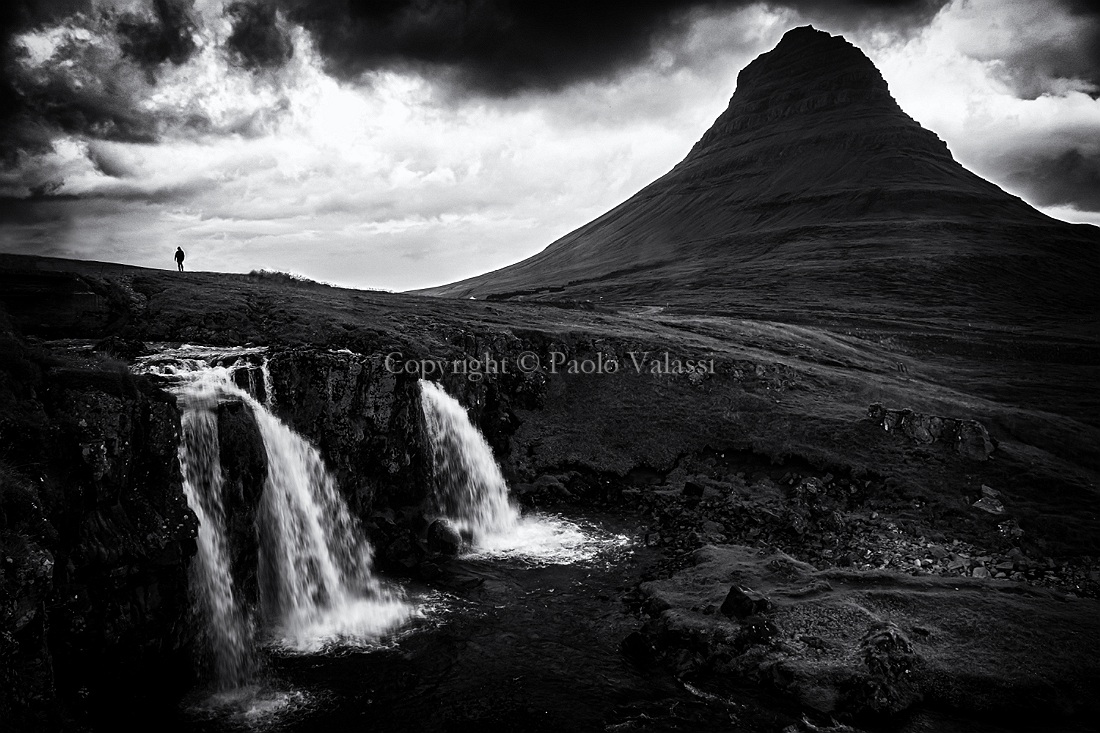
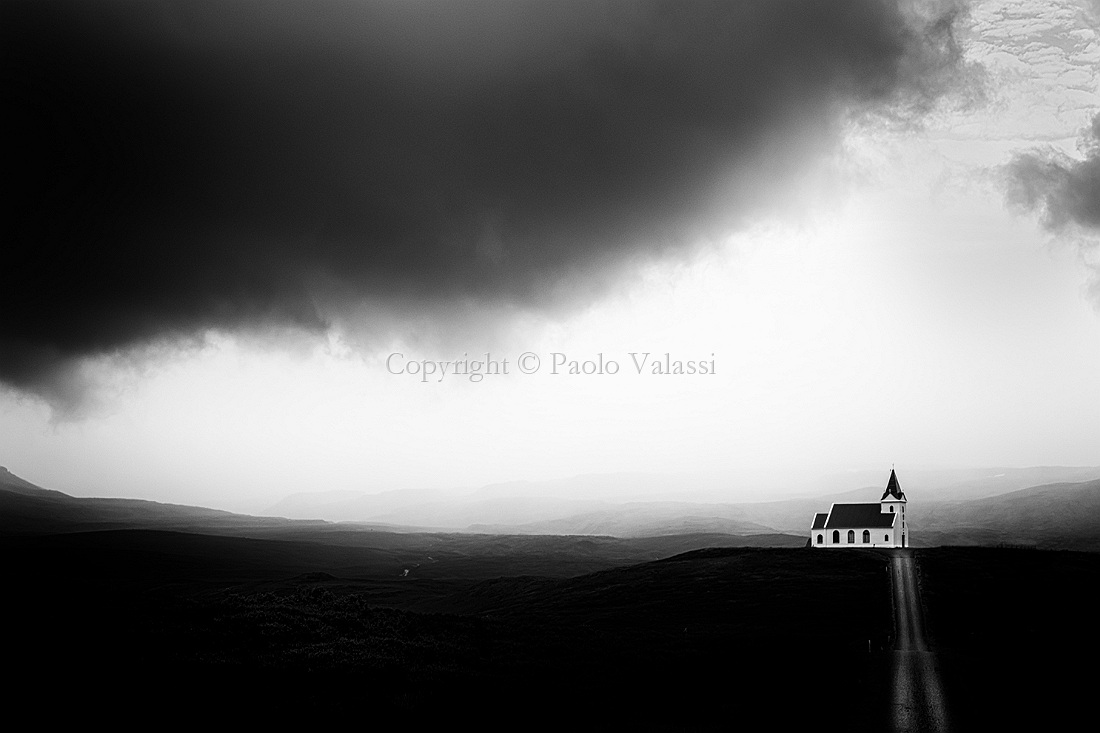
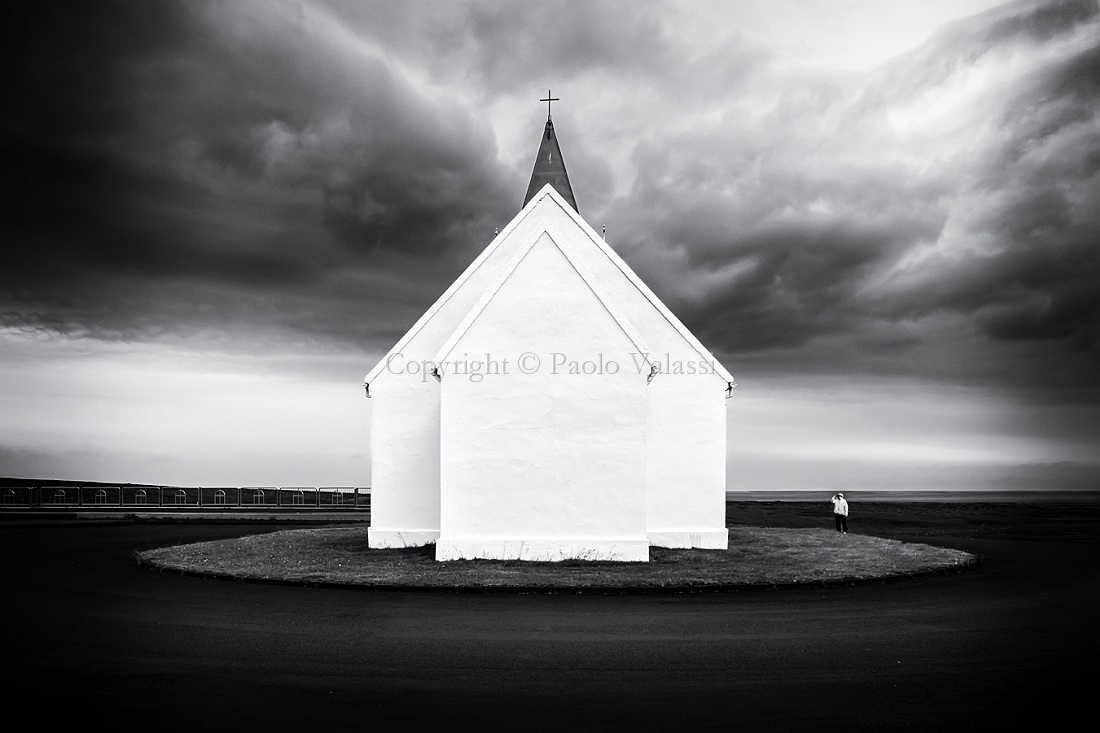
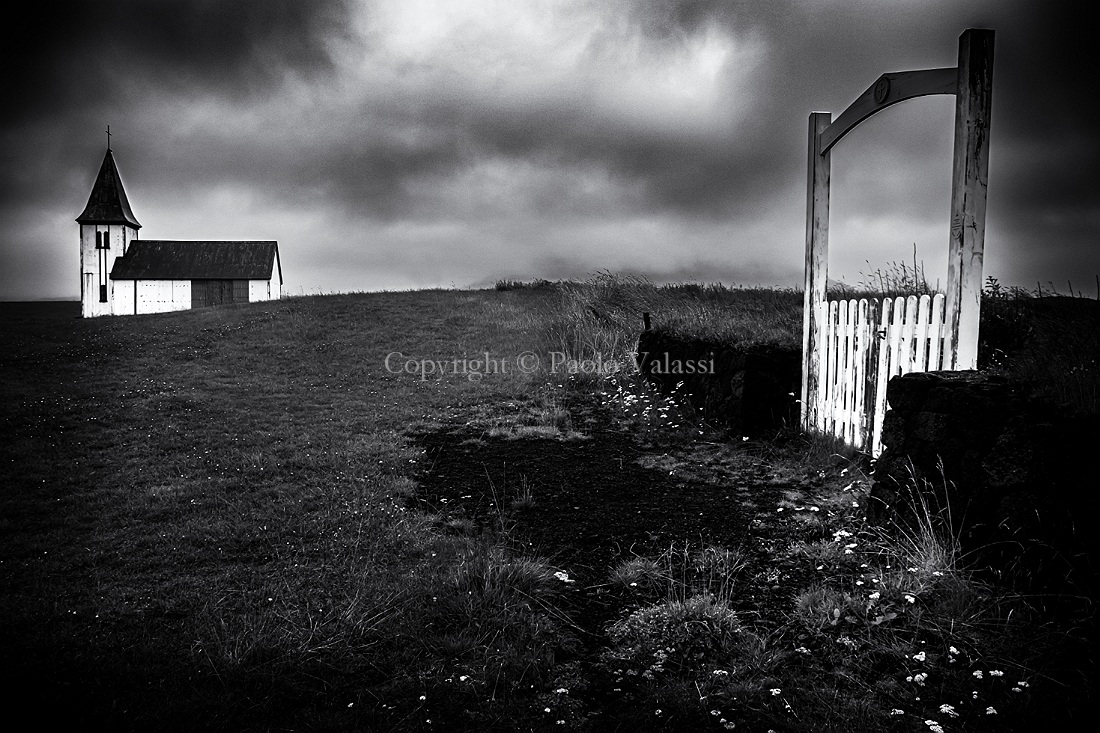
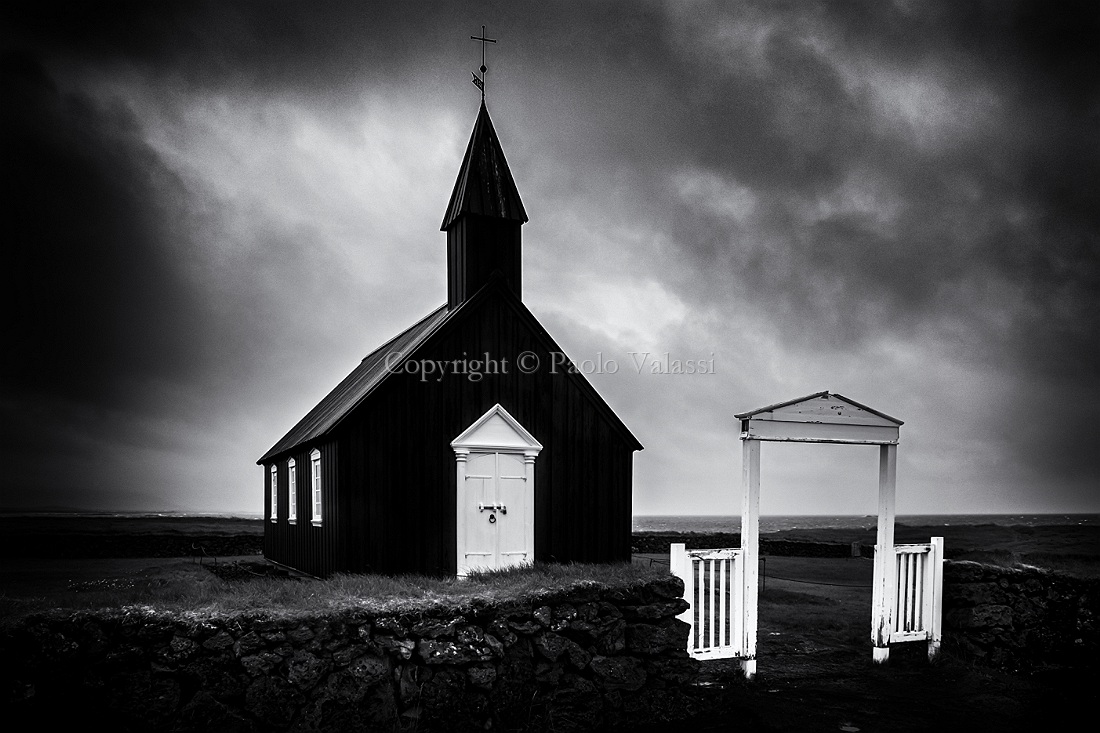
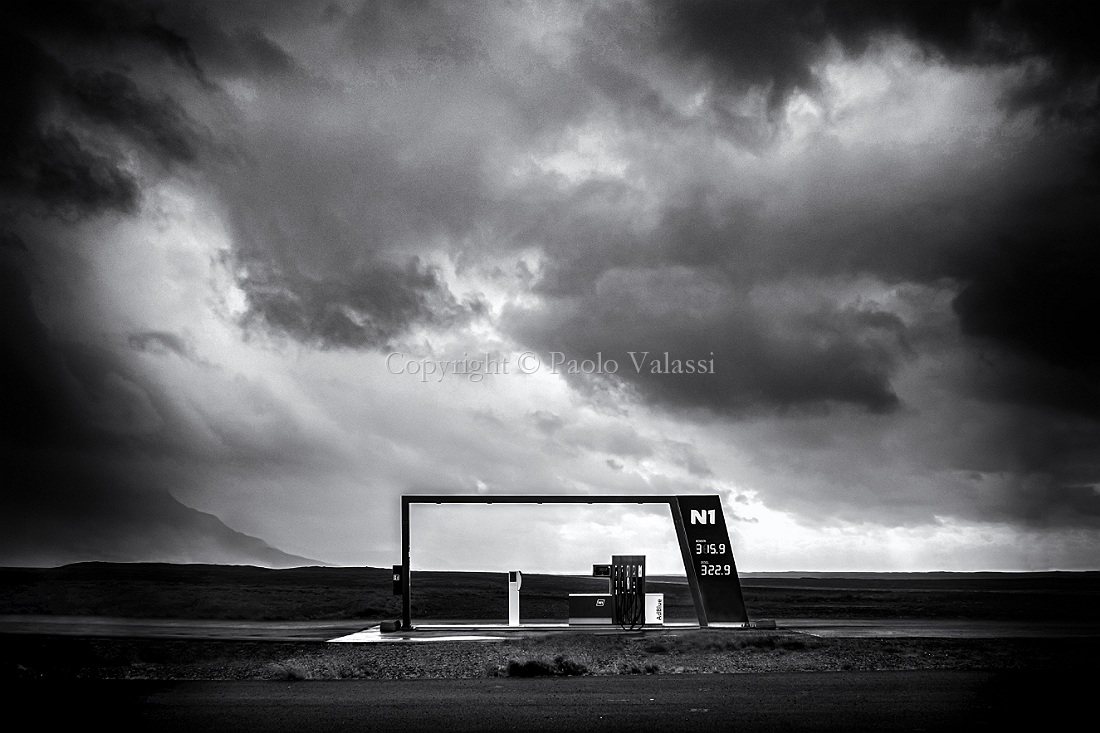
Iceland is more than just an island; it is a geological symphony located on the Mid-Atlantic Ridge. It is a place where the four elements—Fire, Water, Air, and Earth—are not mere concepts but living forces that shape the landscape and the soul of the nation.
Fire is the pulse of Iceland. Positioned atop a major tectonic boundary, the island is one of the most volcanically active regions in the world.
Geothermal Activity: This underground heat manifests as erupting volcanoes, bubbling mud pools, and powerful geysers (like Strokkur) shooting steam skyward.
Sustainable Energy: Beyond the spectacle, geothermal energy heats Icelandic homes and fuels the country's sustainable lifestyle.
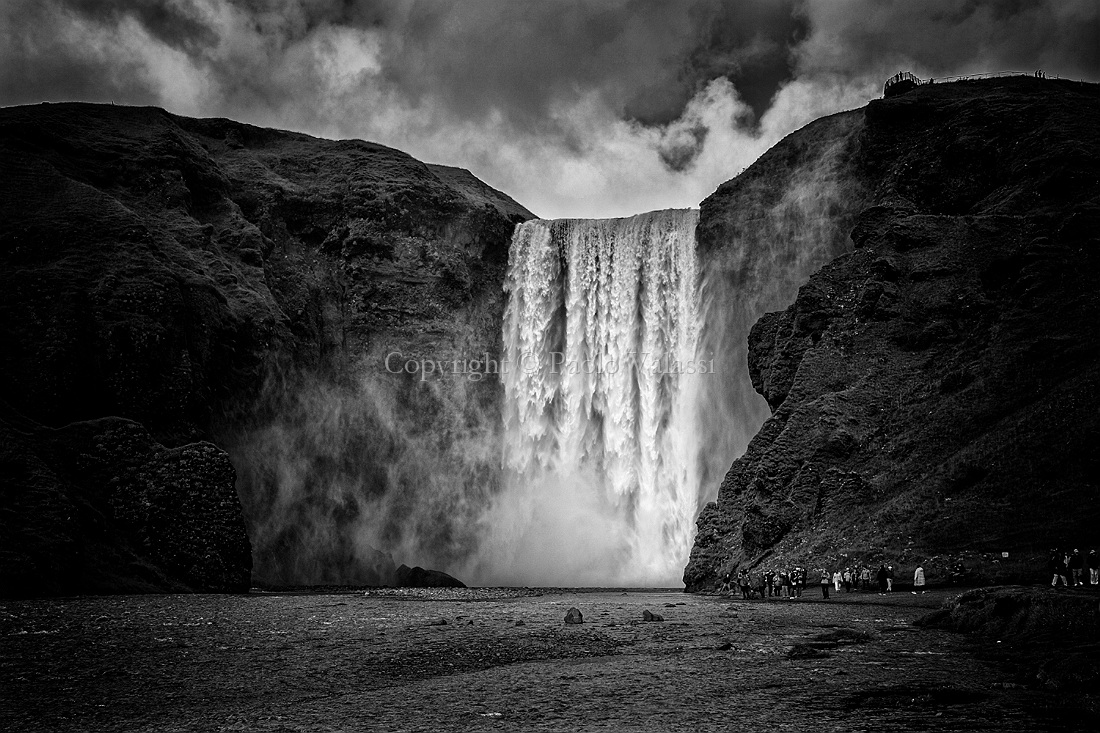
Water is the artist that carves the Icelandic terrain. From solid ice to thundering falls, it is the island's lifeblood.
Glaciers: Massive ice caps like Vatnajökull (Europe's largest) dominate the interior.
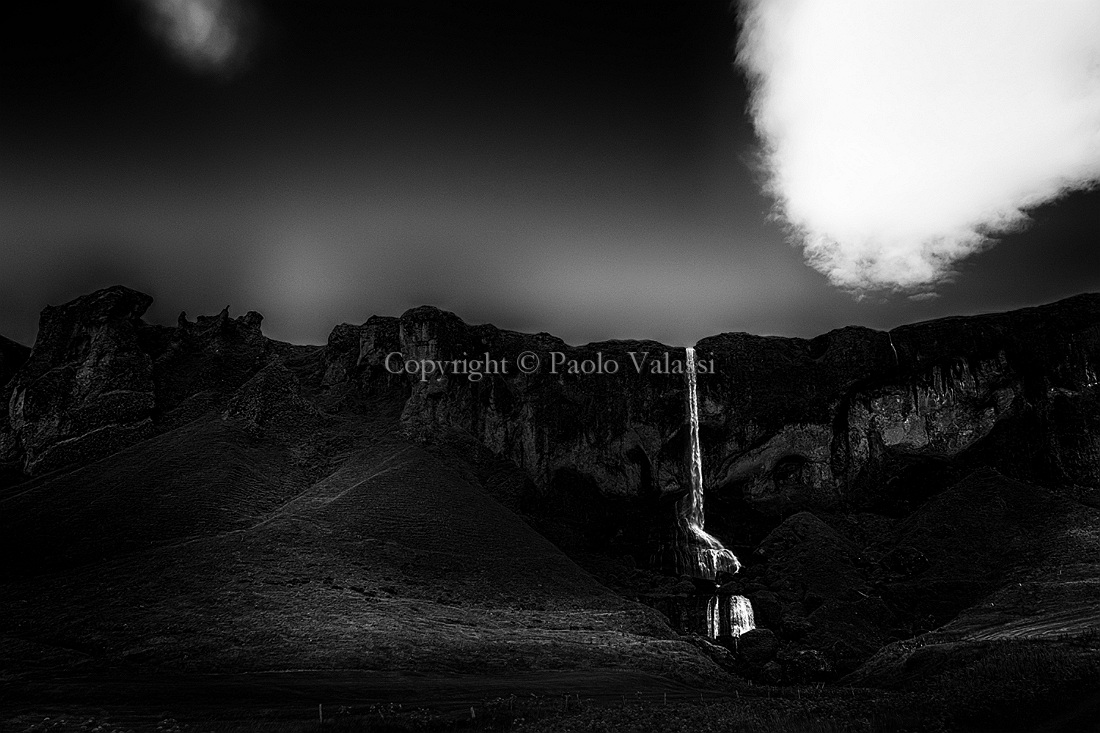
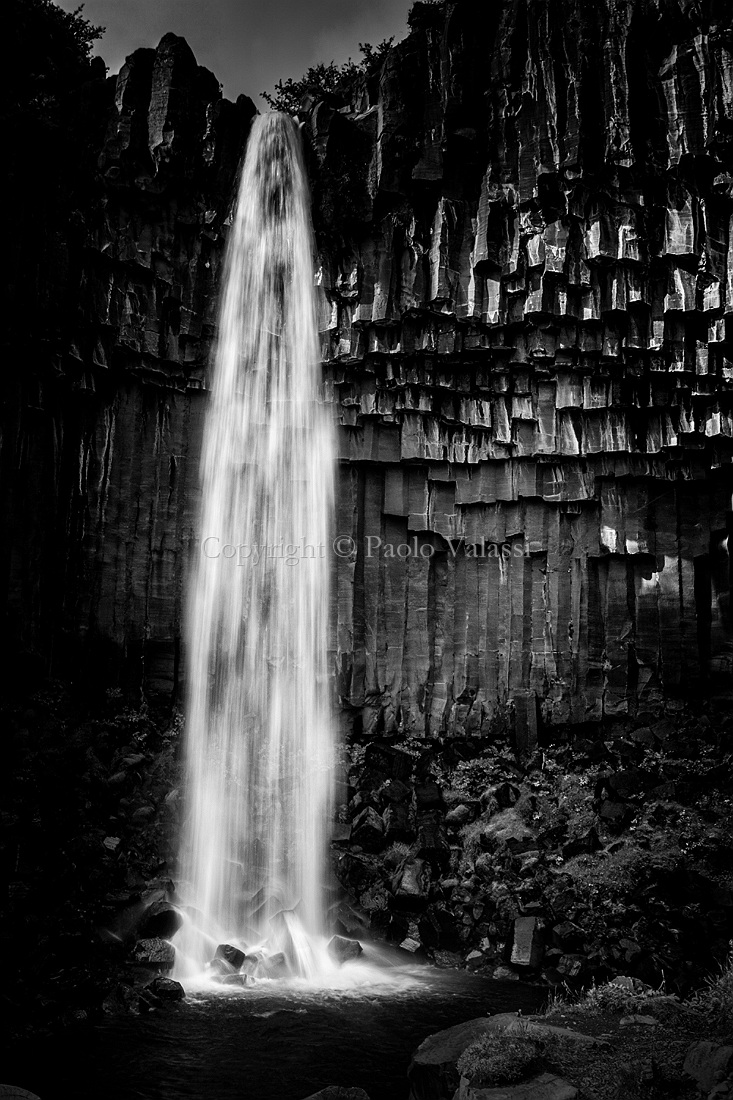
Iconic Waterfalls: Glacial runoff creates breathtaking landmarks such as Gullfoss and Skógafoss.
Thermal Lagoons: Water also provides relaxation in world-famous geothermal spas and the surrounding Atlantic coastline.
Icelandic air is pure, wild, and unpredictable. Swept by Arctic and Atlantic currents, it carries the scent of the sea and ancient lava.
The Northern Lights: The atmosphere serves as a stage for the Northern Lights (Aurora Borealis), where magnetized air creates a celestial dance of green, purple, and pink.
A Sense of Solitude: The crisp, biting wind provides a profound sense of freedom and untouched wilderness.
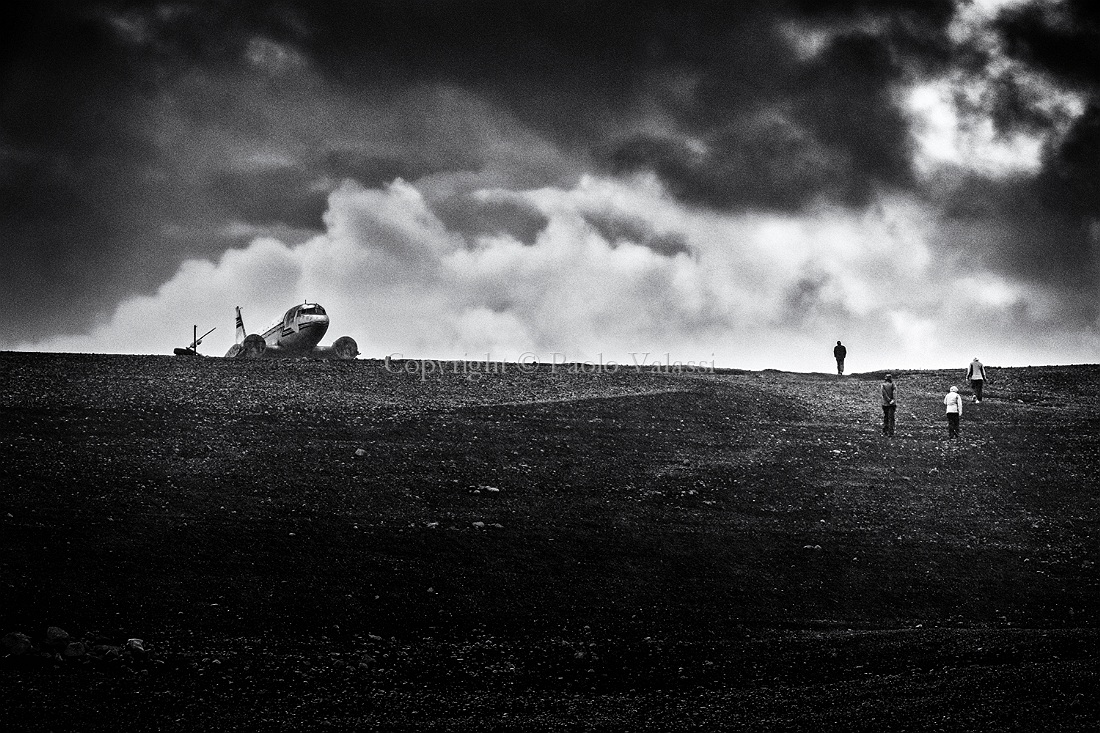
The Icelandic earth is a study in extreme contrasts, representing a young land still in the process of creation.
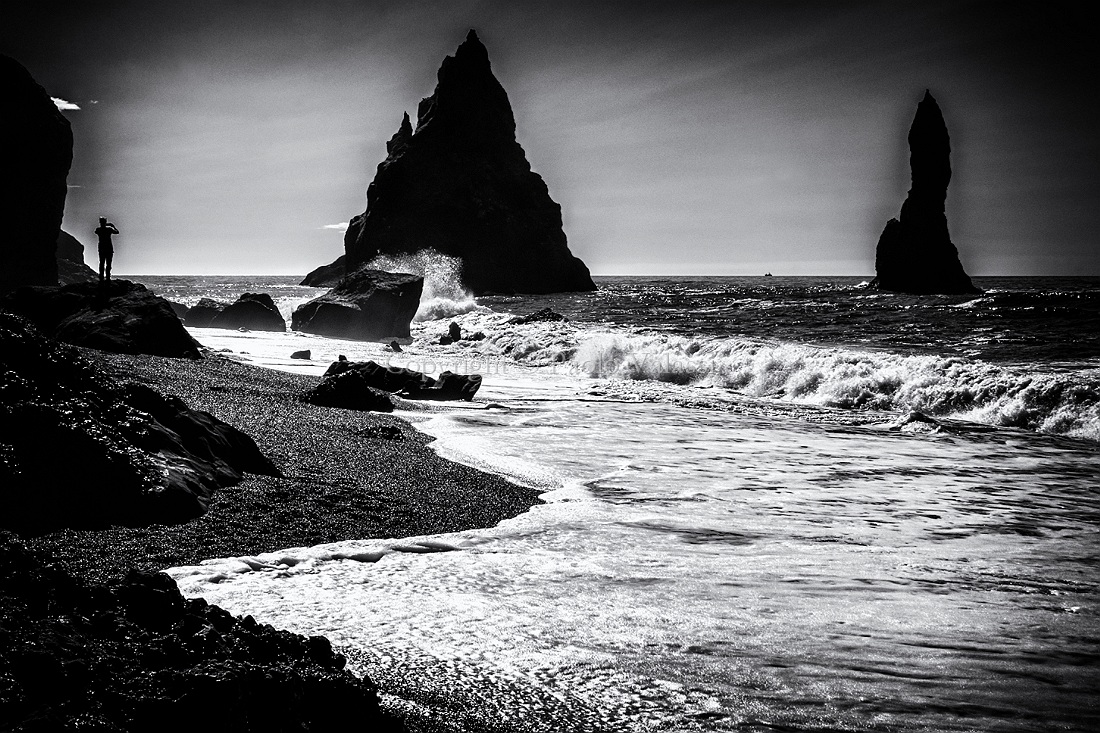
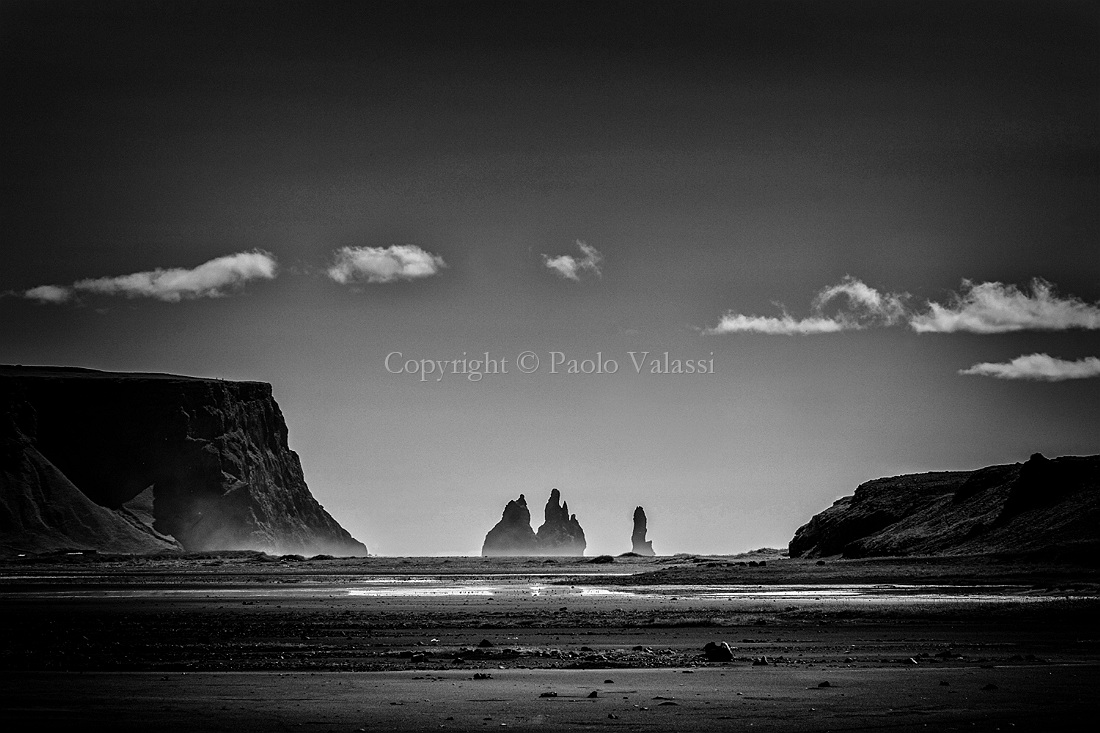
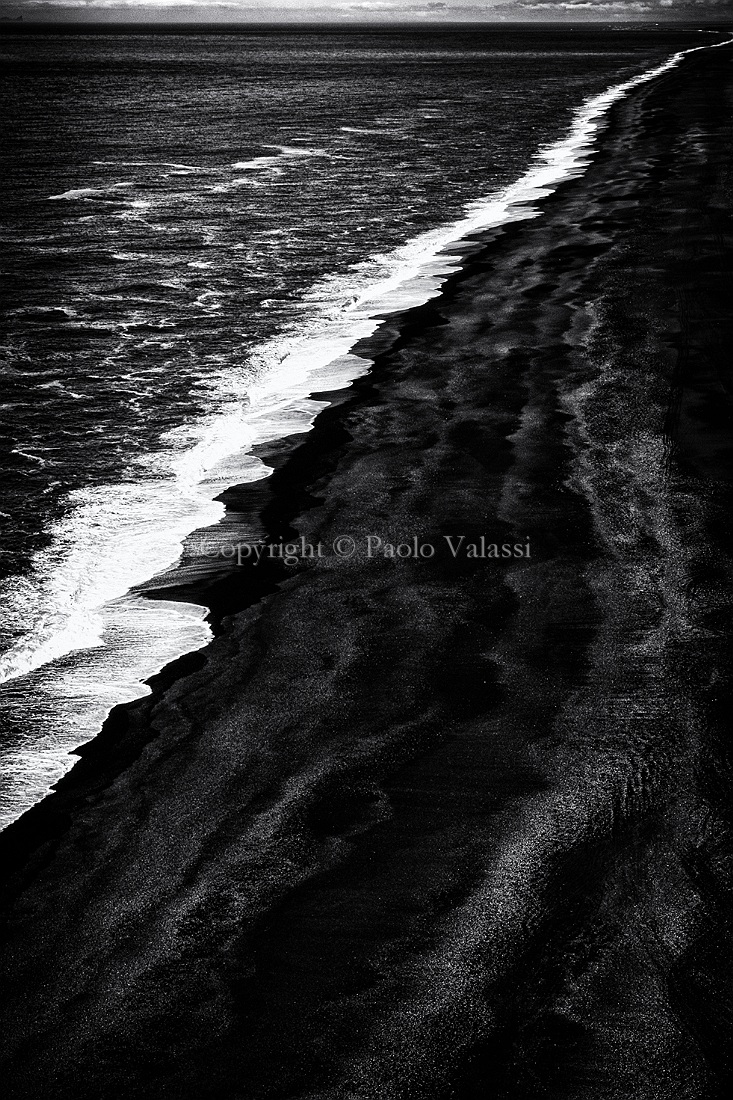
Volcanic Landscapes: The terrain is defined by black sand beaches, jagged basalt columns, and vast fields of solidified lava.
Vibrant Flora: In contrast to the harsh rock, valleys are often blanketed in thick, velvety green moss.
Tectonic Plates: Iceland is one of the few places on Earth where you can witness the North American and Eurasian tectonic plates pulling apart.