Hiroshima Travel Guide: City of Peace and Resilience on the Seto Inland Sea
Hiroshima, located in Southwestern Japan (Chugoku region), is the capital of Hiroshima Prefecture and the seventh-largest city in the country. Situated along the scenic coastline of the Seto Inland Sea, modern-day Hiroshima is a vibrant metropolis, serving as a global symbol of rebirth, cultural richness, and the pursuit of international peace.
A Turning Point in History: August 6, 1945
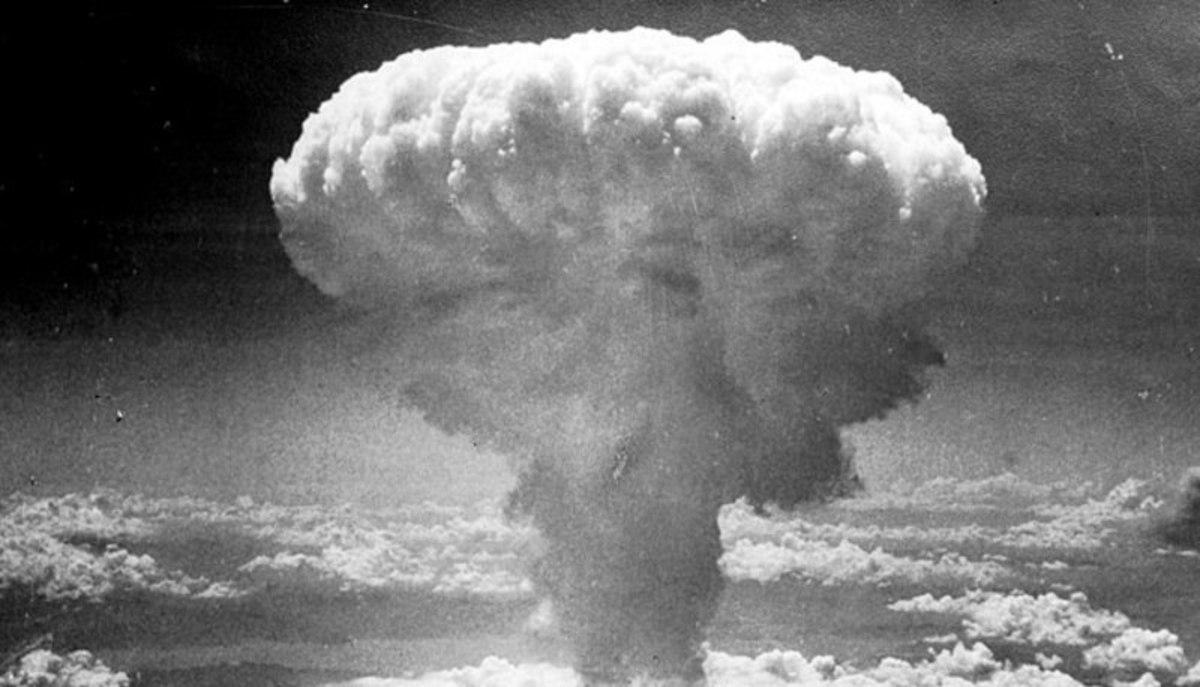
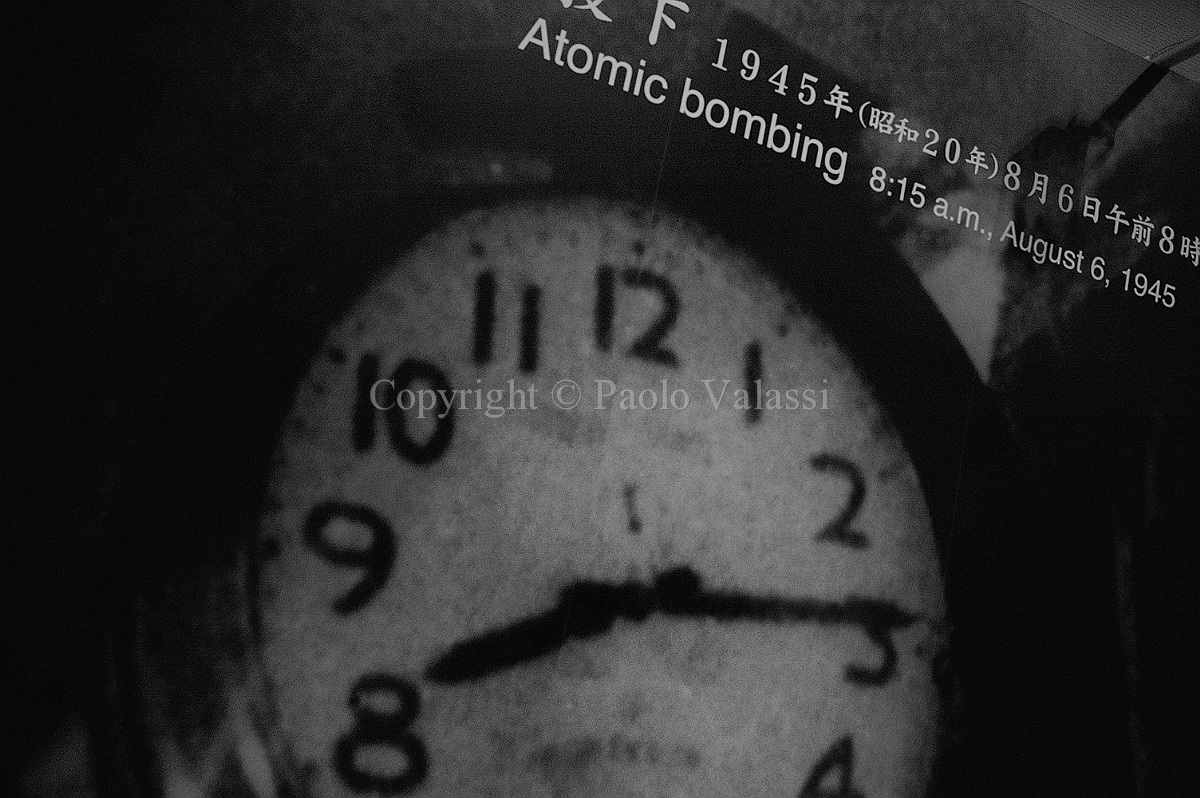
Hiroshima is most famously known as the site of the first atomic bombing in history on August 6, 1945. The detonation of the "Little Boy" bomb marked a tragic turning point in World War II, eventually leading to Japan’s surrender.
Despite the devastation, the city has miraculously rebuilt itself from the ashes. Today, Hiroshima has transitioned from its wartime past into a "City of Peace," acting as a major industrial, educational, and tourism hub in Western Japan.
Must-See Attractions: The Peace Memorial Park (UNESCO Site)
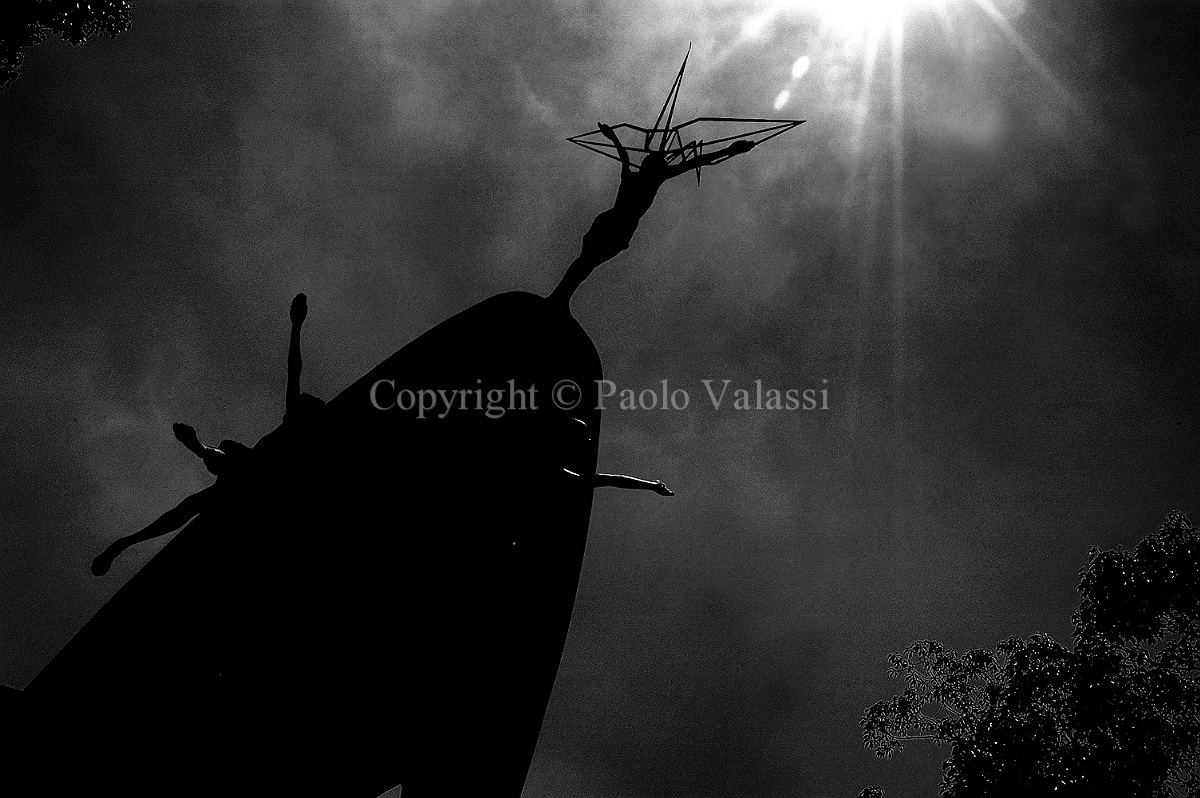
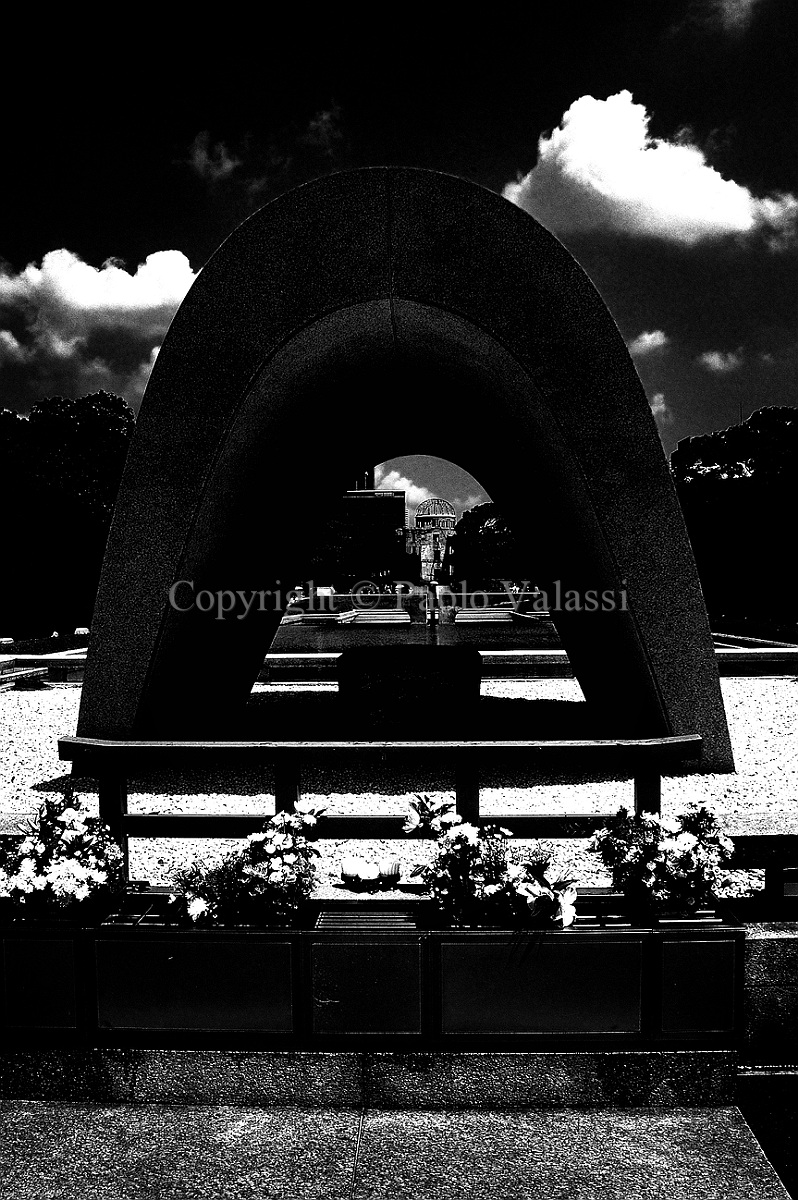
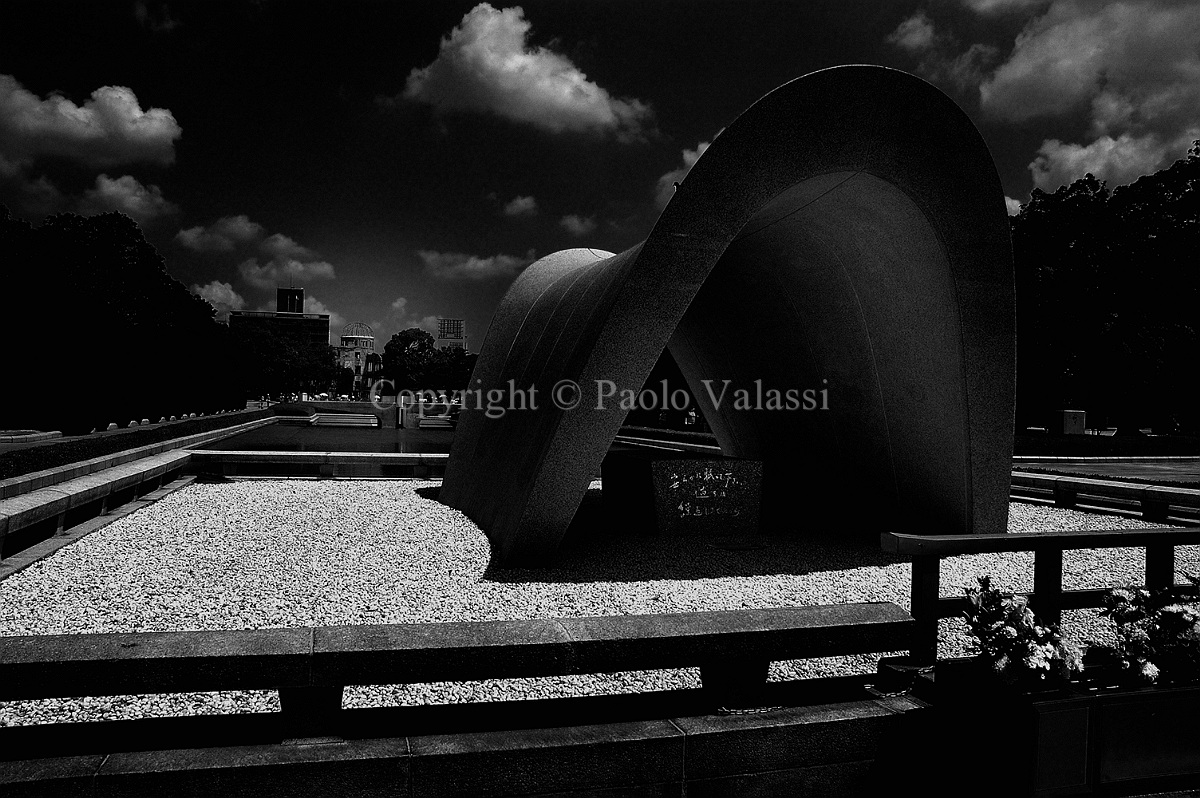
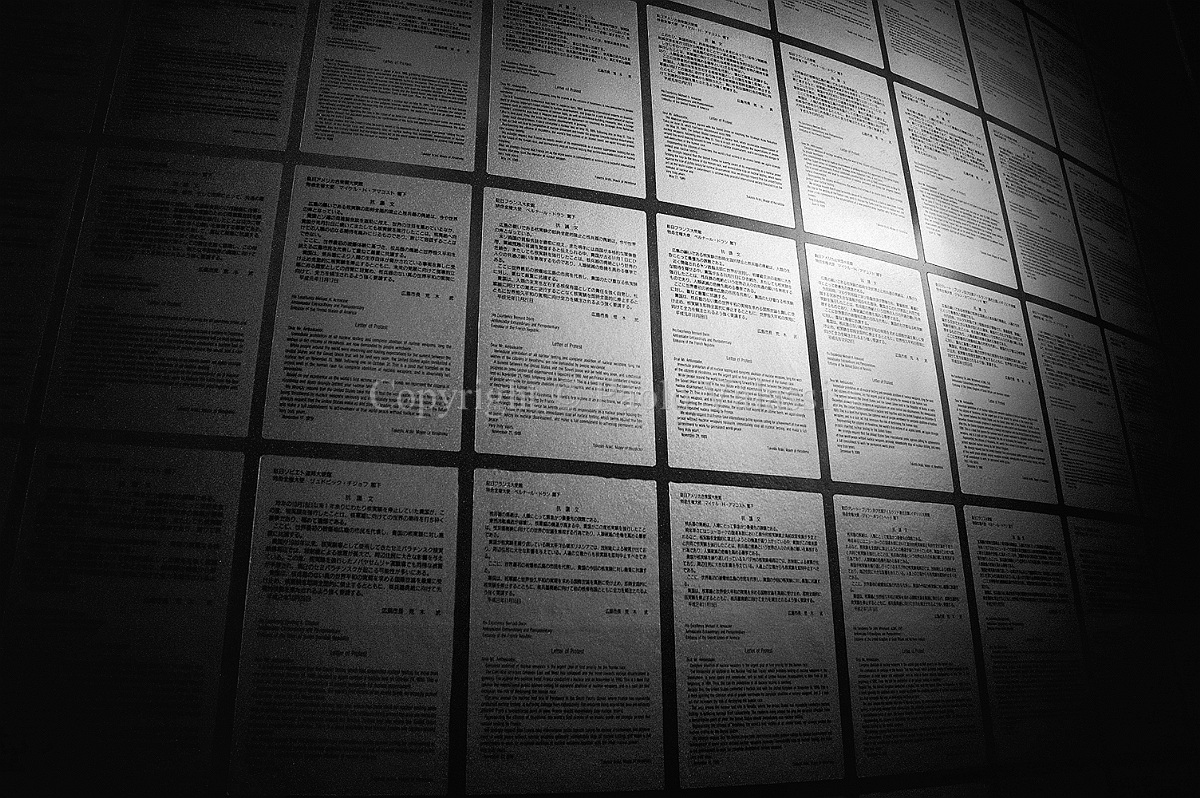
The heart of the city is the Hiroshima Peace Memorial Park, a dedicated space for reflection and the promotion of nuclear disarmament. Key landmarks within the park include:
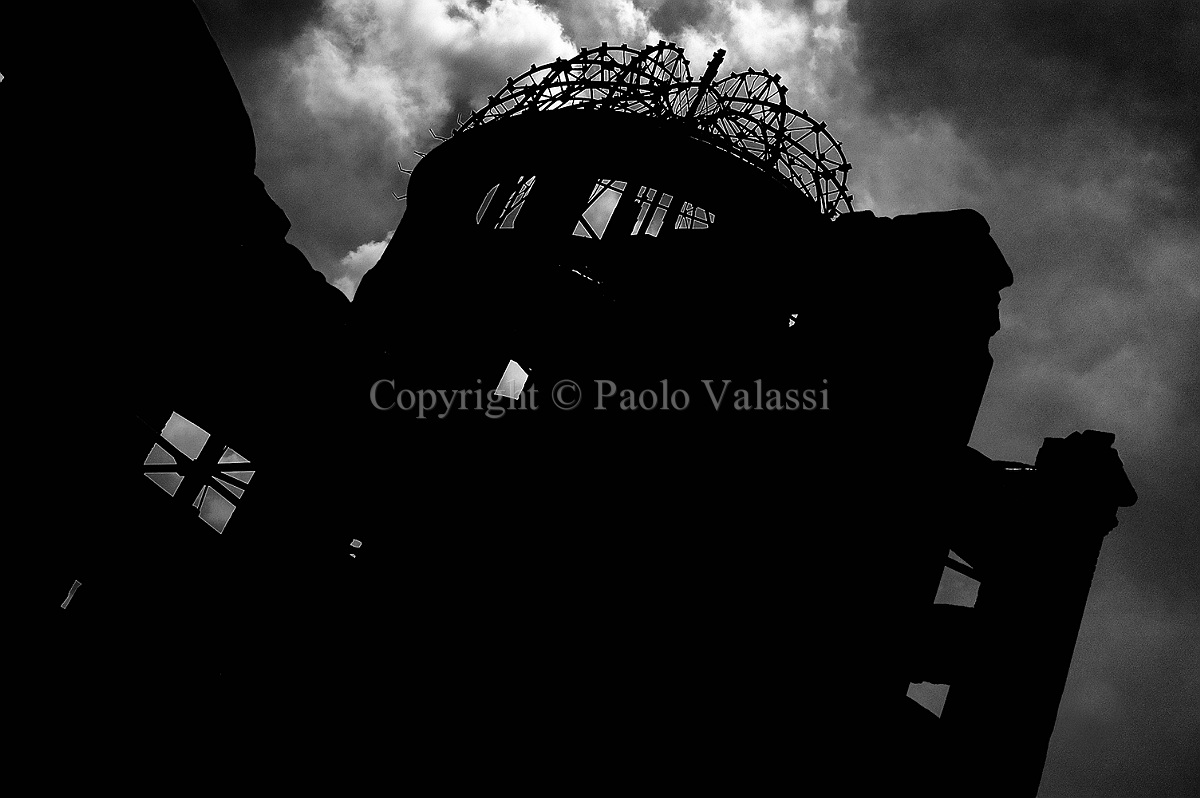
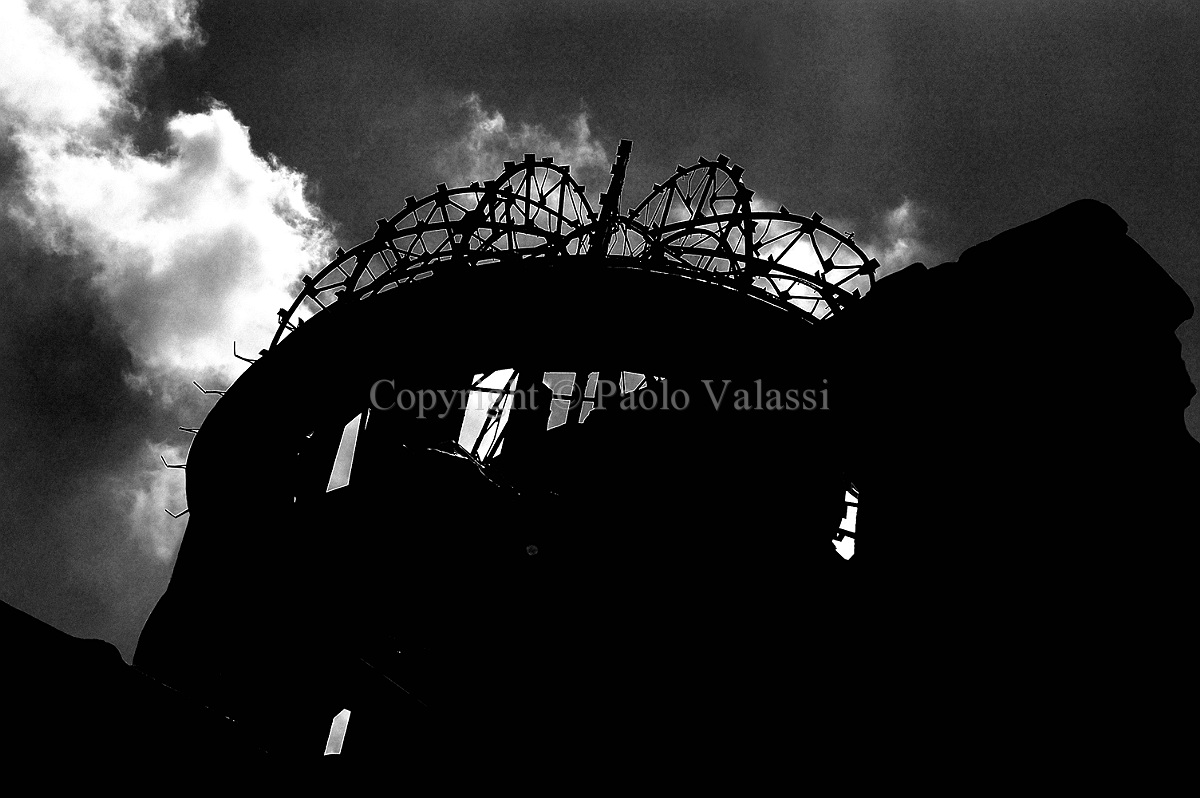
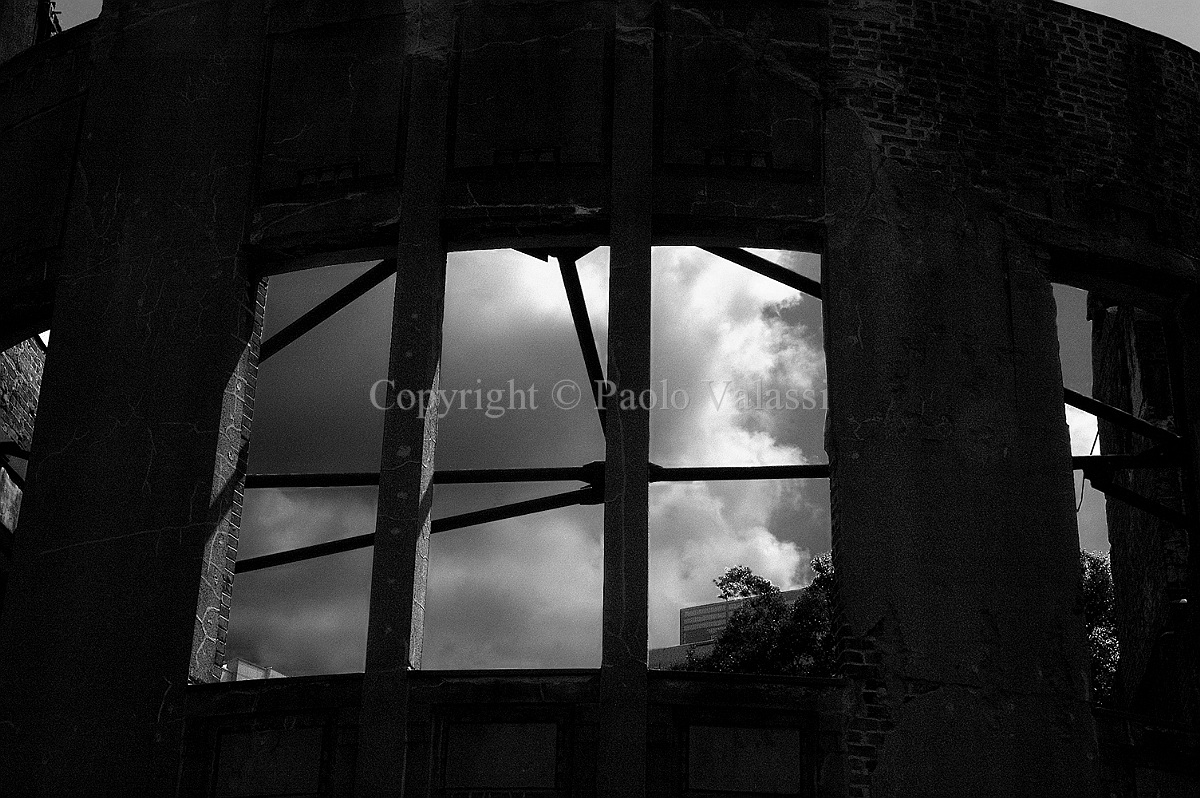
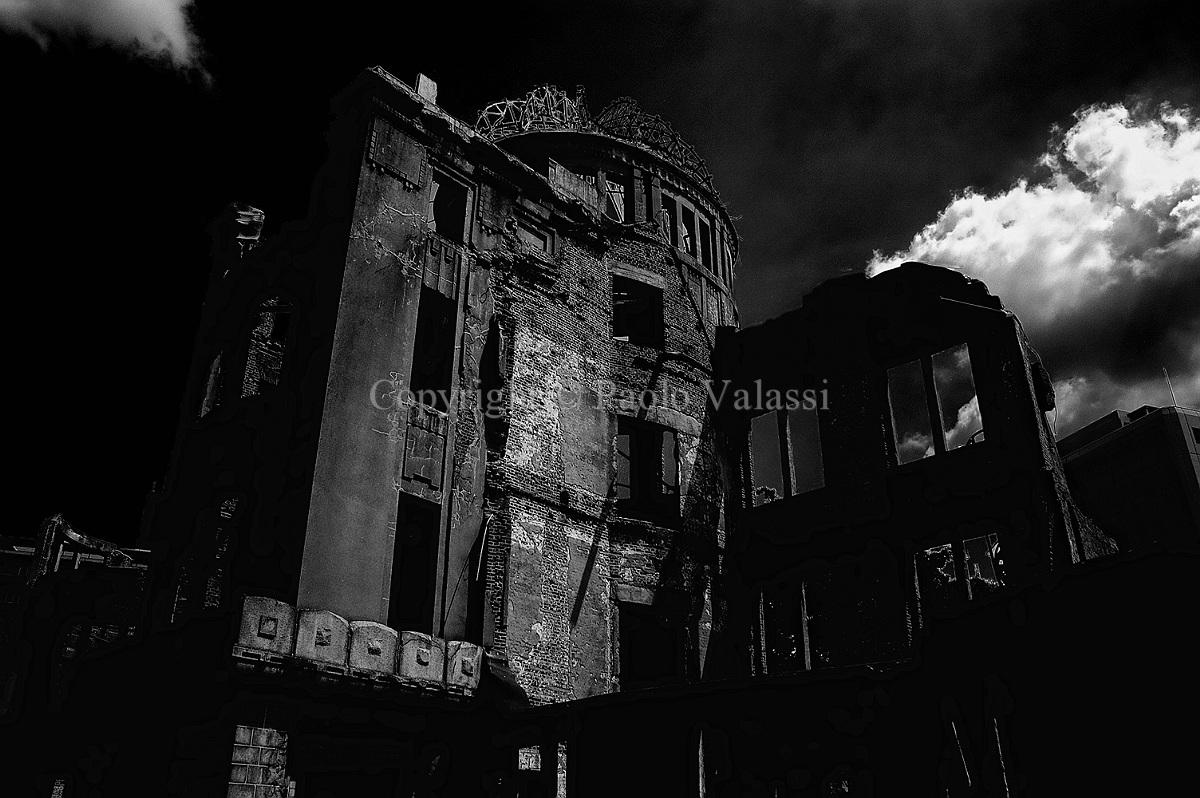
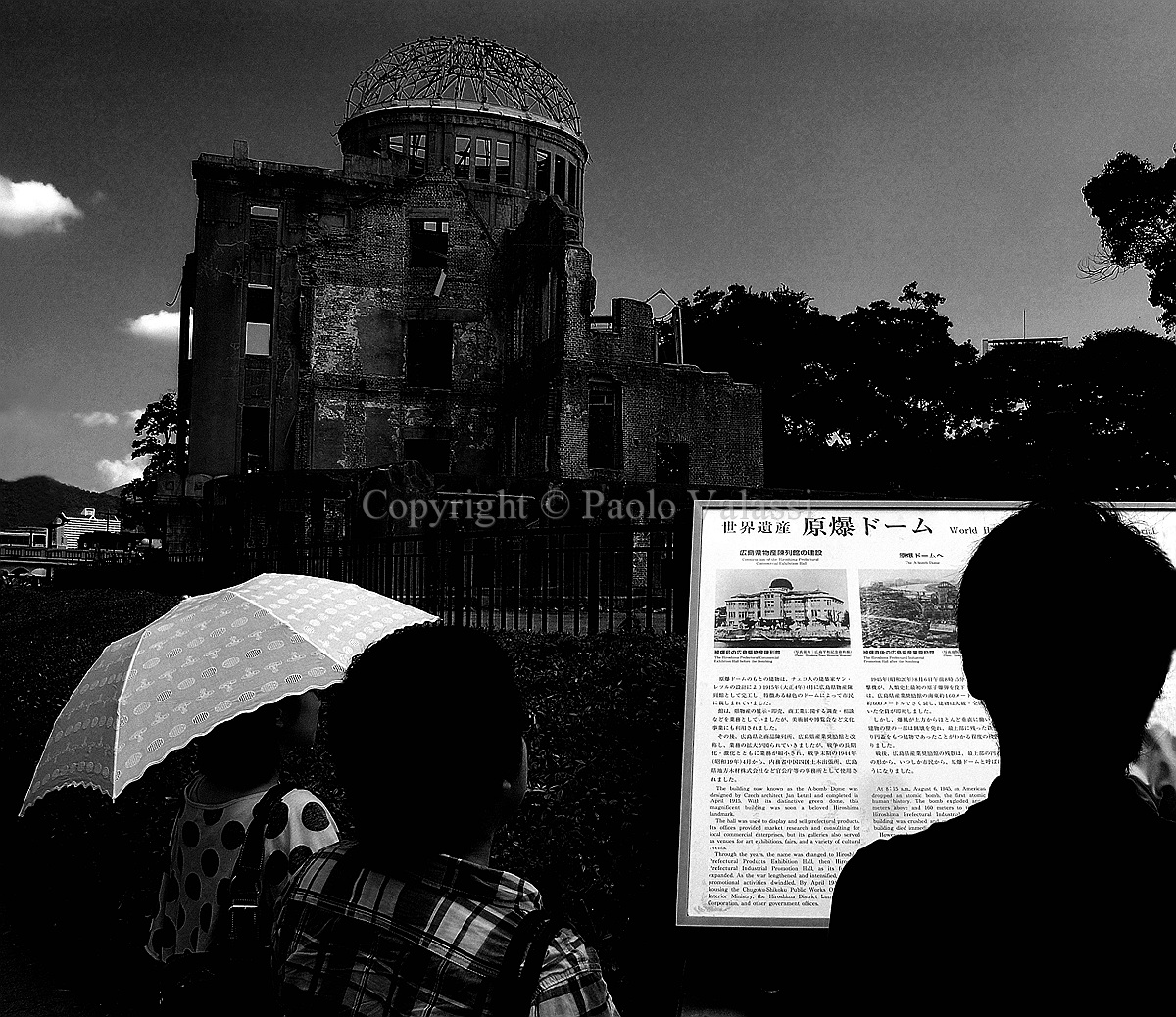
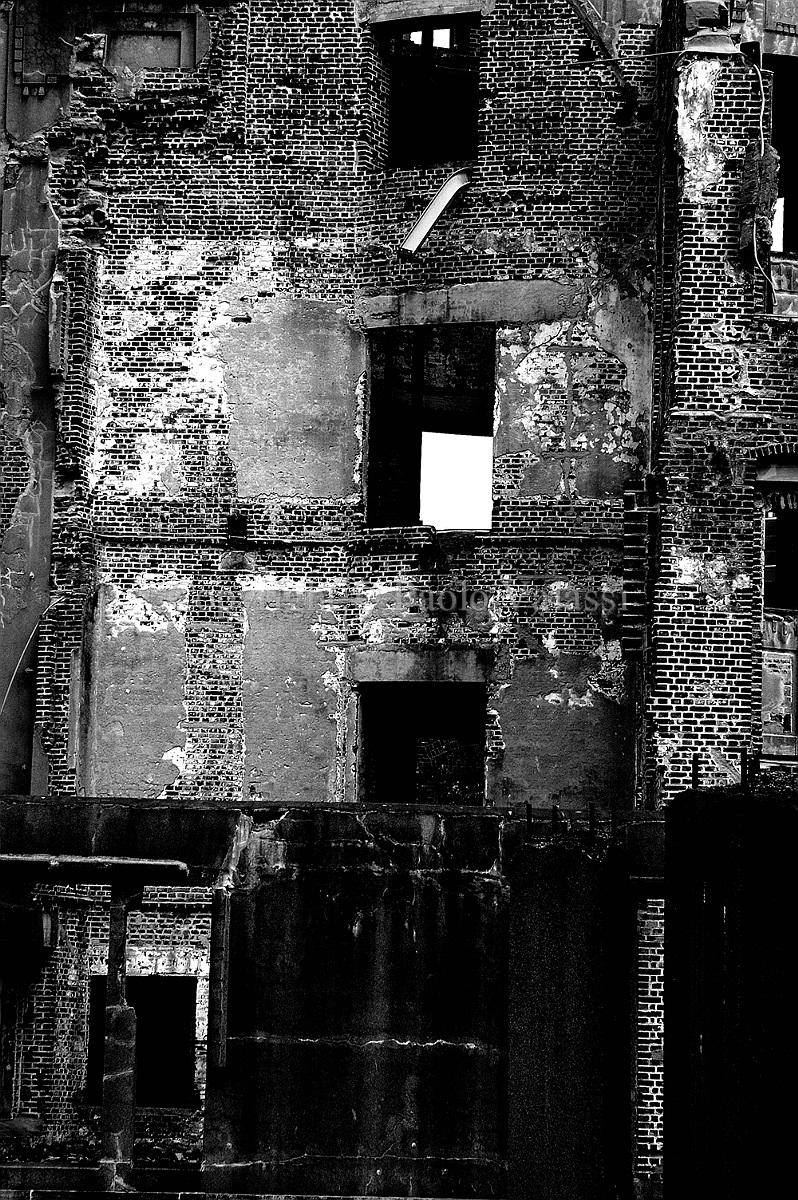
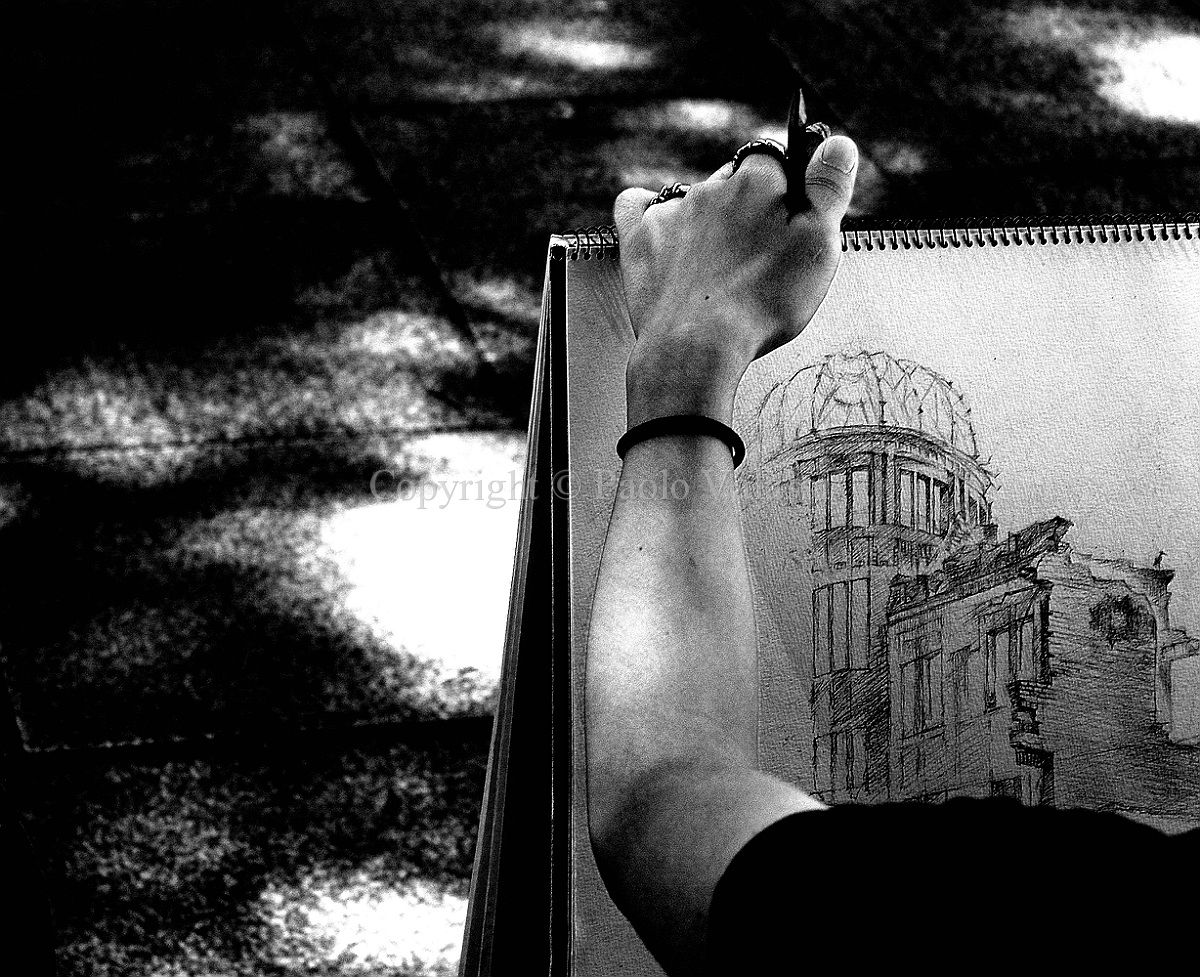
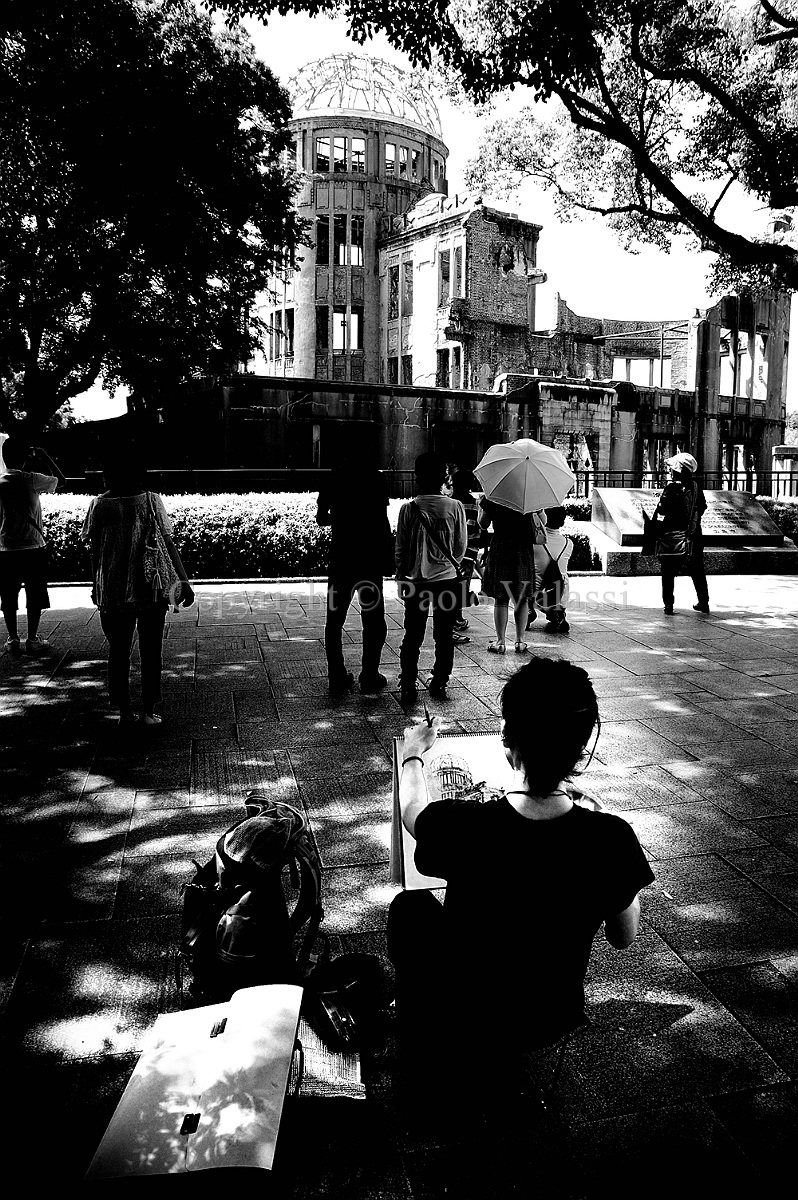
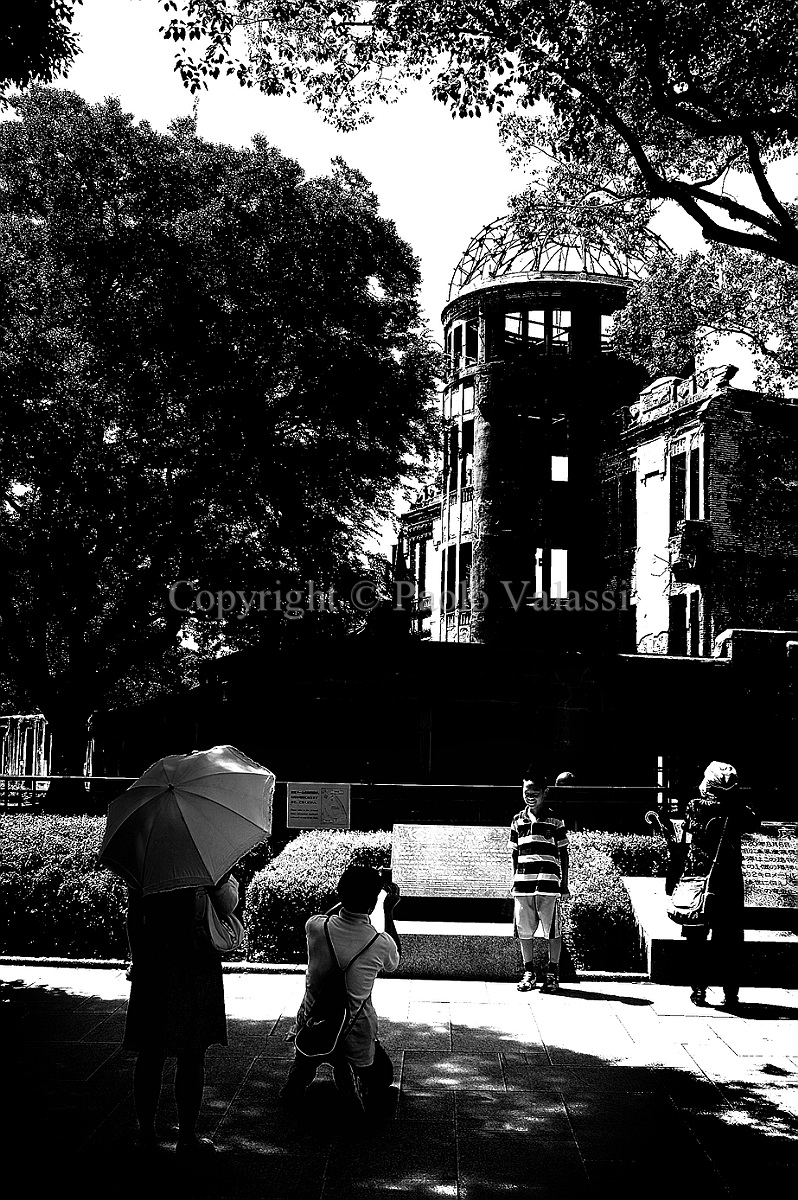
The A-Bomb Dome (Genbaku Dome): A UNESCO World Heritage site, this skeleton of a former industrial hall was near the hypocenter of the blast. It remains standing today exactly as it did after the explosion, serving as a powerful stark reminder of the event.
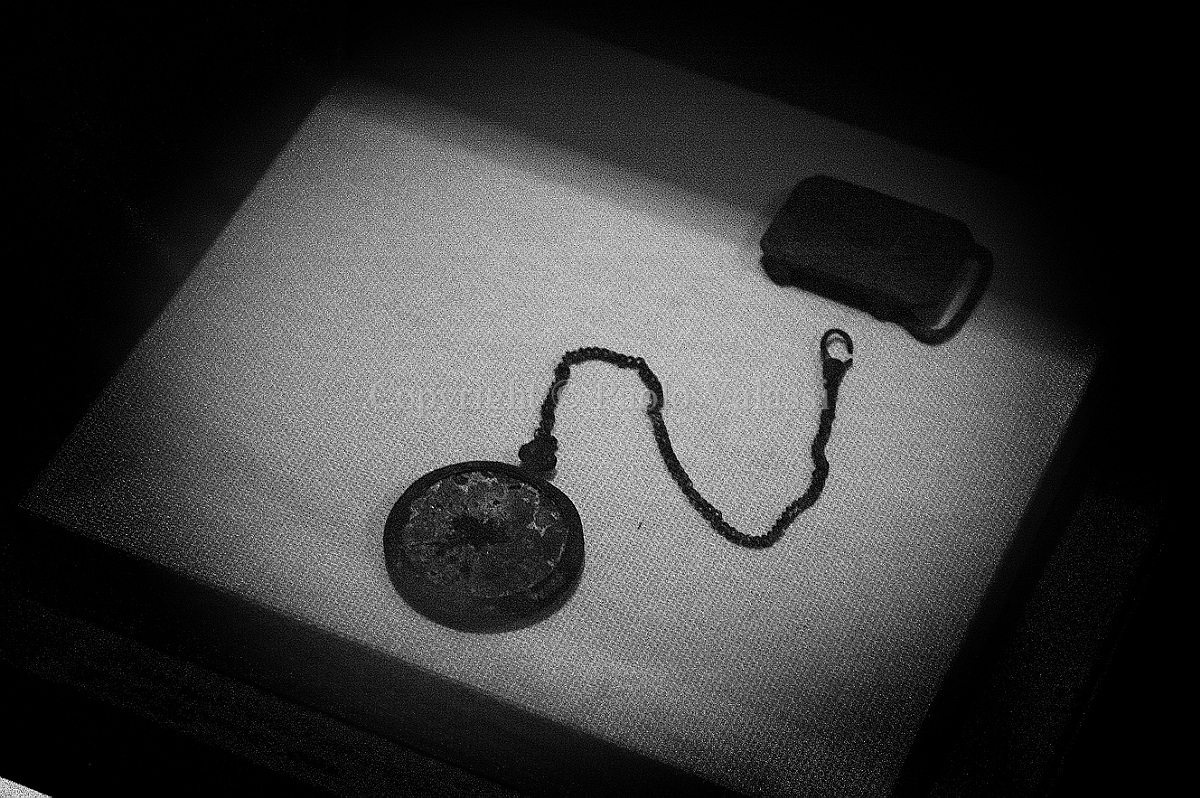
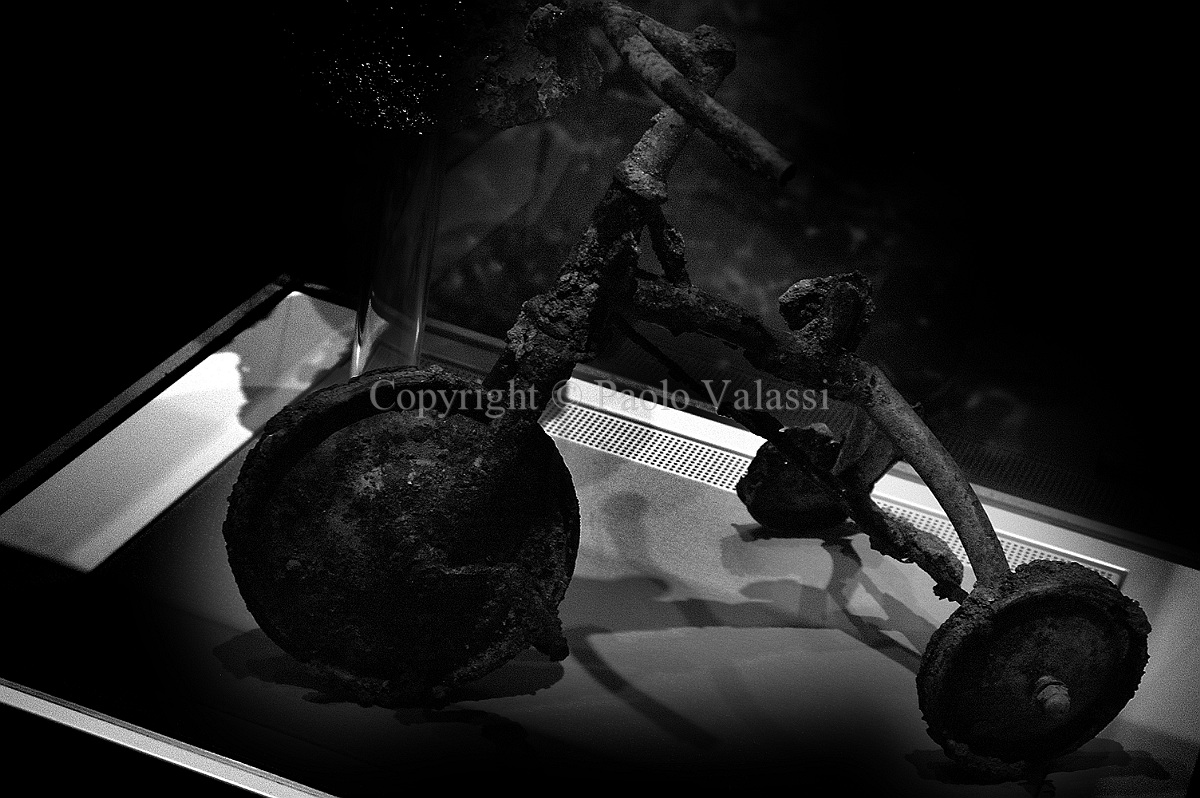
Hiroshima Peace Memorial Museum: A deeply moving museum that documents the history of the bombing through personal artifacts, photographs, and survivor testimonies.
The Peace Flame: This flame has burned continuously since 1964 and is pledged to remain lit until all nuclear weapons are eliminated from the Earth.
Beyond History: Culture and Cuisine in Western Japan
While history is central to the Hiroshima experience, the city offers much more to modern travelers:
Miyajima Island (Itsukushima): Just a short ferry ride away, this island is home to the famous "floating" Itsukushima Shrine torii gate, one of the most photographed spots in Japan.
Local Gastronomy: No visit is complete without trying Hiroshima-style Okonomiyaki, a savory pancake layered with noodles, cabbage, and specialized sauce—a distinct culinary rival to the Osaka version.
Shukkeien Garden: A stunning example of traditional Japanese landscaping, perfect for a peaceful walk in the city center.
Travel Essentials
Getting There: Hiroshima is easily accessible via the Sanyo Shinkansen (bullet train) from Tokyo, Kyoto, or Osaka.
Location: Hiroshima Prefecture, Chugoku Region, Japan.
Best Time to Visit: Spring for the cherry blossoms or Autumn for the vibrant maple leaves on Miyajima.