Angkor Travel Guide: The Heart of the Khmer Empire in Cambodia
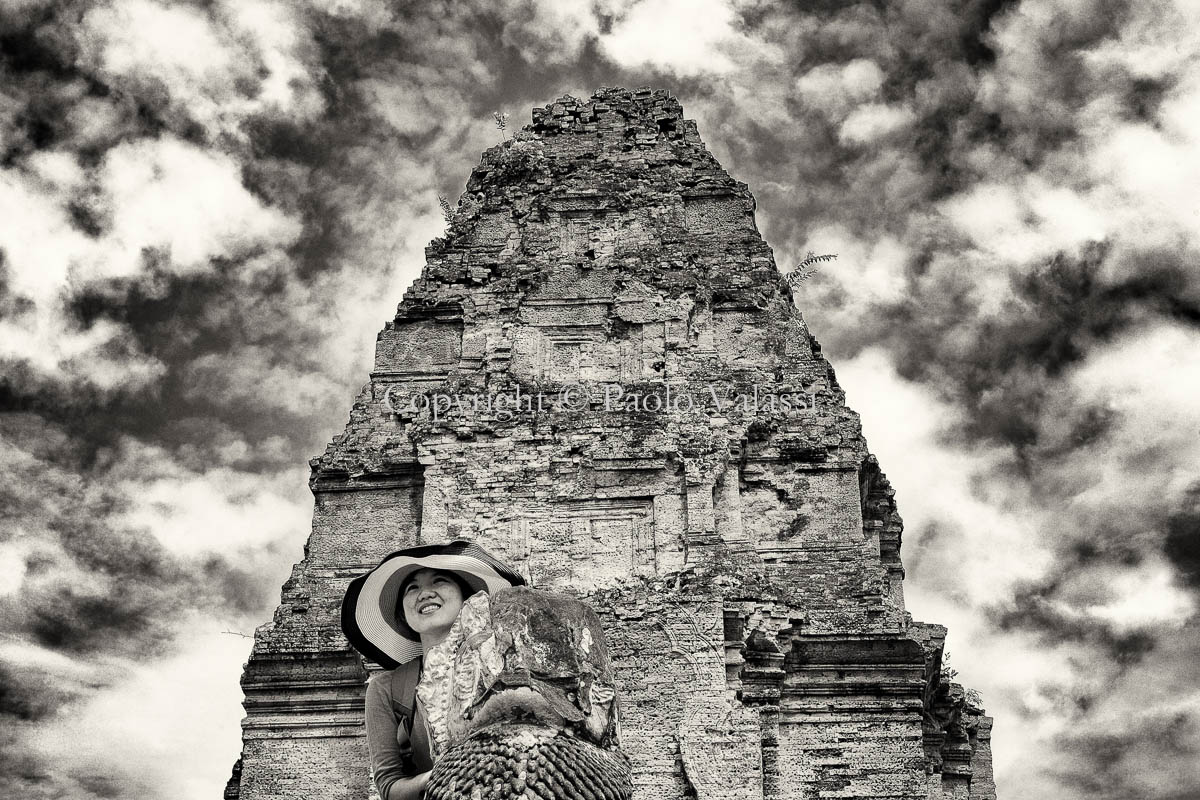
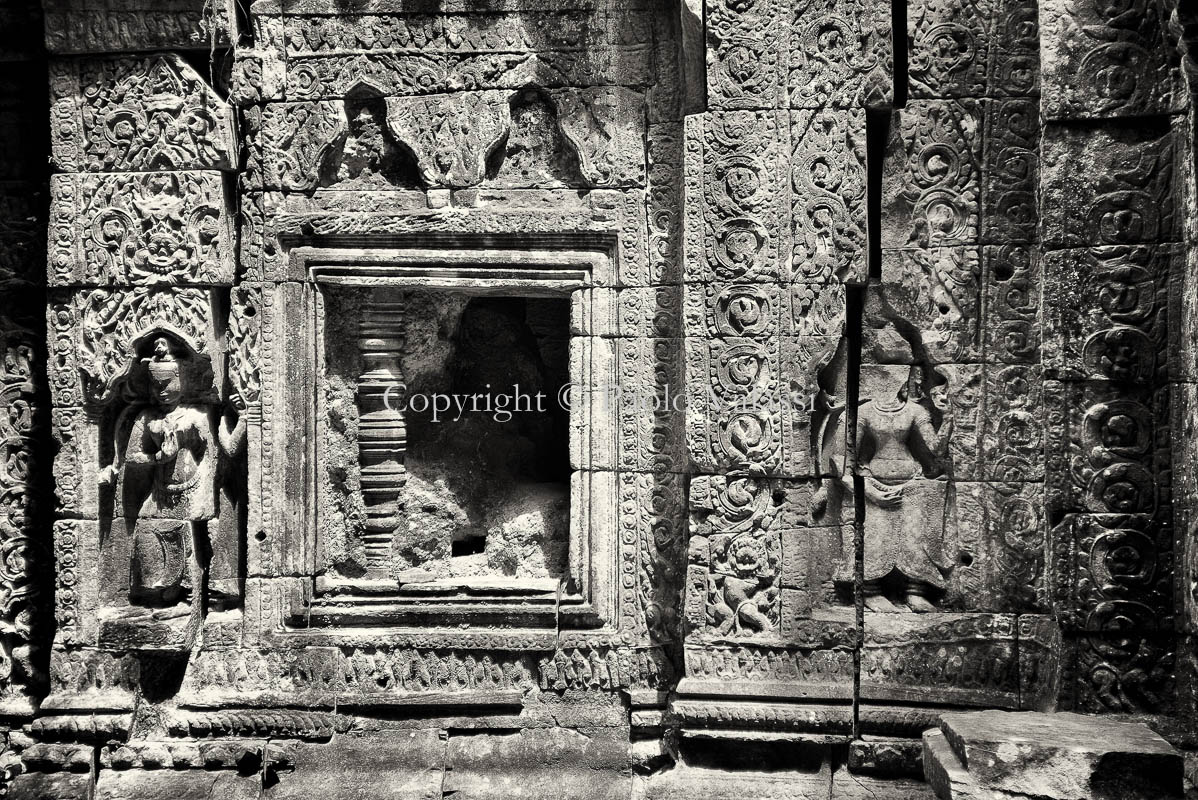
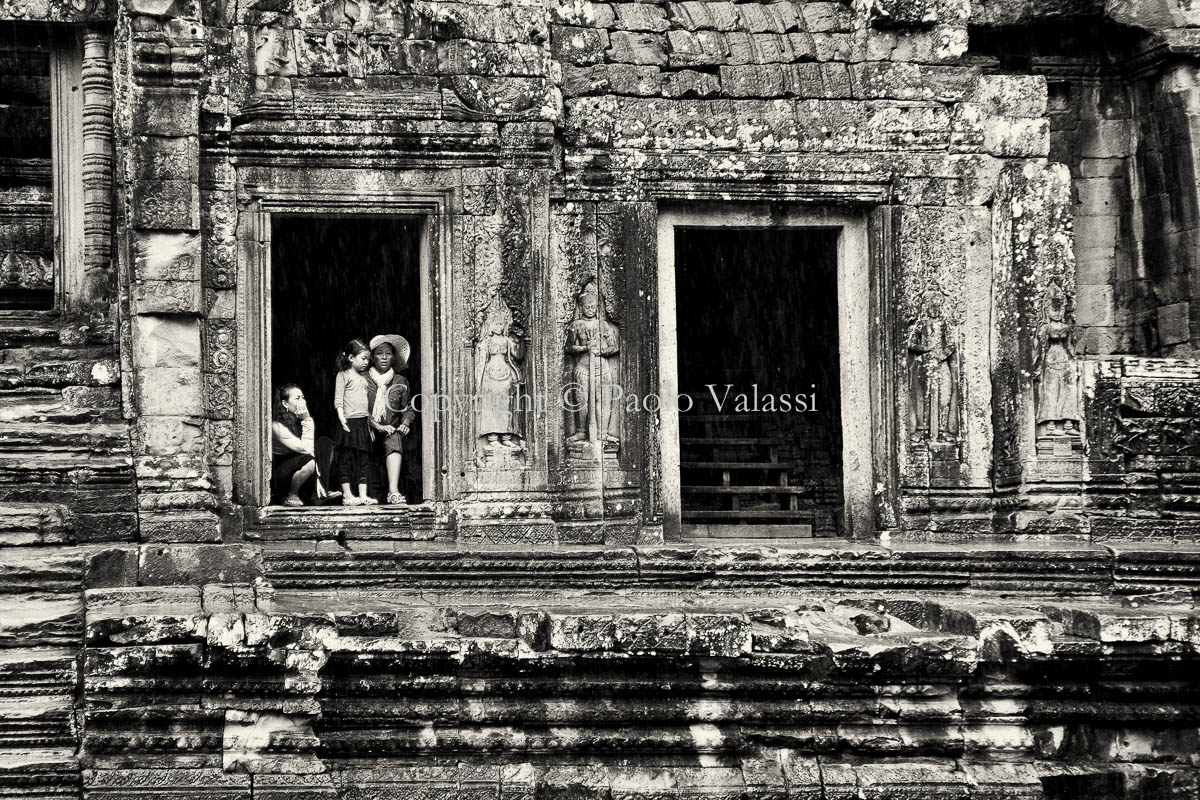
Angkor, located in northern Cambodia, is one of the most significant archaeological sites in the world and served as the capital of the Khmer Empire between the 9th and 15th centuries. A UNESCO World Heritage site, this vast monumental complex represents the pinnacle of Southeast Asian art, architecture, and urban planning.
The Rise and Fall of the Khmer Empire
Founded in the 9th century by King Jayavarman II, Angkor evolved into a sophisticated "hydraulic city" known for its advanced water management systems.
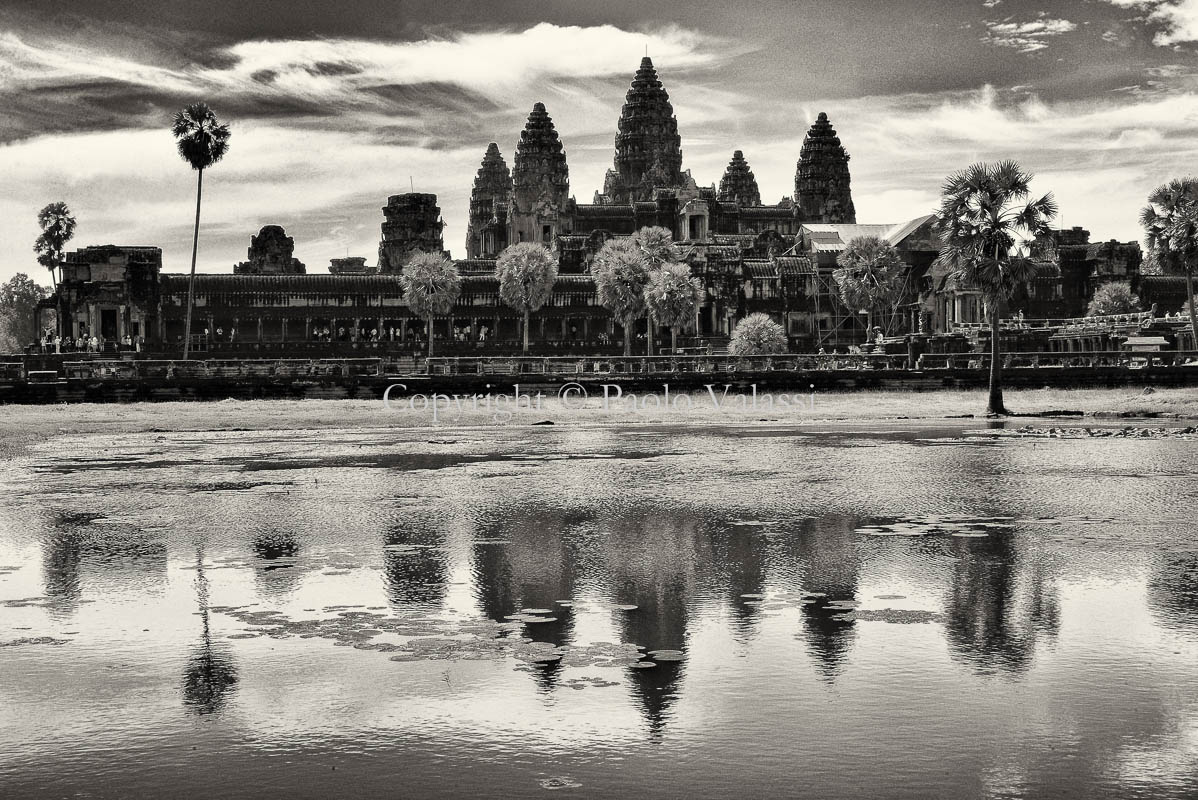
The 12th Century Peak: Under the reign of Suryavarman II, the empire reached its zenith with the construction of Angkor Wat, the largest religious monument in the world, originally dedicated to the Hindu god Vishnu.
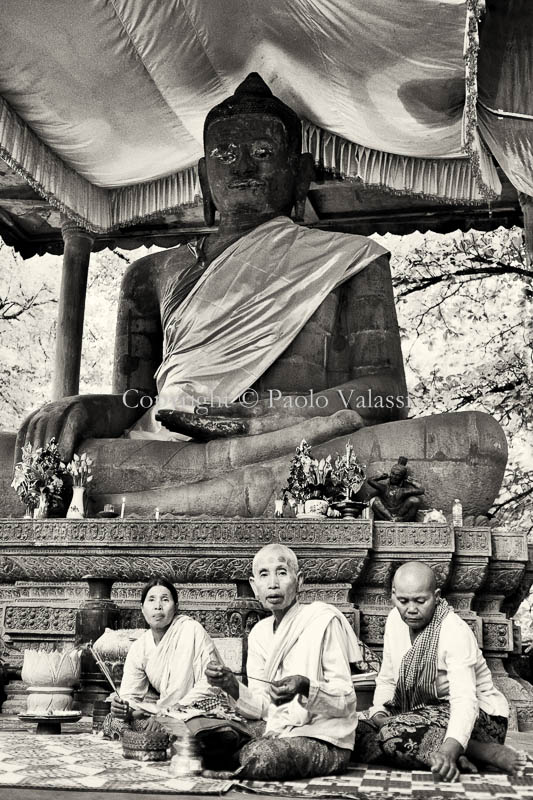
Transition to Buddhism: Later, under Jayavarman VII, the empire shifted toward Mahayana Buddhism, leading to the construction of the walled city of Angkor Thom.
The Decline: At its height, Angkor supported a population of over one million. However, environmental changes and political shifts led to its decline in the 15th century and subsequent abandonment in the 16th century.
Top Temples to Visit in Angkor
The Angkor Archaeological Park covers over $400$ $km^2$. To explore the site thoroughly, a 3-day or 7-day Angkor Pass is recommended. Must-see highlights include:
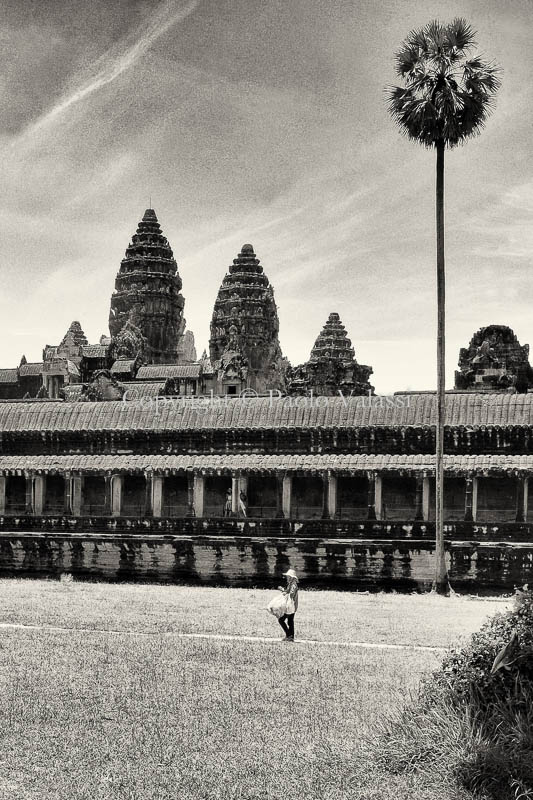
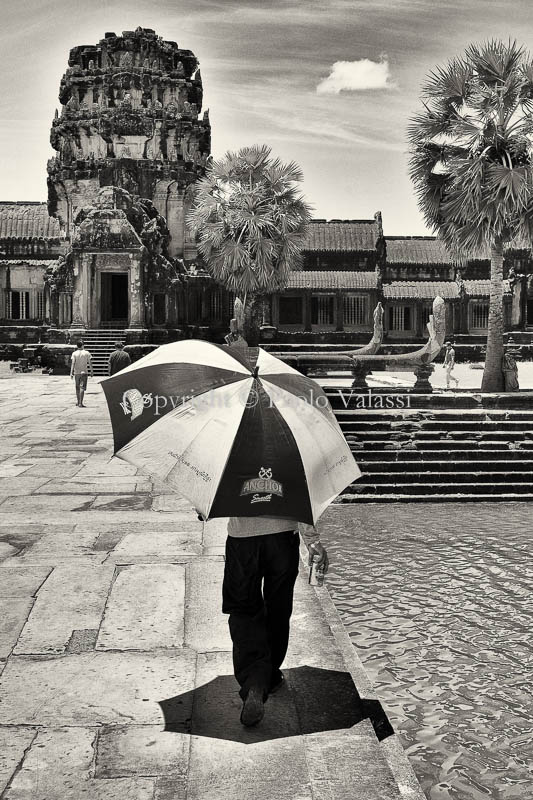
Angkor Wat: The national symbol of Cambodia, famous for its intricate bas-reliefs and five lotus-bud towers. It is the ultimate destination for sunrise photography.
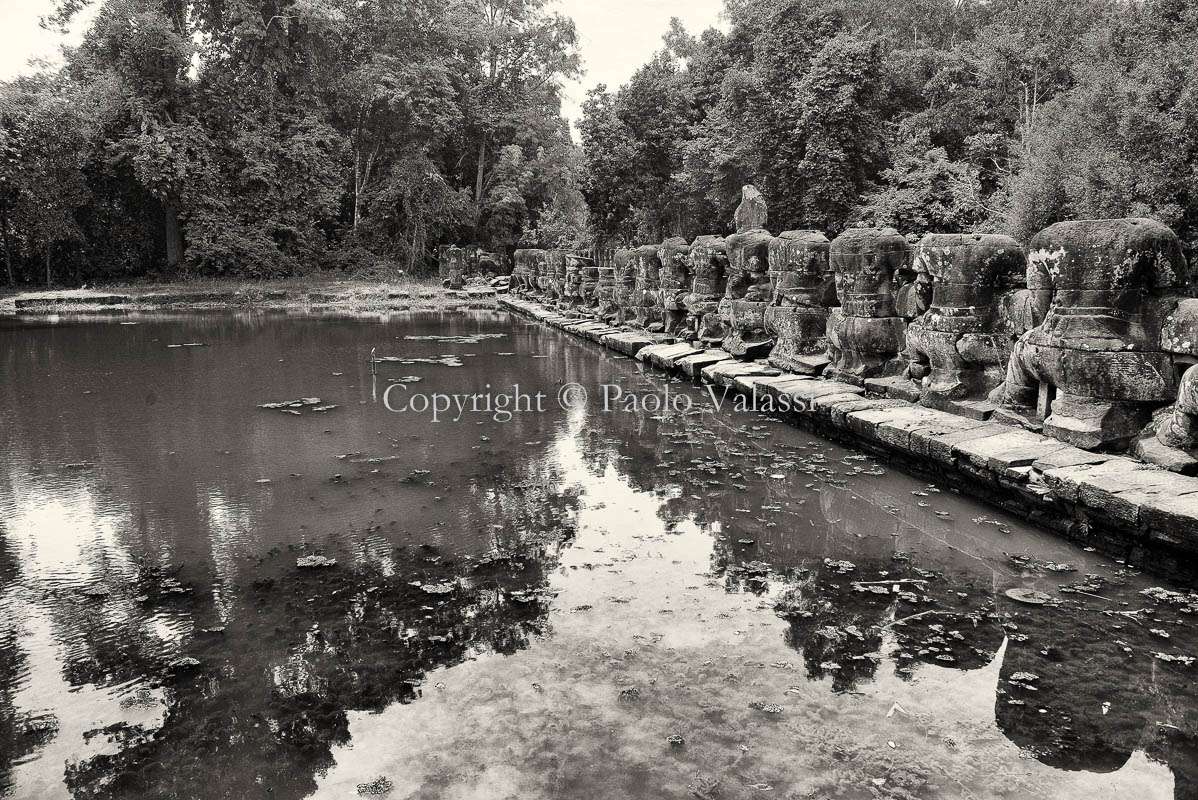
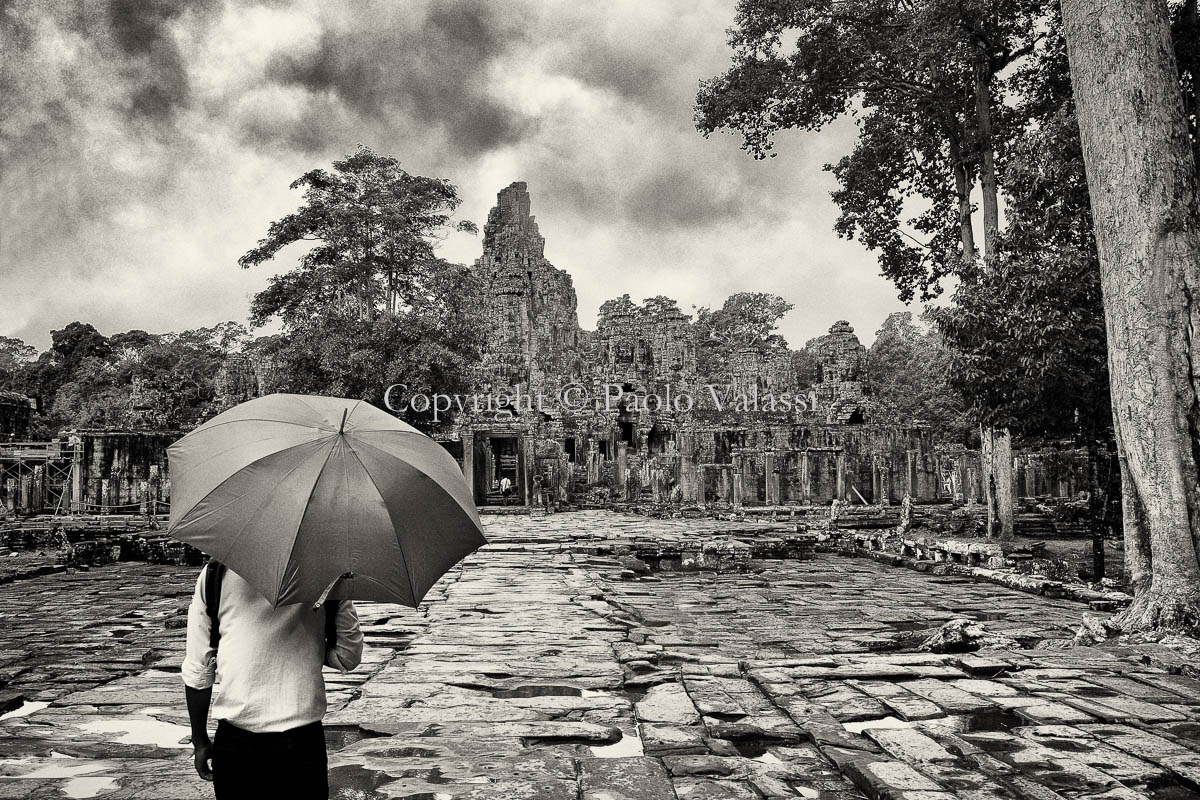
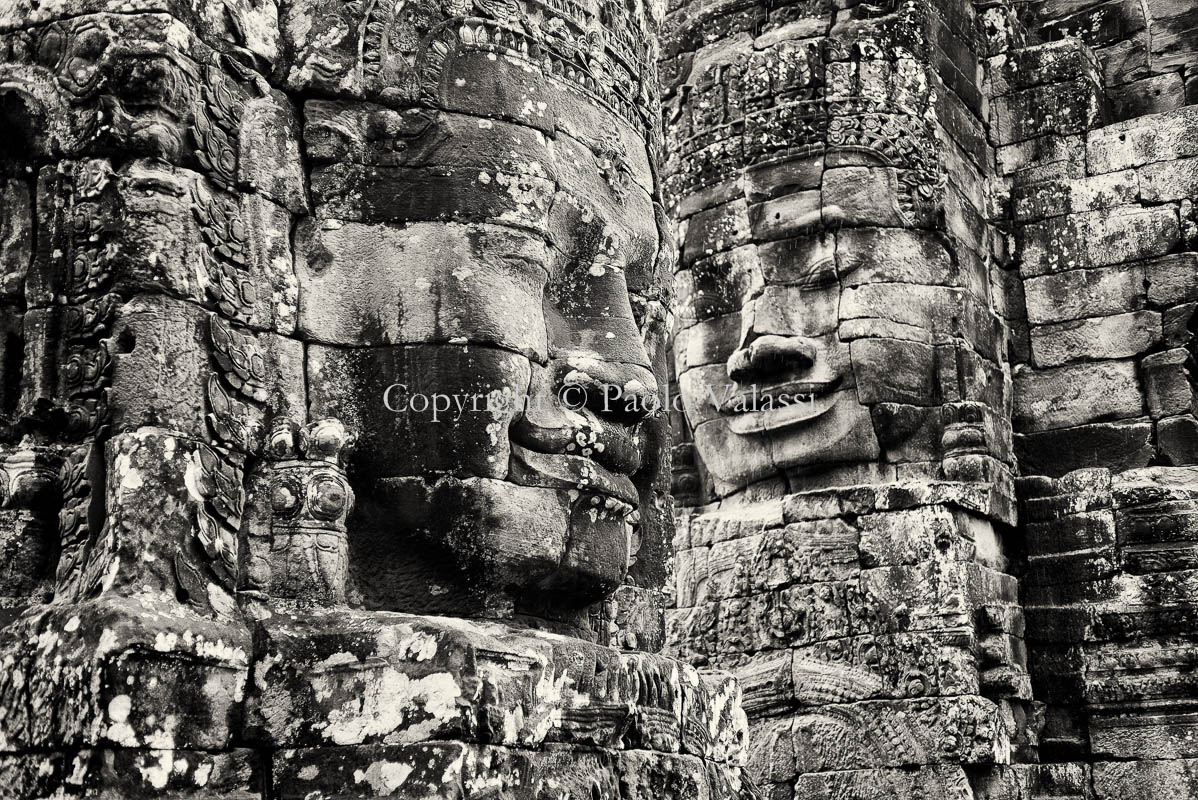
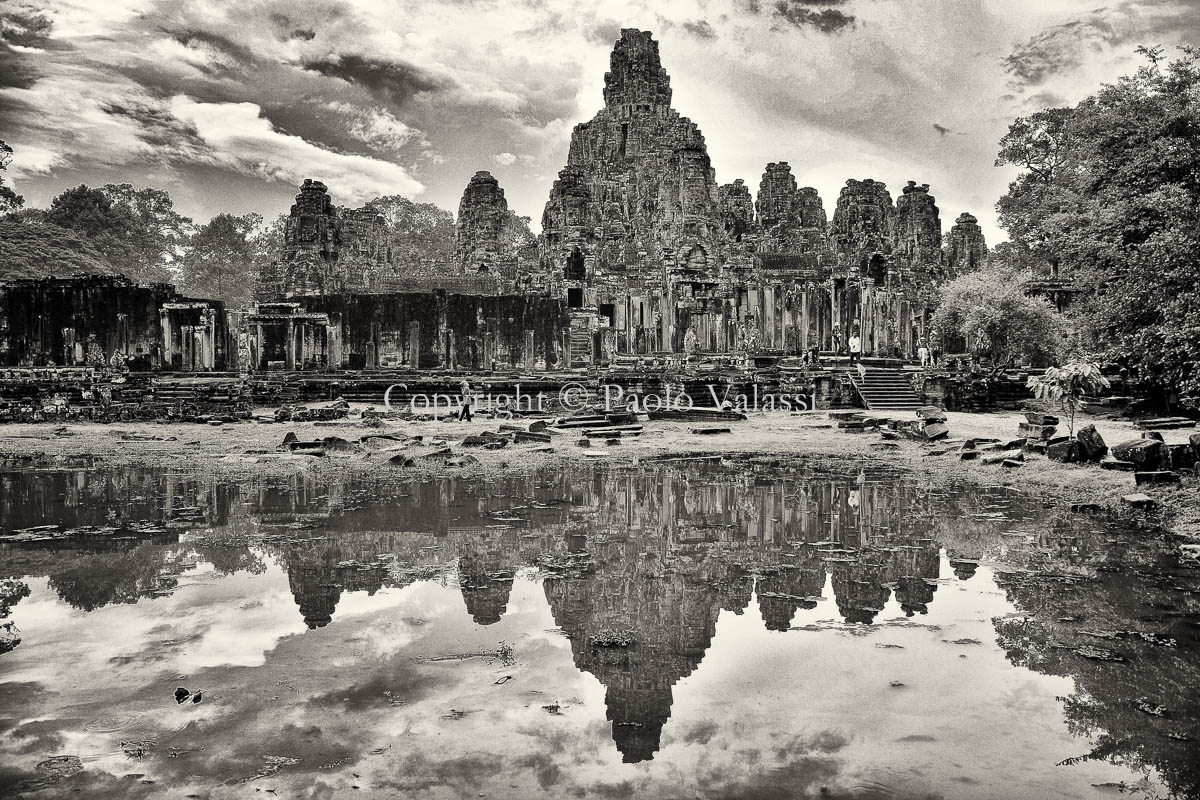
Angkor Thom & Bayon Temple: The last great capital city. At its center stands Bayon, famous for the hundreds of massive, serene stone faces carved into its towers.
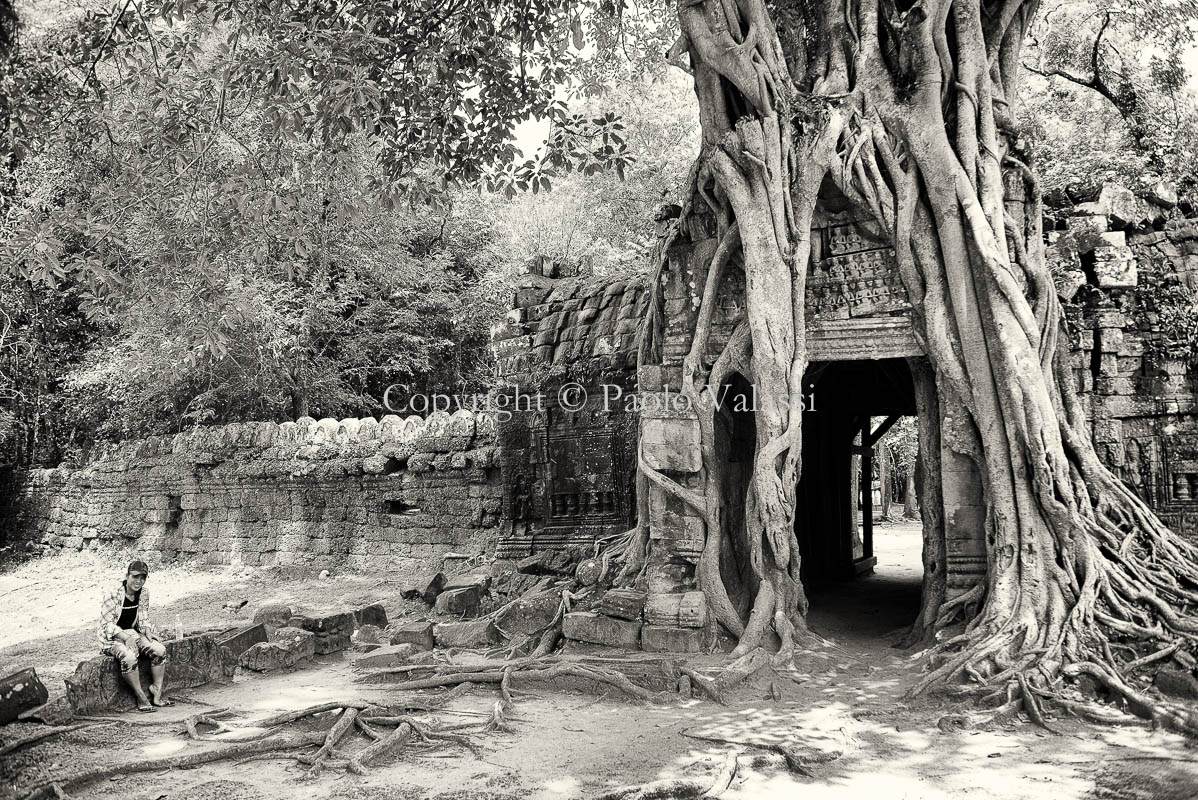
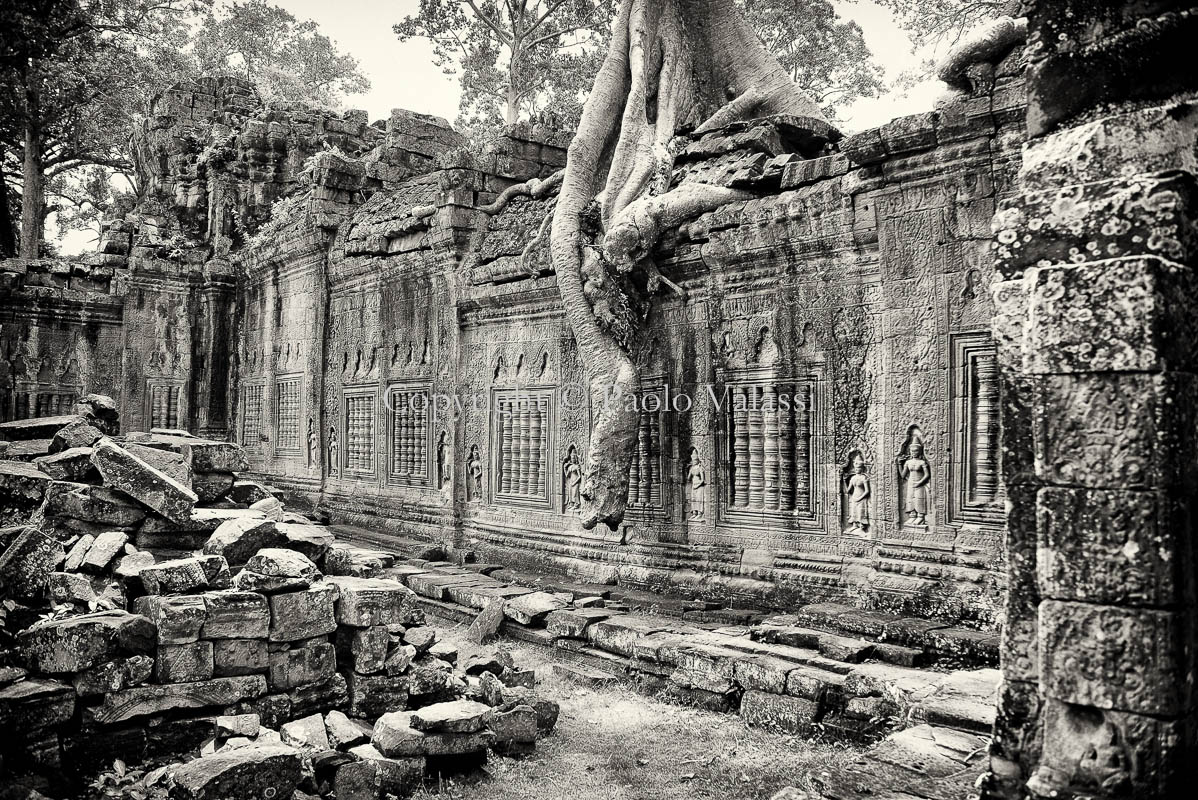
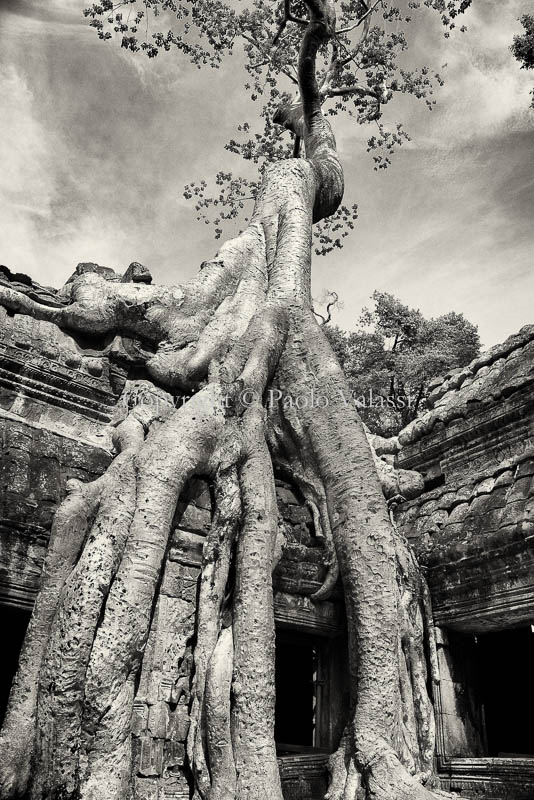
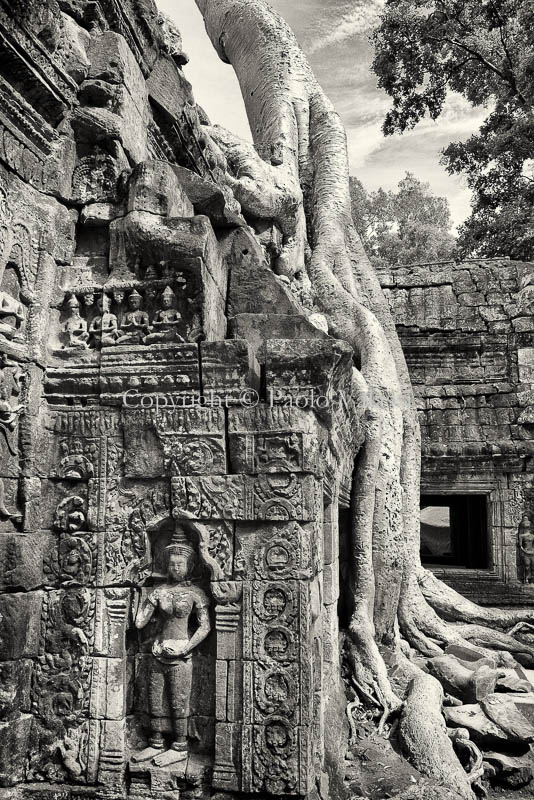
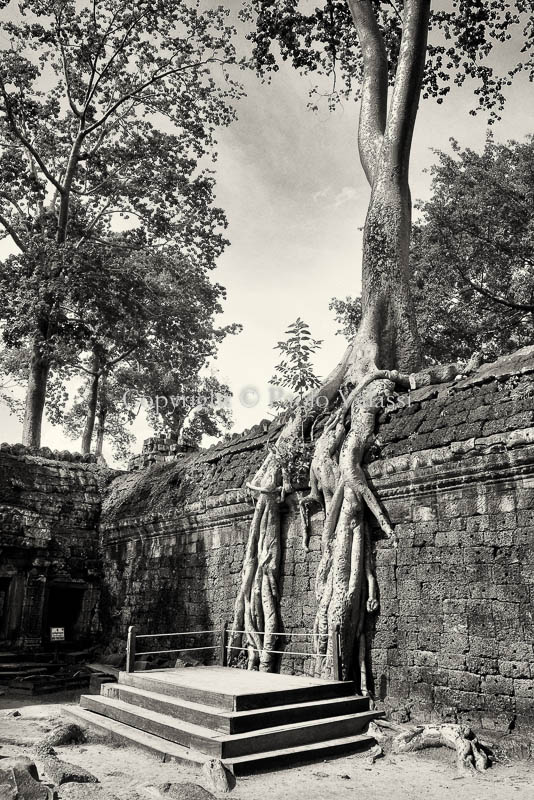
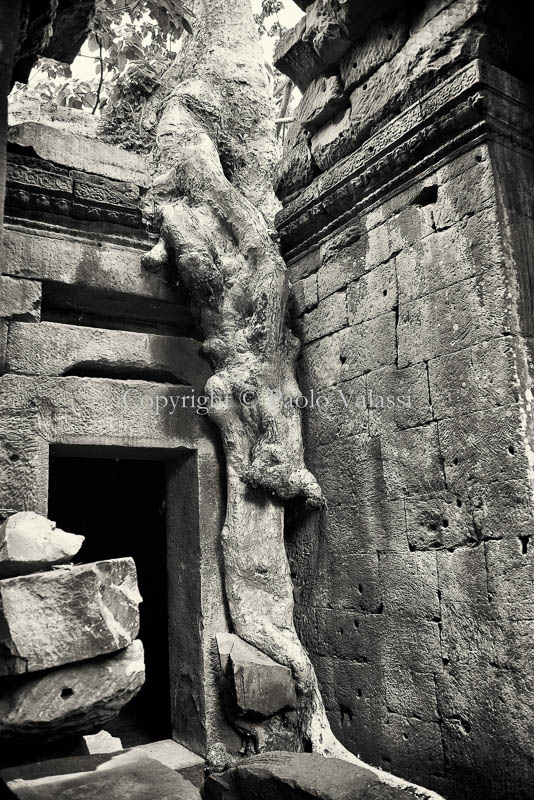
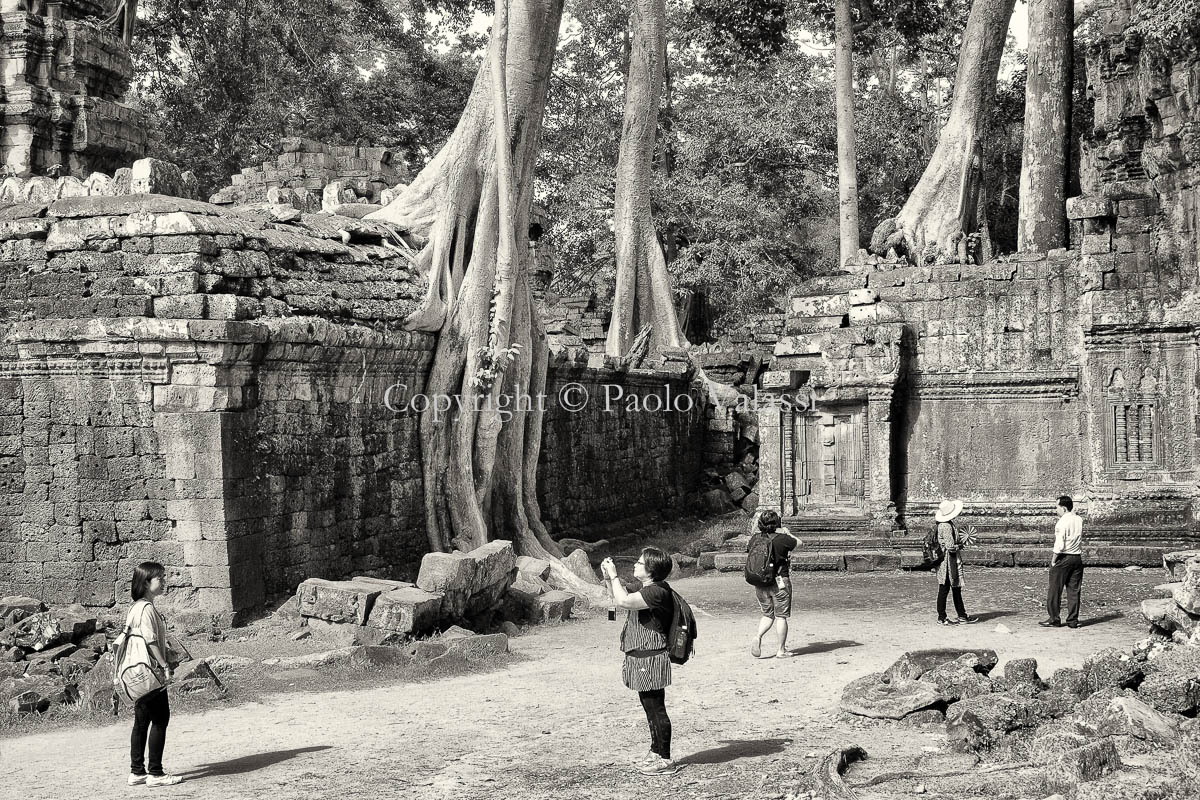
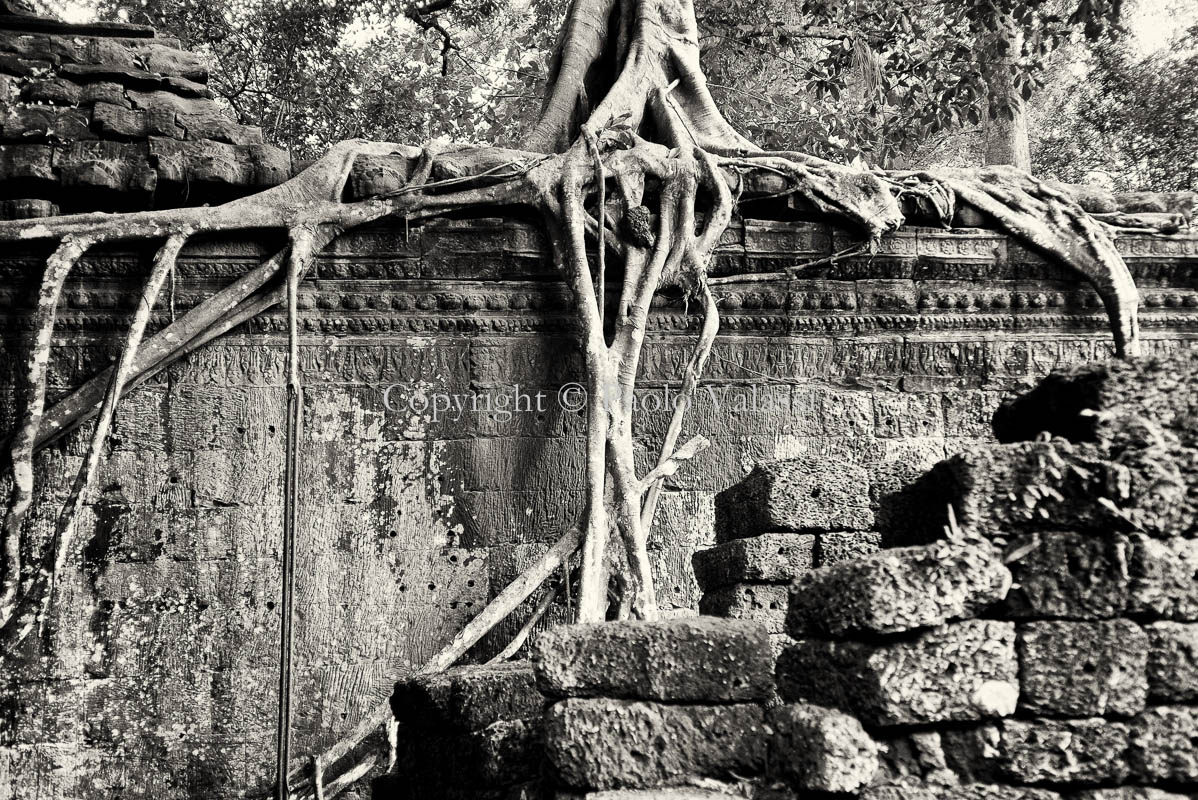
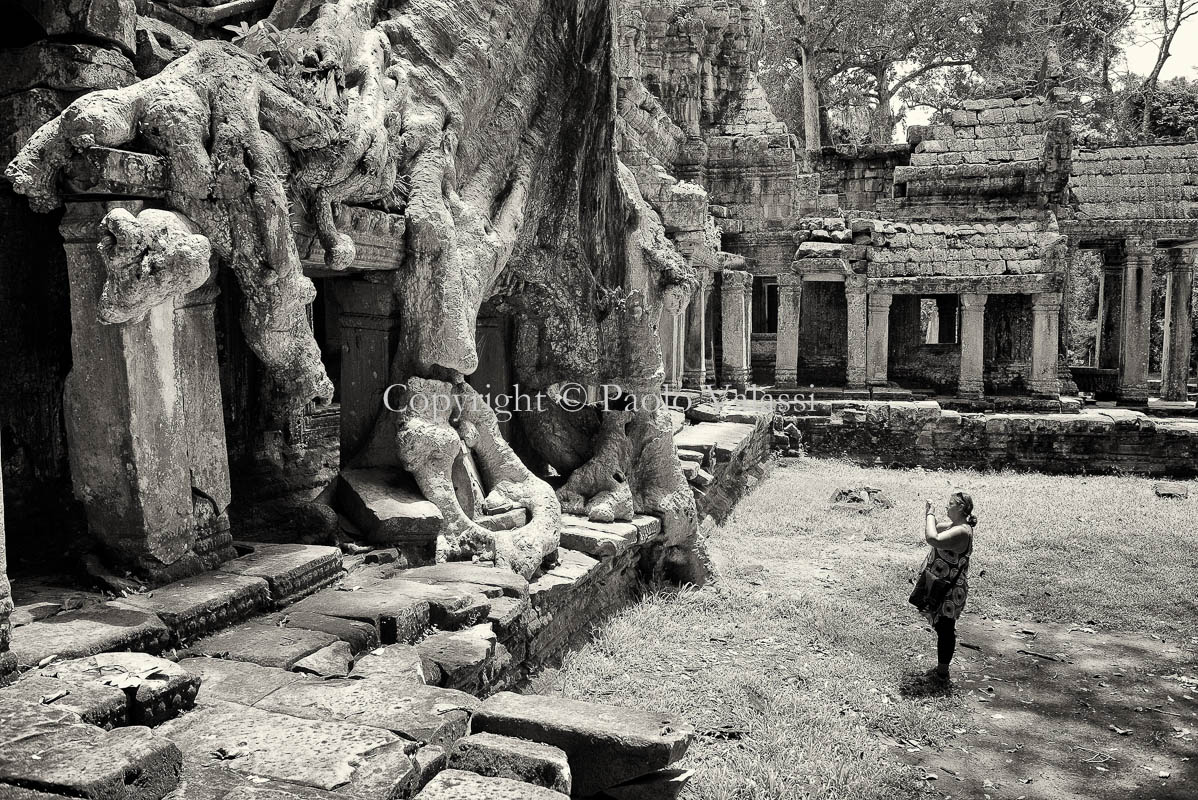
Ta Prohm: Known as the "Tomb Raider Temple," it was intentionally left in its natural state, with giant silk-cotton tree roots intertwined with the ancient stones.
Banteay Srei: Located approximately 5$ $km$ from the main group, this "Citadel of the Women" is built of pink sandstone and features the finest, most delicate carvings in Khmer art.
Logistics and Travel Tips (GEO-Location)
Angkor is situated just a few kilometers from the vibrant city of Siem Reap, the primary gateway for international travelers.
Arrival: The main entry point is the Siem Reap–Angkor International Airport (SAI). Travelers can also reach the area via bus from Phnom Penh or Bangkok.
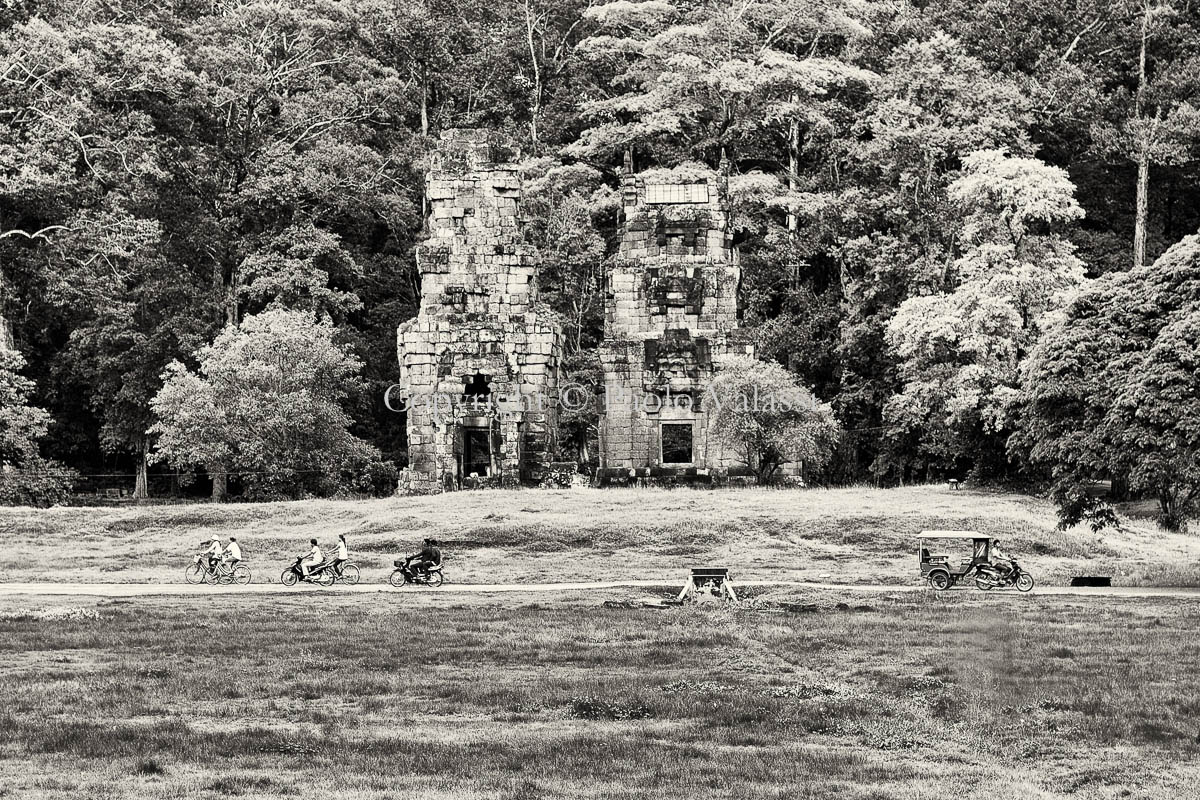
Local Transport: The most popular way to tour the temples is by hiring a tuk-tuk with a local driver. Biking and private cars are also common options.
Best Time to Visit: The dry season (November to February) offers the best weather, though the "green season" (May to October) provides lush landscapes and fewer crowds.