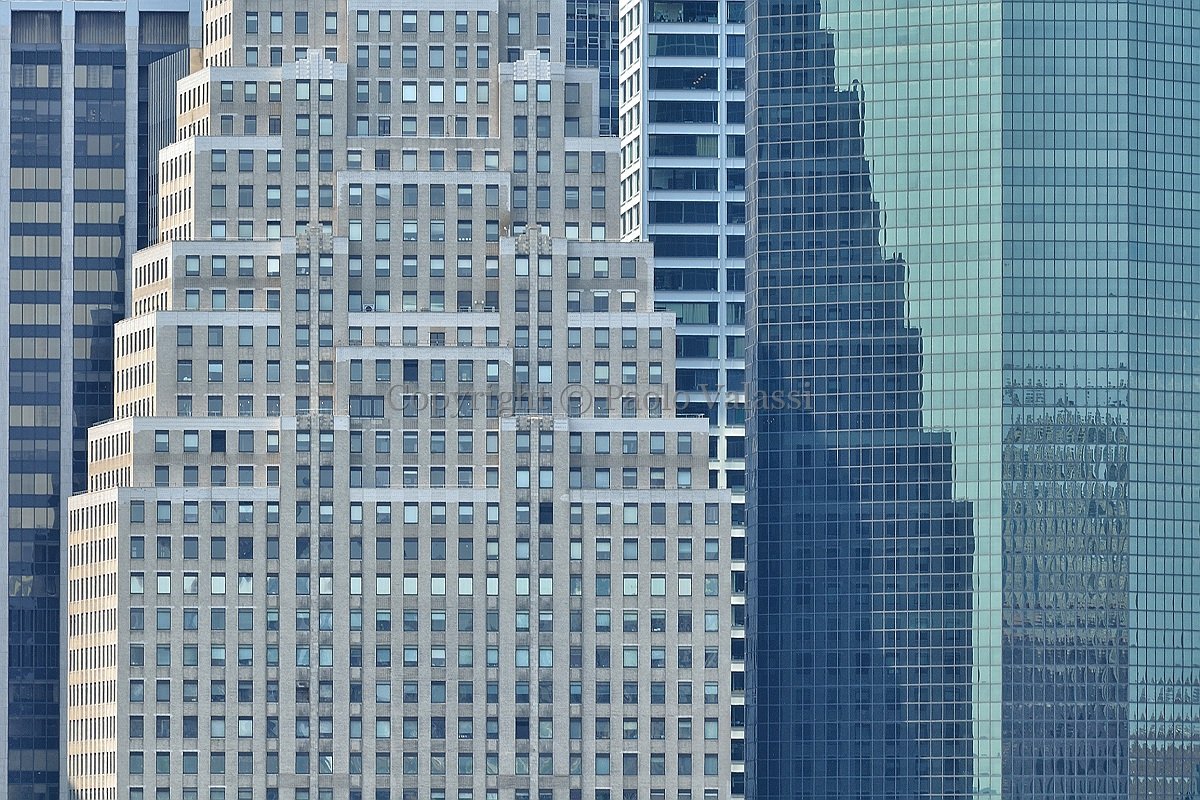
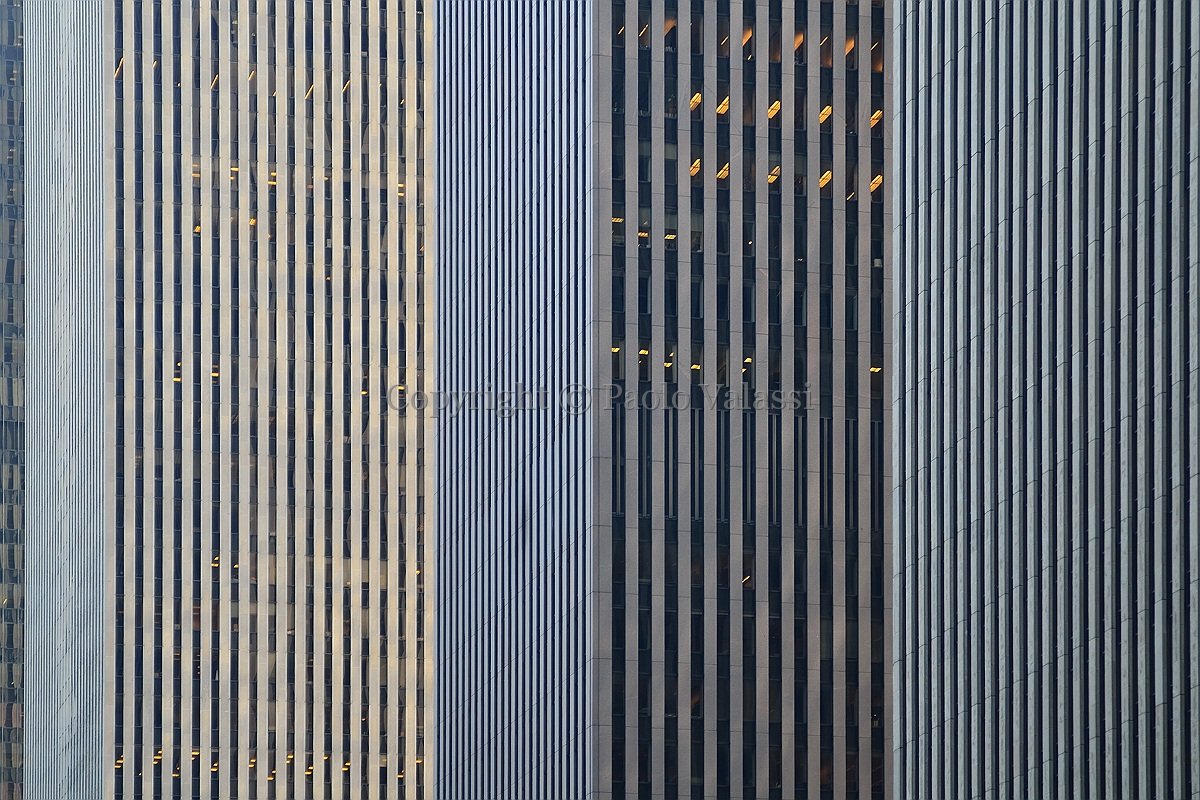
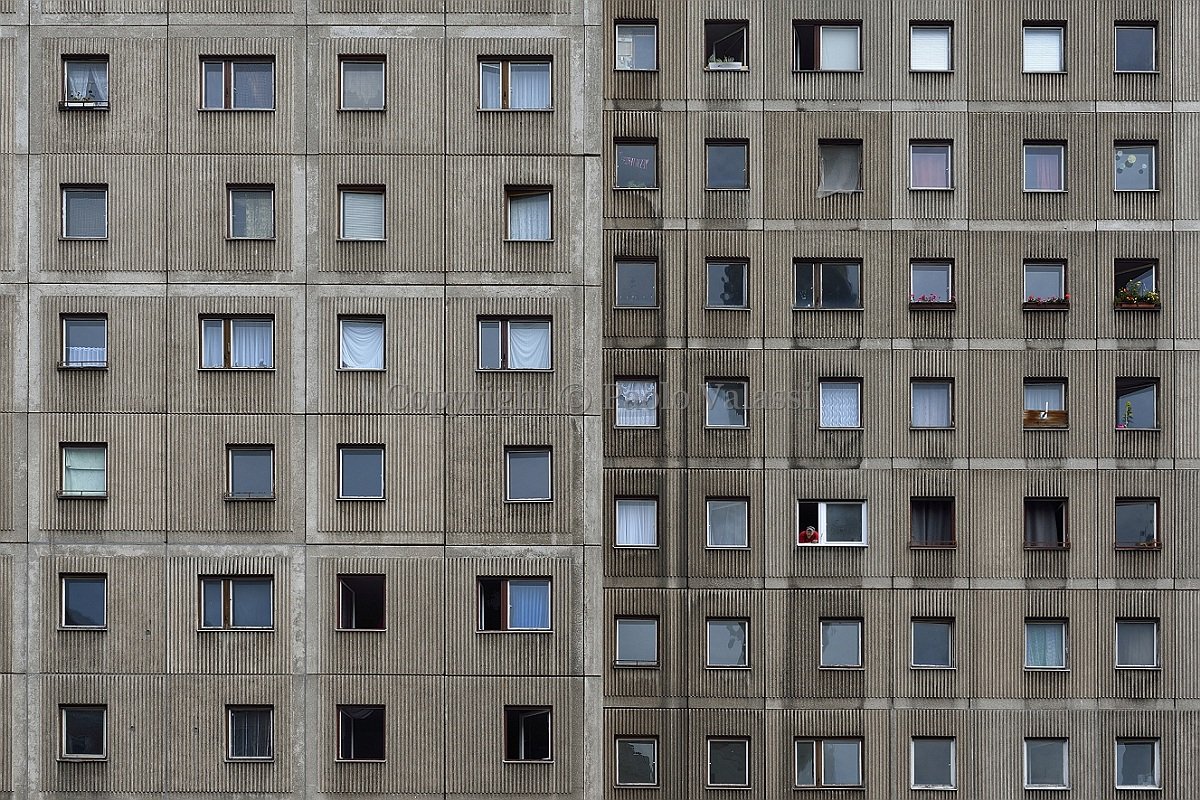
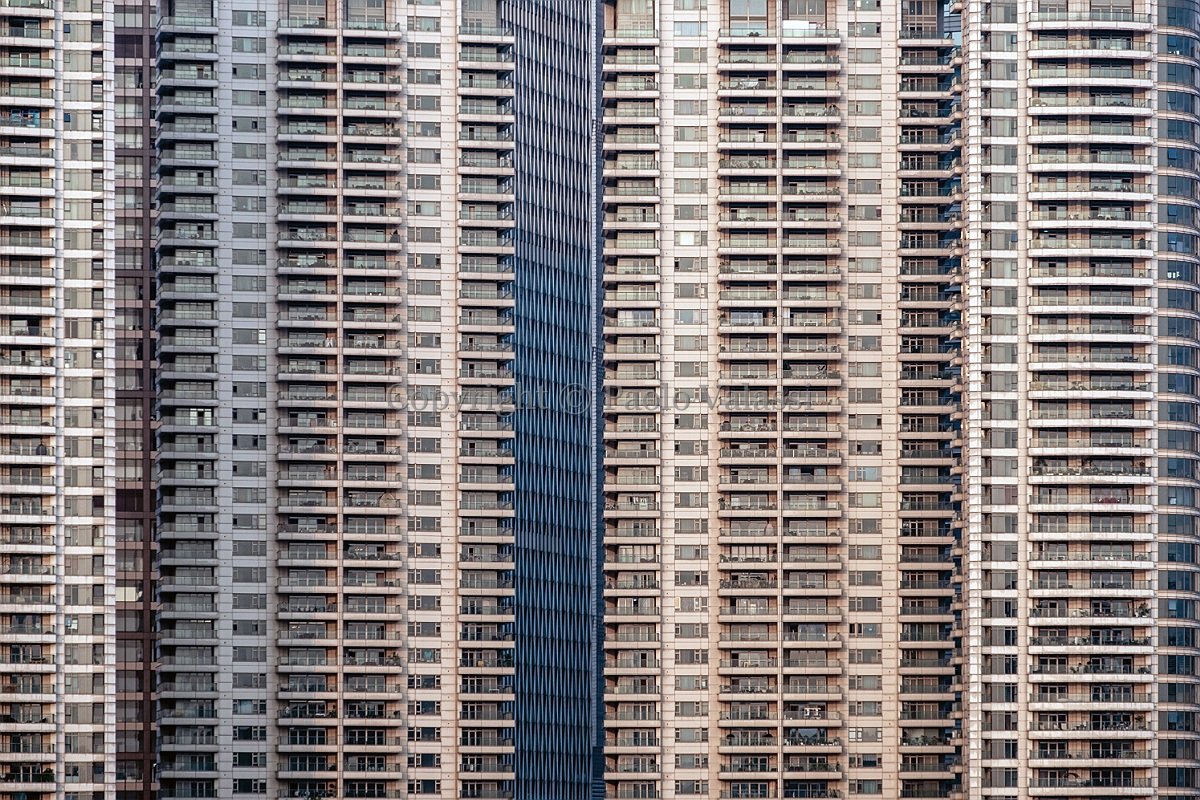
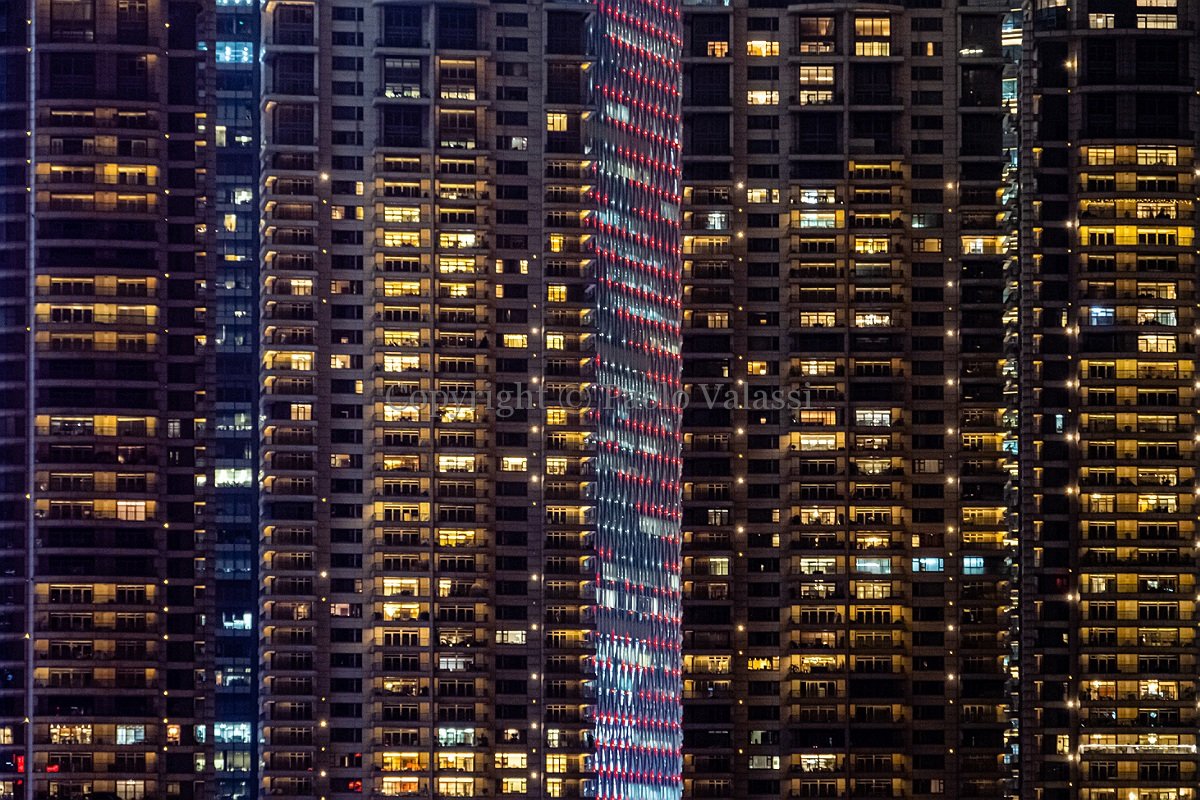
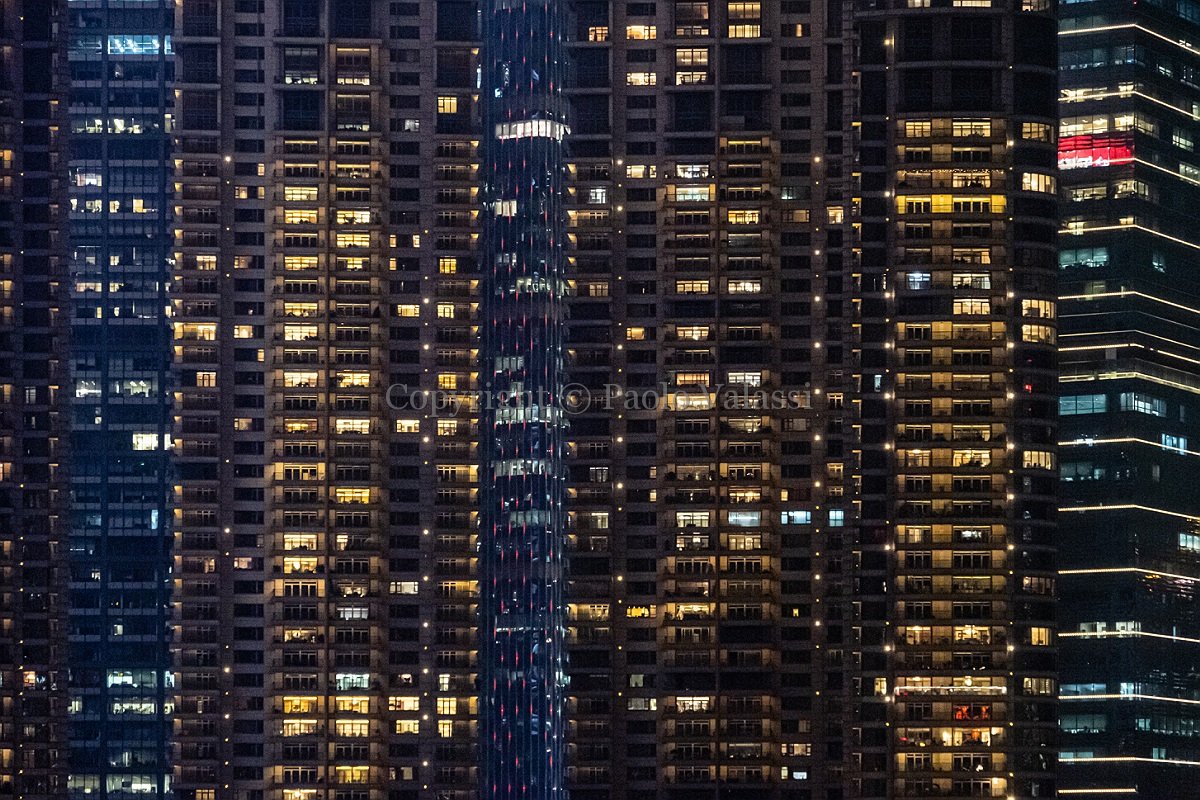
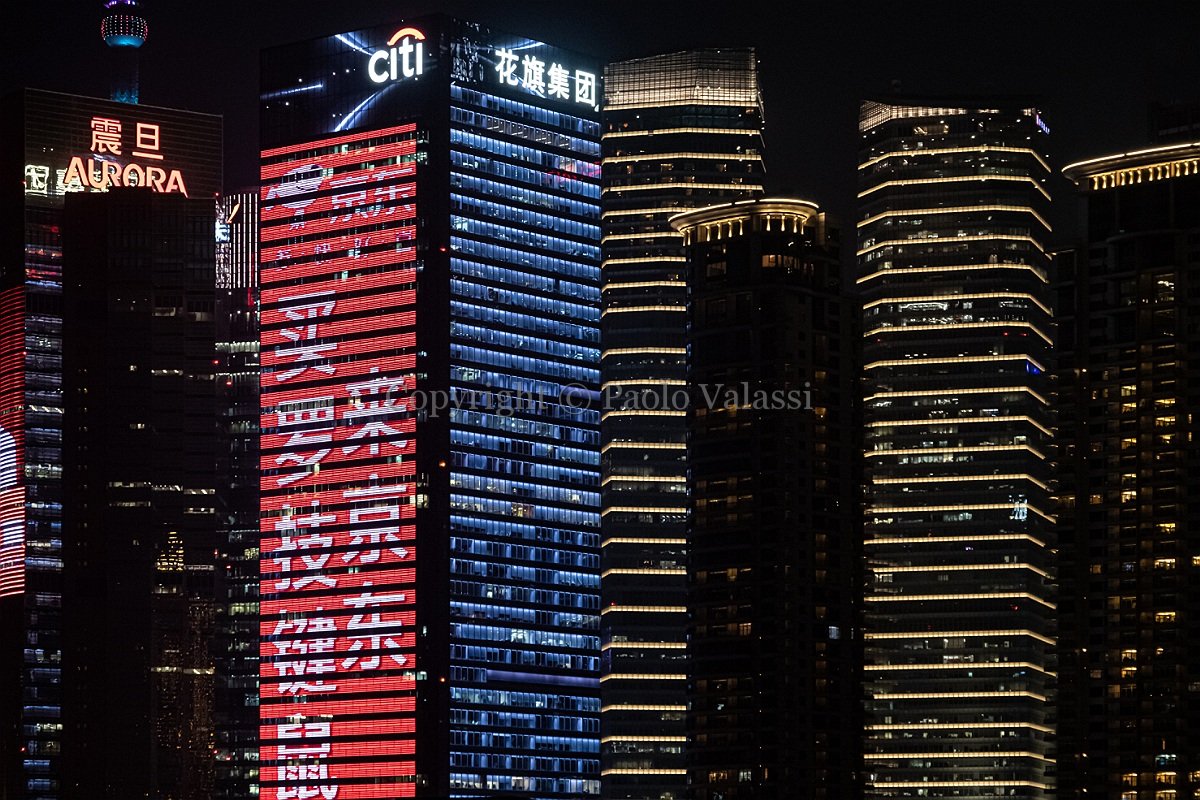
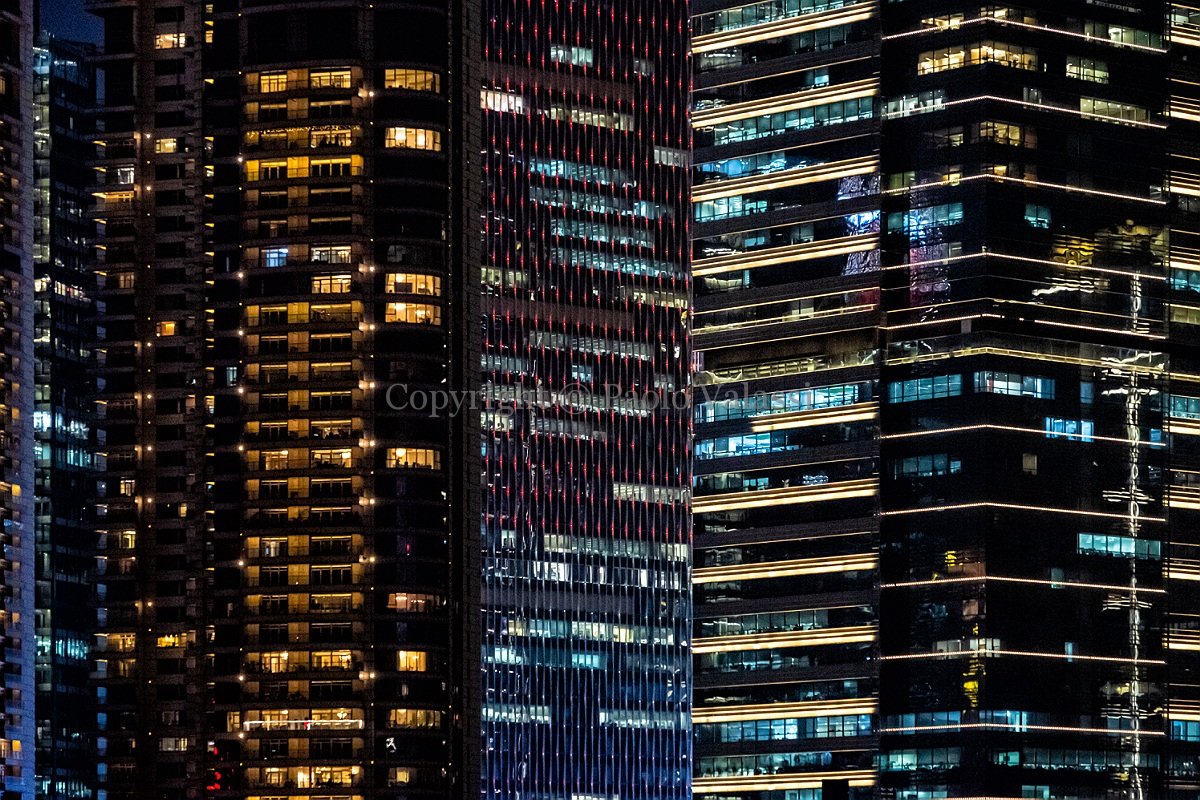
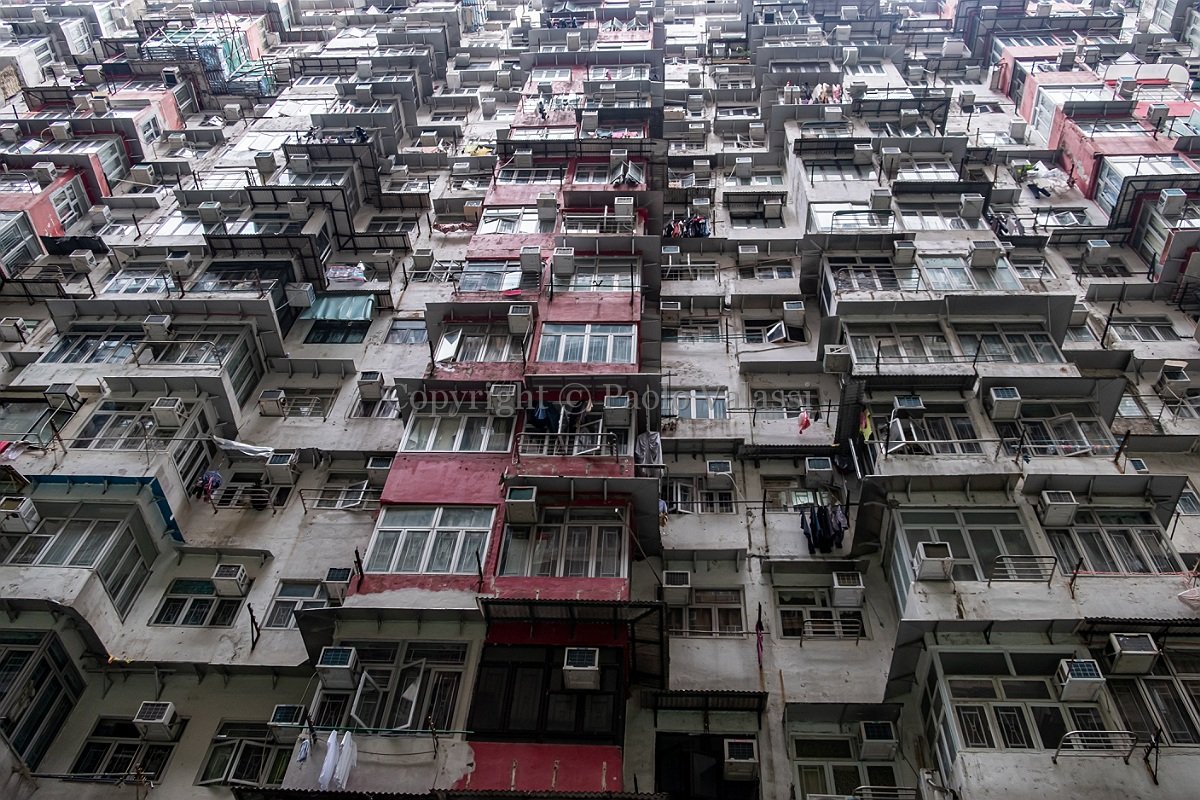
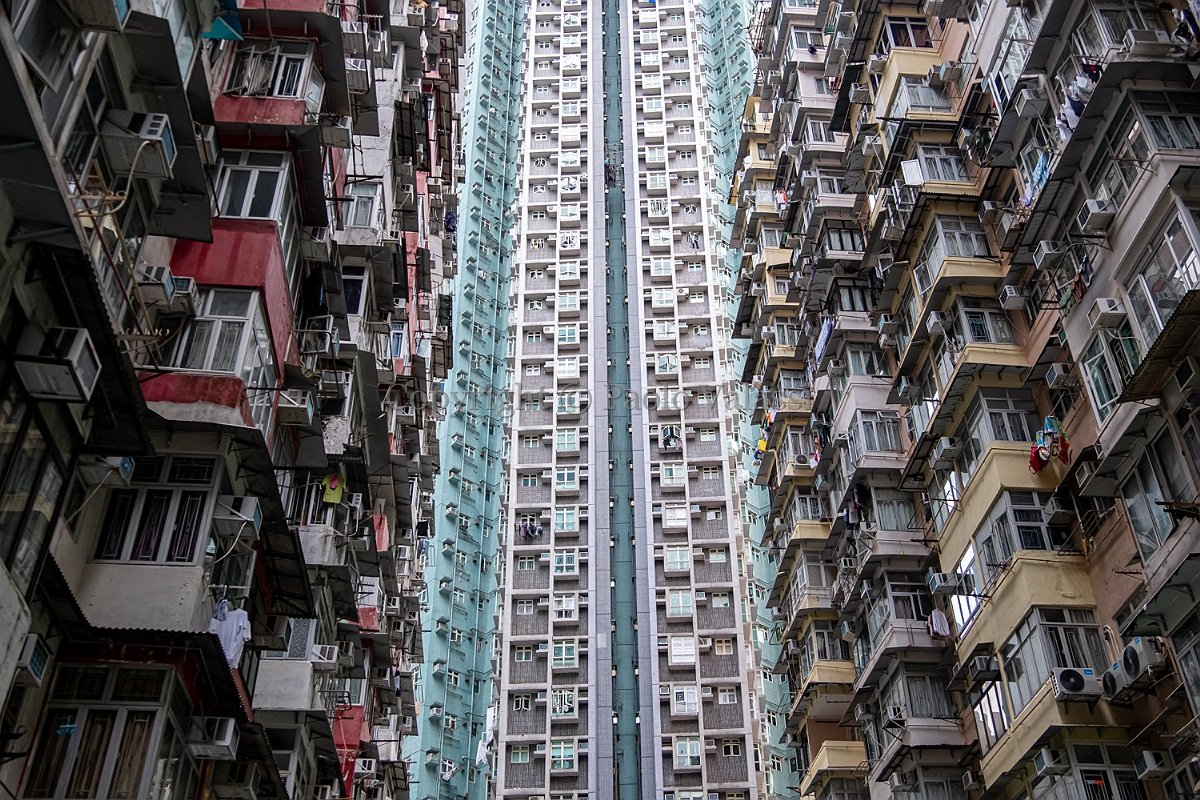
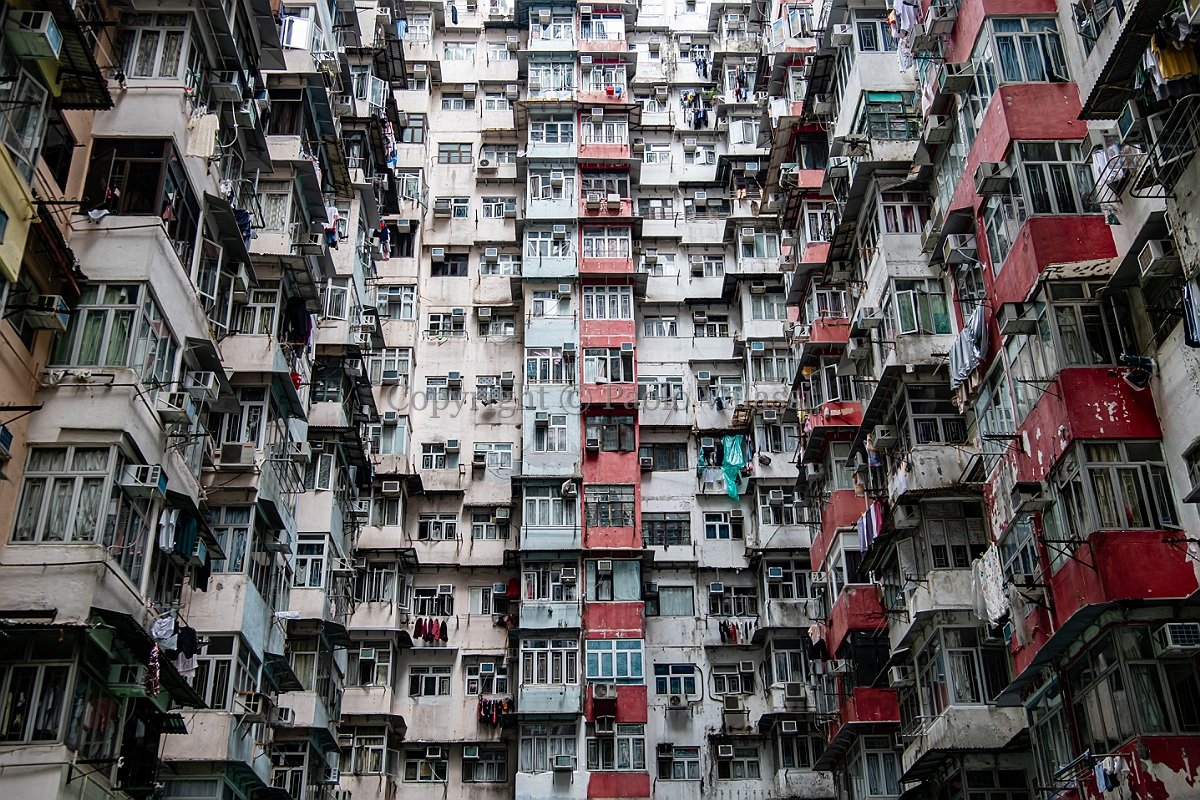
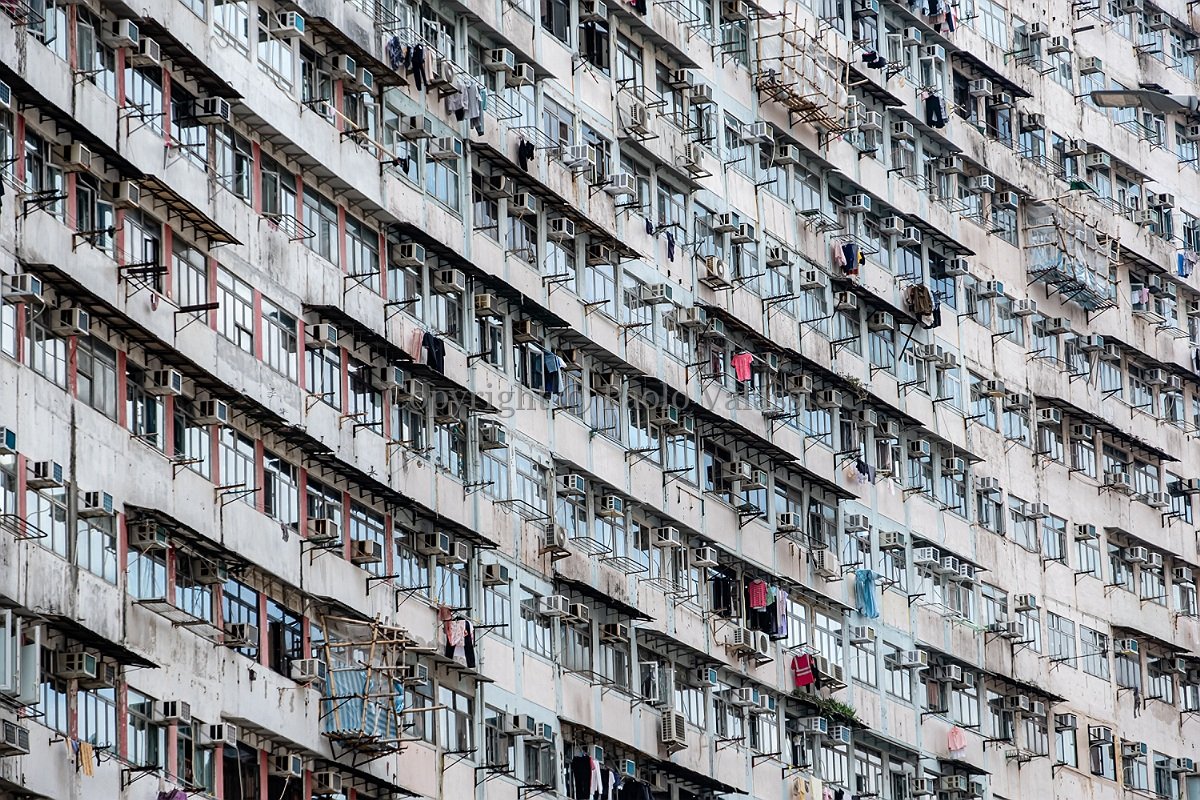
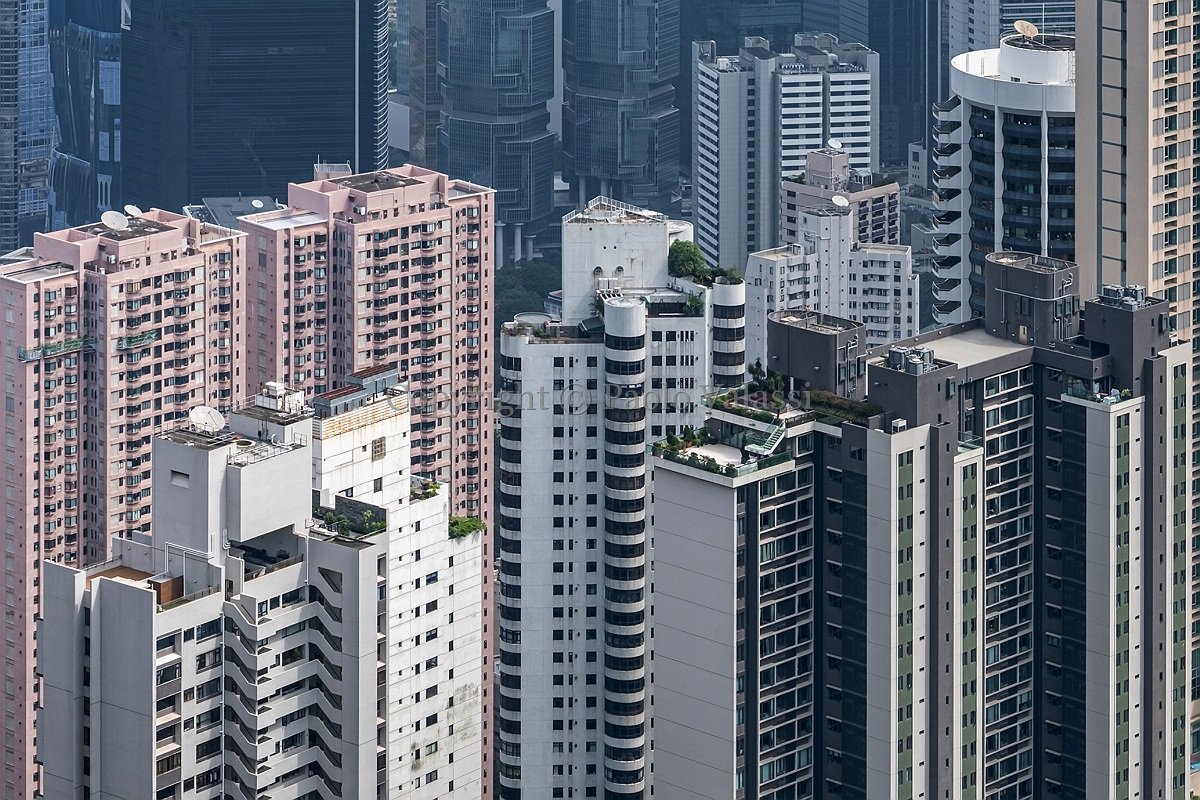
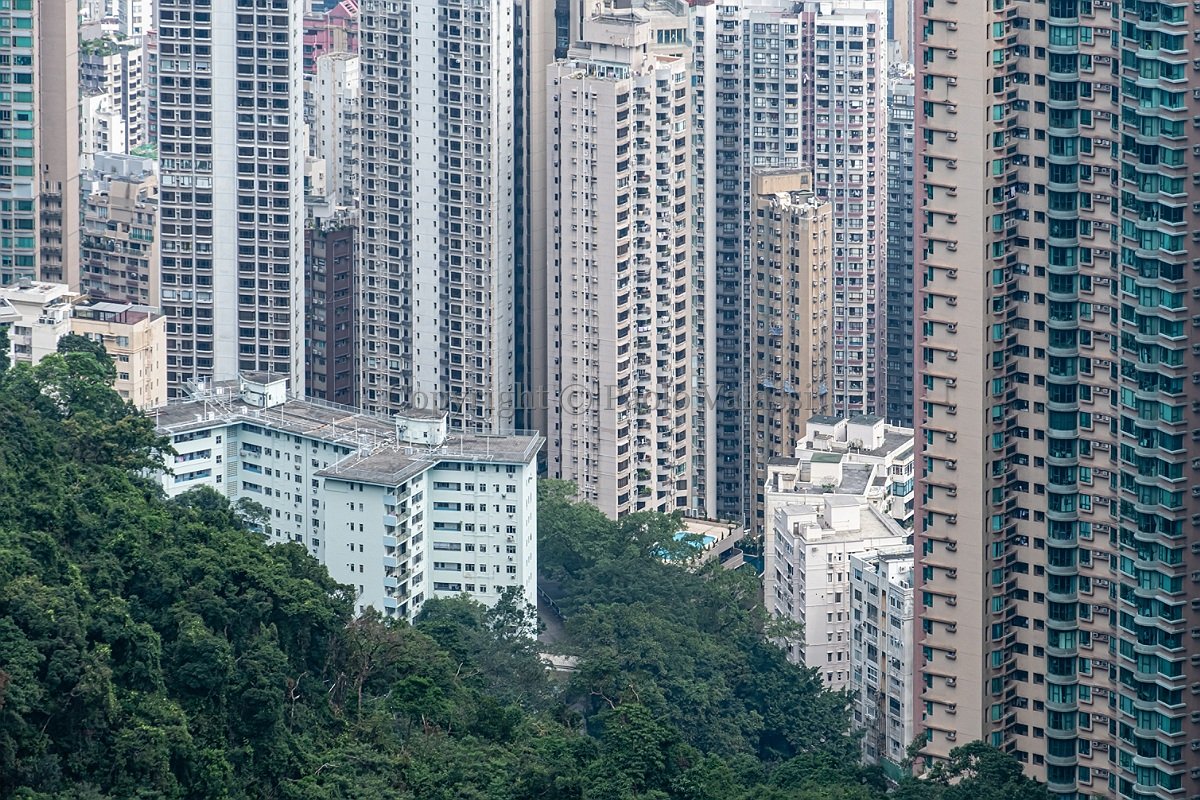
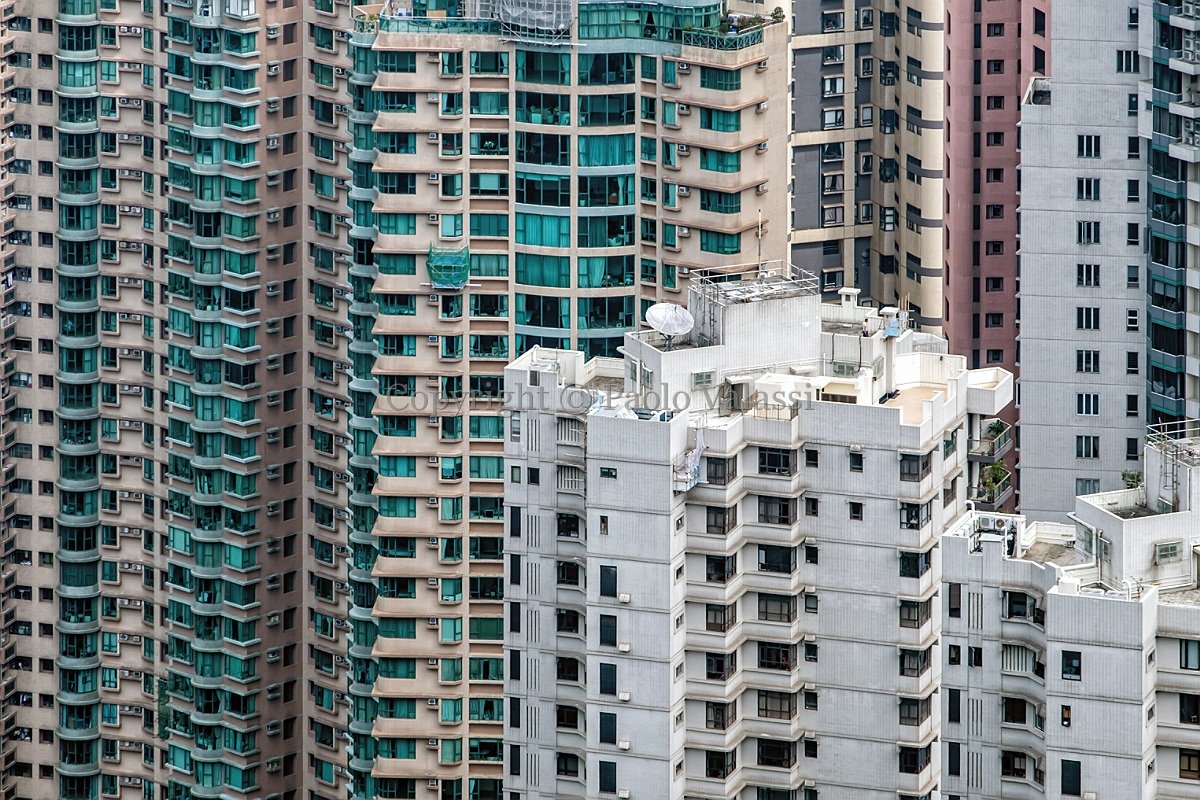
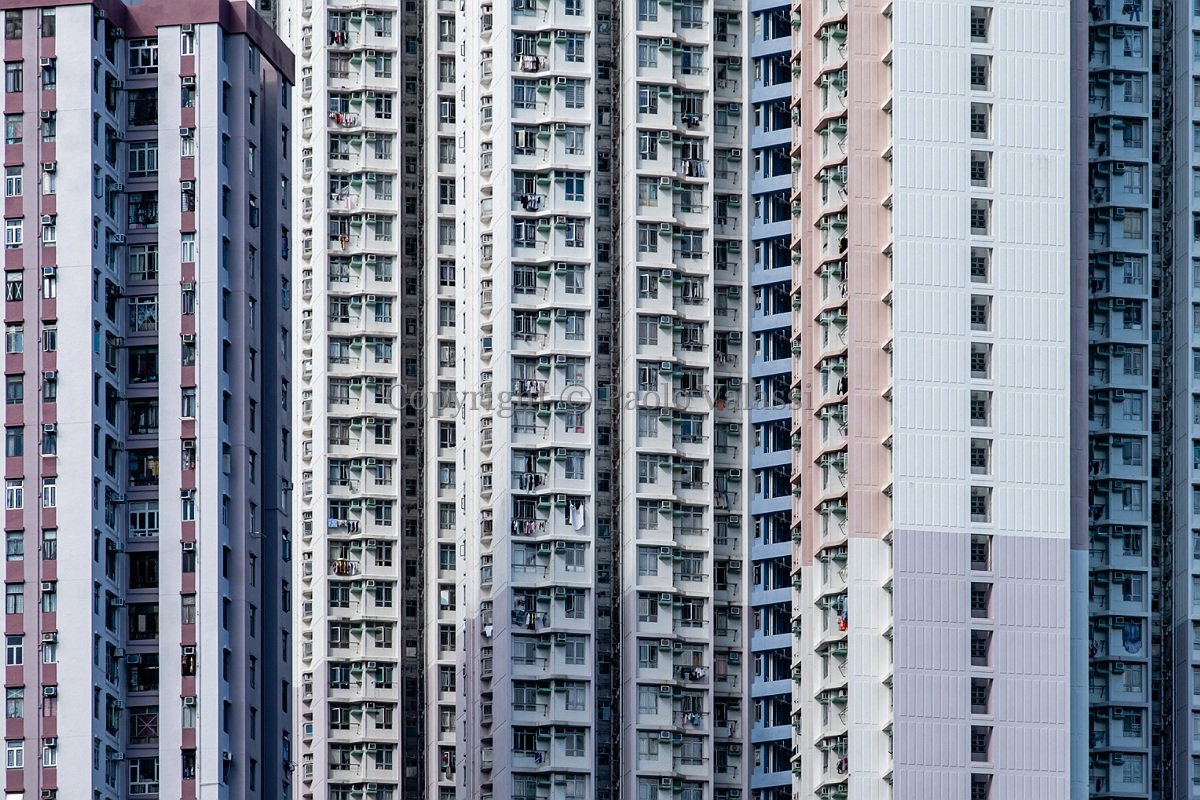
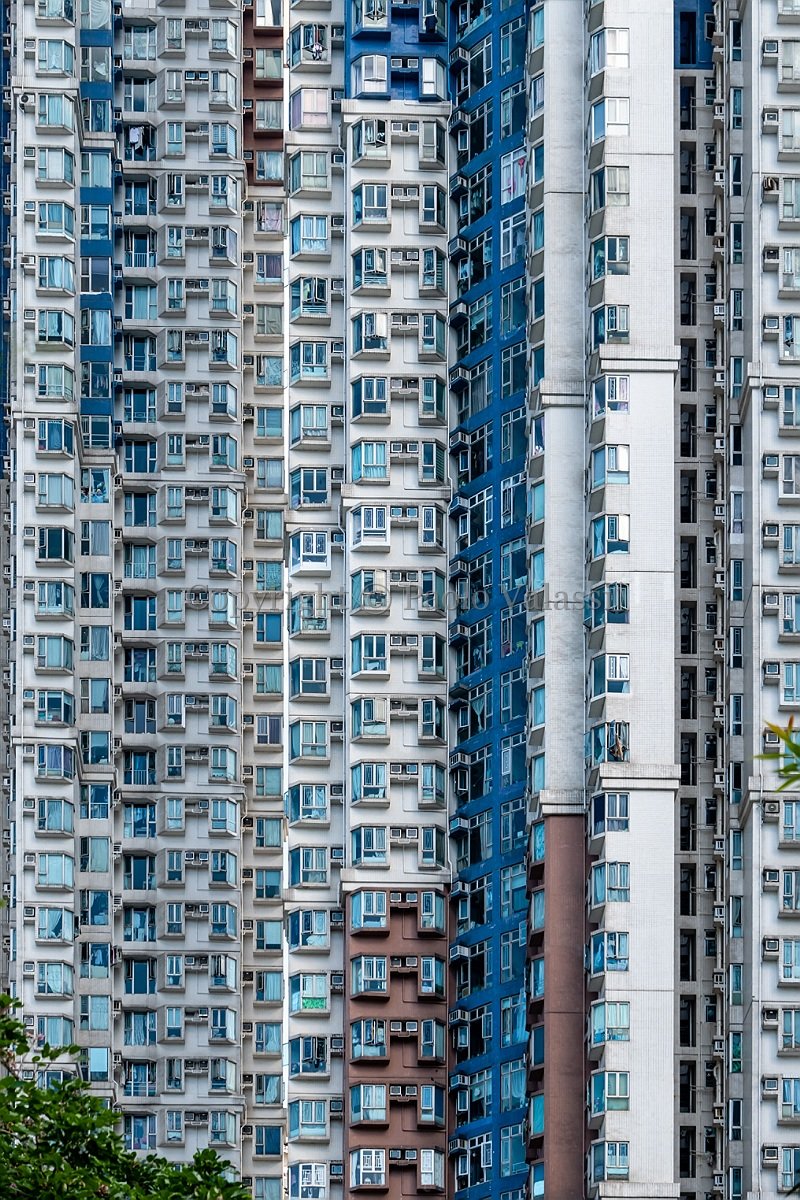
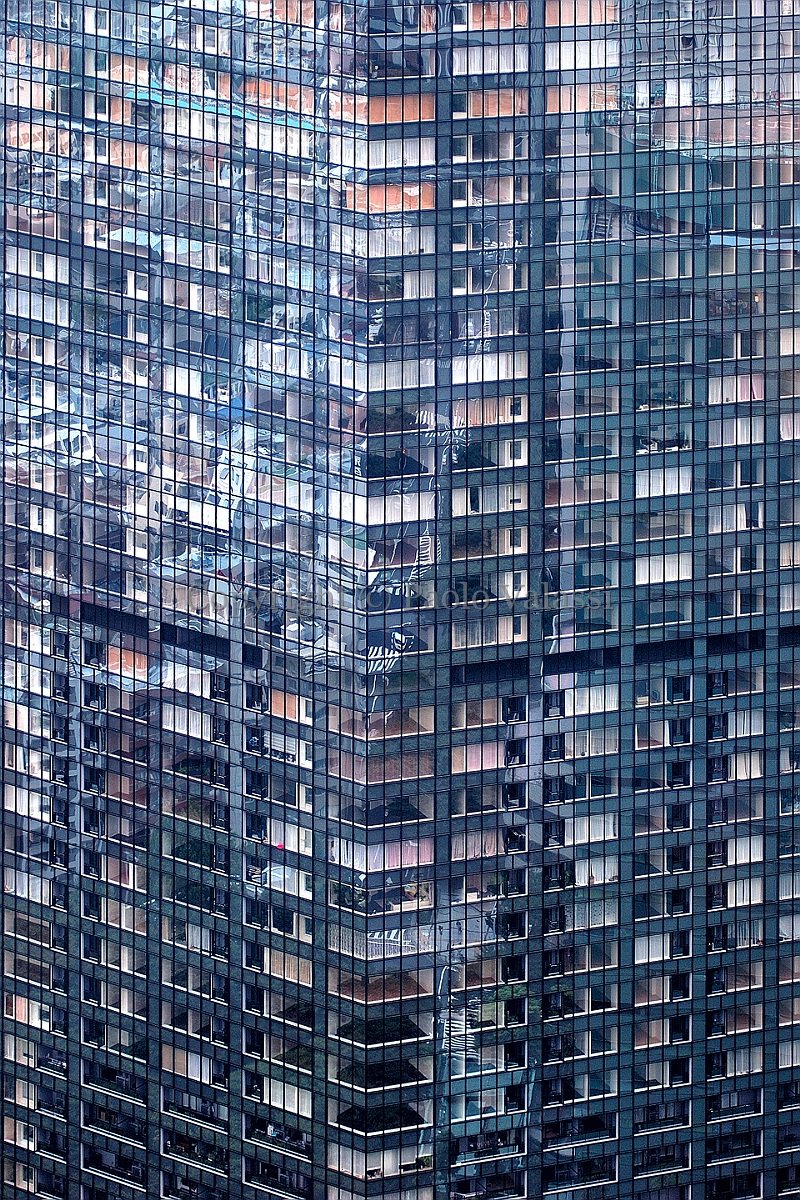
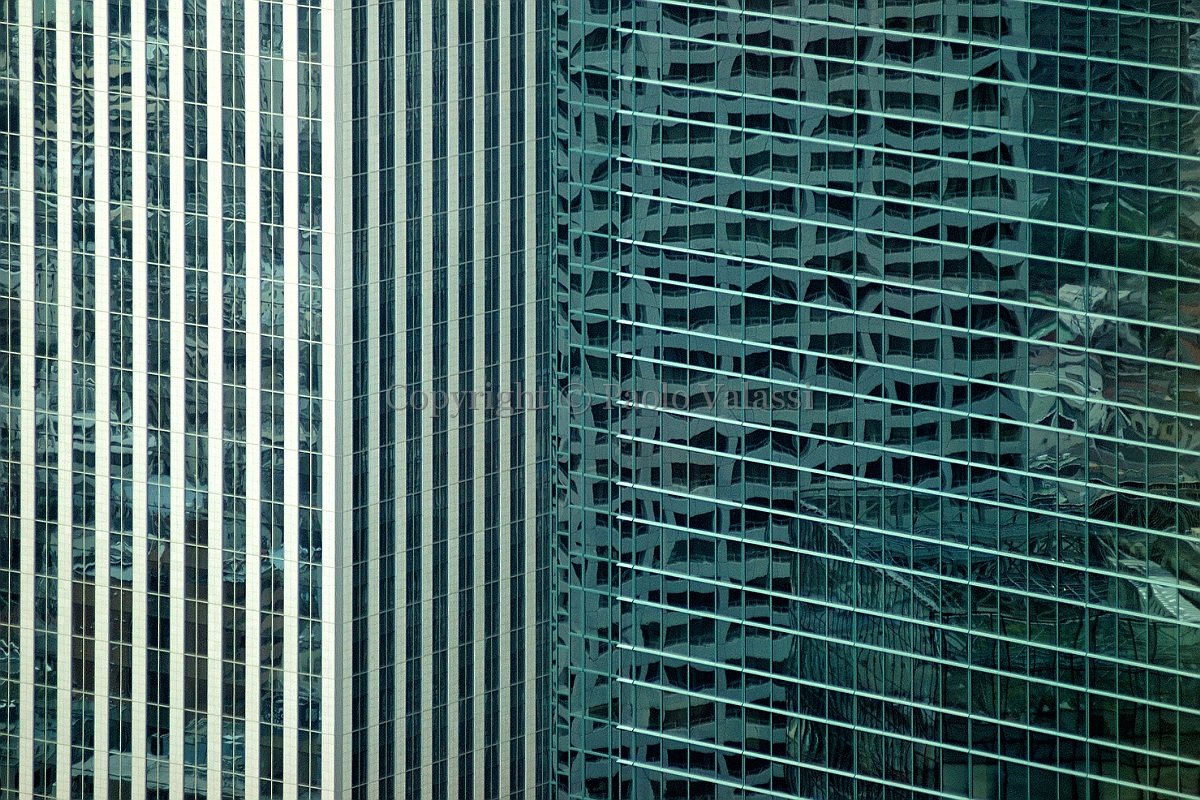
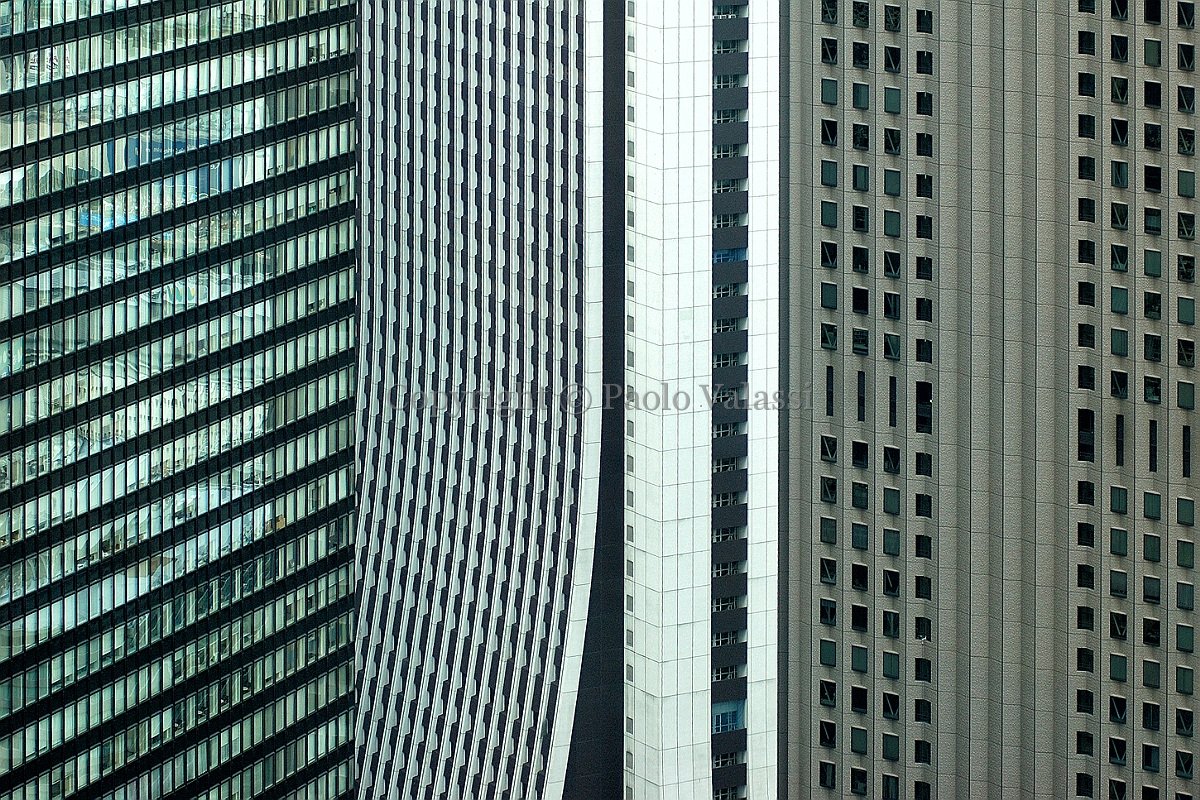
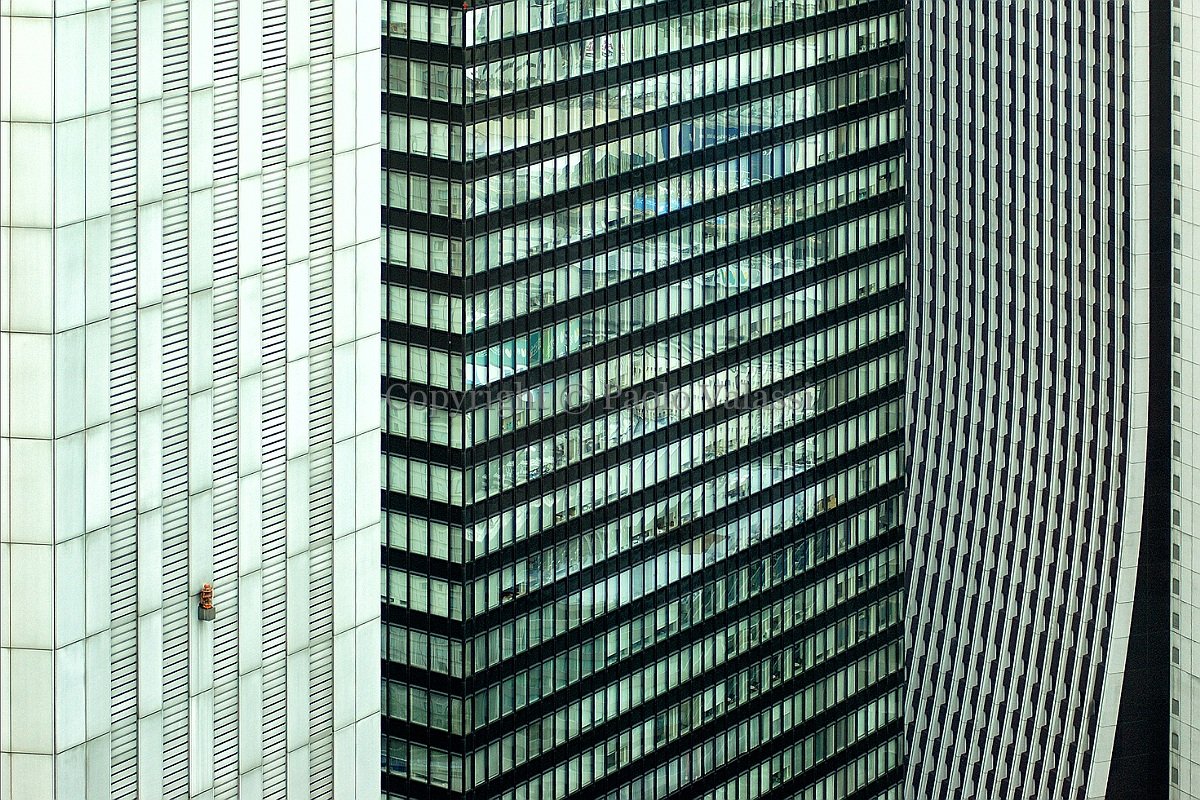
The phenomenon of uncontrolled urbanization and vertical expansion is driven by complex socio-economic factors. Exponential population growth, combined with a scarcity of developable land, pushes modern metropolises toward extreme verticality. Without sustainable urban planning, the rising demand for housing and infrastructure in growing economies transforms cities into high-density ecosystems, often described as "hive cities."
The world’s most famous skylines are defined by towering skyscrapers that push the boundaries of modern architecture. Some cities, however, have taken population density to a new level.
The Hong Kong skyline is the ultimate testament to its status as a global financial hub. The density of buildings, packed between the coastline and the mountains, creates the impression of a vertical metropolis. Neon lights and digital billboards adorn residential and office towers, forming a human hive where commerce and daily life intertwine within minimal square footage.
In Shanghai, the skyline is a symphony of styles blending futuristic design with tradition. The Pudong District is home to architectural giants like the Shanghai World Financial Center and the Shanghai Tower. These buildings, with their aerodynamic lines, represent China's modern dynamism and the engineering challenge of urban overcrowding.
New York City, particularly the borough of Manhattan, is where the concept of the skyscraper was born. Iconic structures like the Empire State Building and the Chrysler Building are more than just monuments; they are cells of inexhaustible urban energy. New York's building density reflects a pioneering spirit that transformed the island into one of the densest nodes on the planet.
The Tokyo skyline reflects a unique blend of cutting-edge technology and Japanese tradition. Despite its extreme density, Tokyo stands out for its integration of bioclimatic architecture, with skyscrapers incorporating hanging gardens and vertical parks to mitigate the impact of rapid urbanization on citizen well-being.
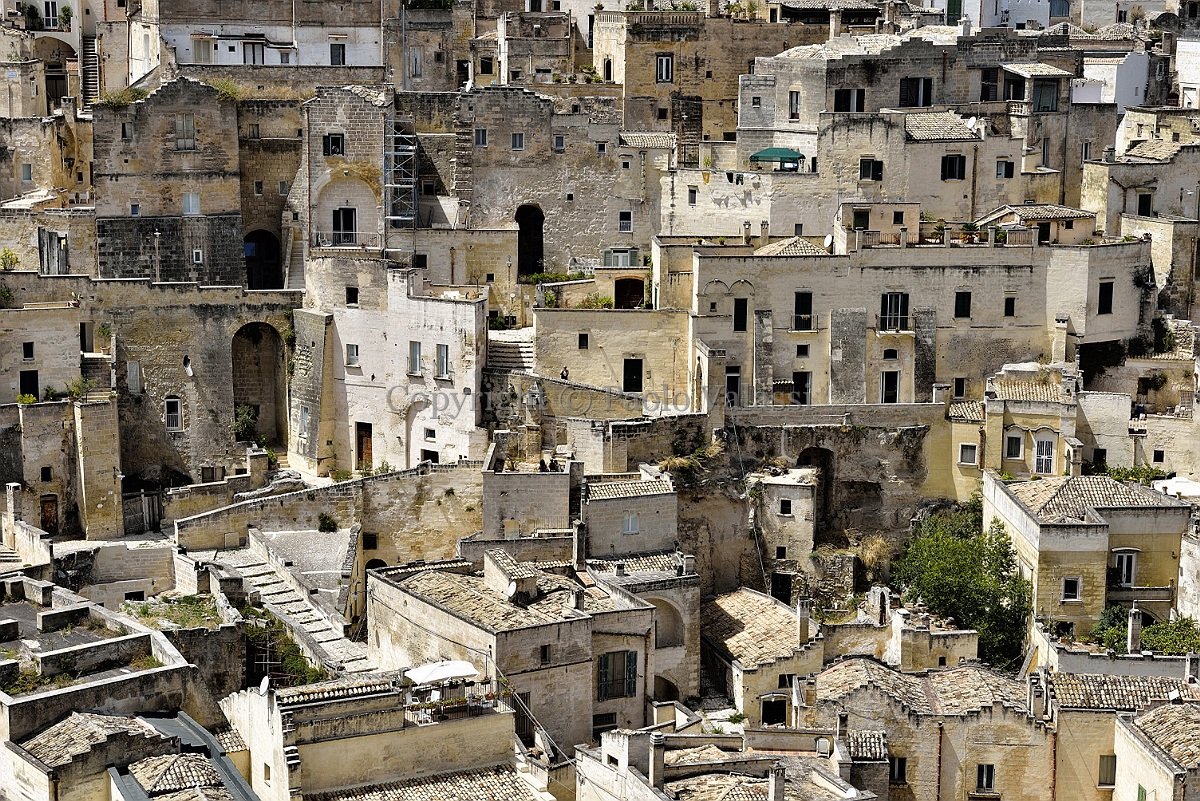
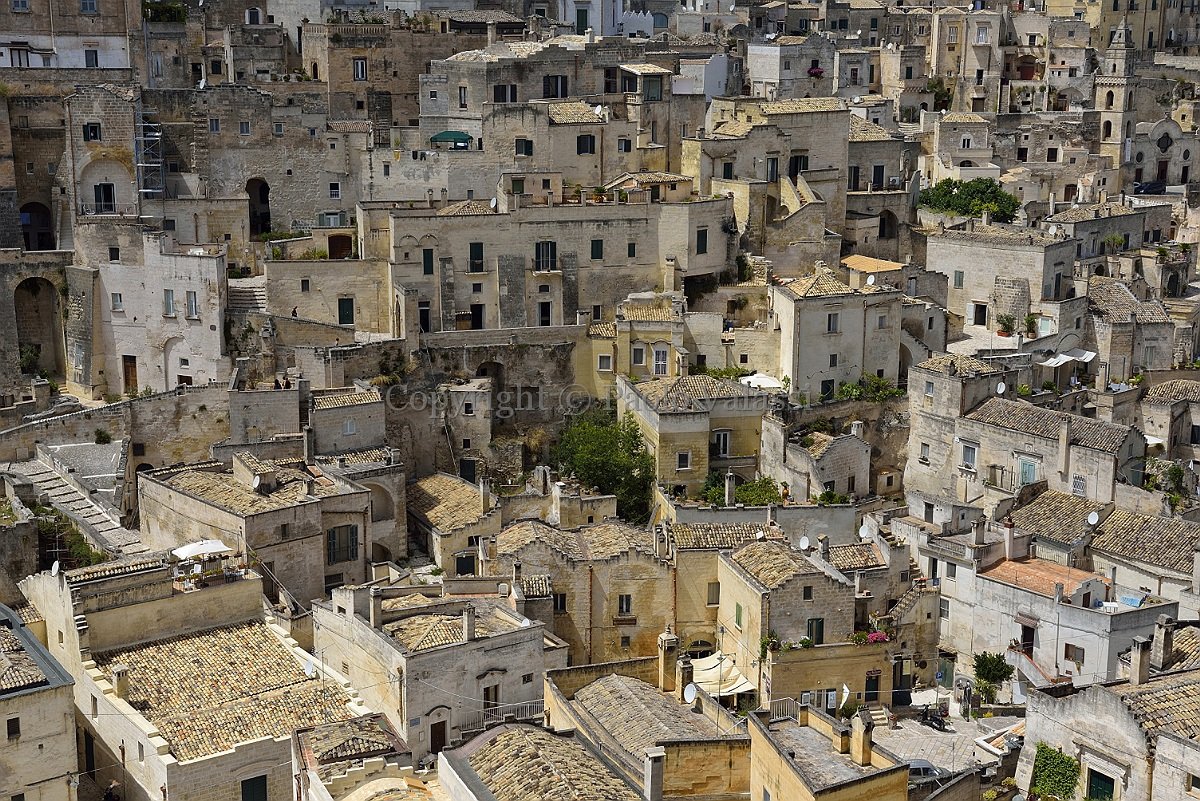
While not a city of skyscrapers, the Sassi di Matera in Italy offer a fascinating anthropological parallel. These ancient cave dwellings, carved into calcarenite rock, resemble a beehive in their communal structure.
Just like industrious bees, the people of Matera lived for millennia in overlapping stone "cells," creating a model of spontaneous urbanism. Despite its density, this layout ensured a durable and harmonious community, now recognized as a UNESCO World Heritage site.